How does torch on membrane waterproofing seal a slab by heat-fusing bitumen sheets to a primed surface?

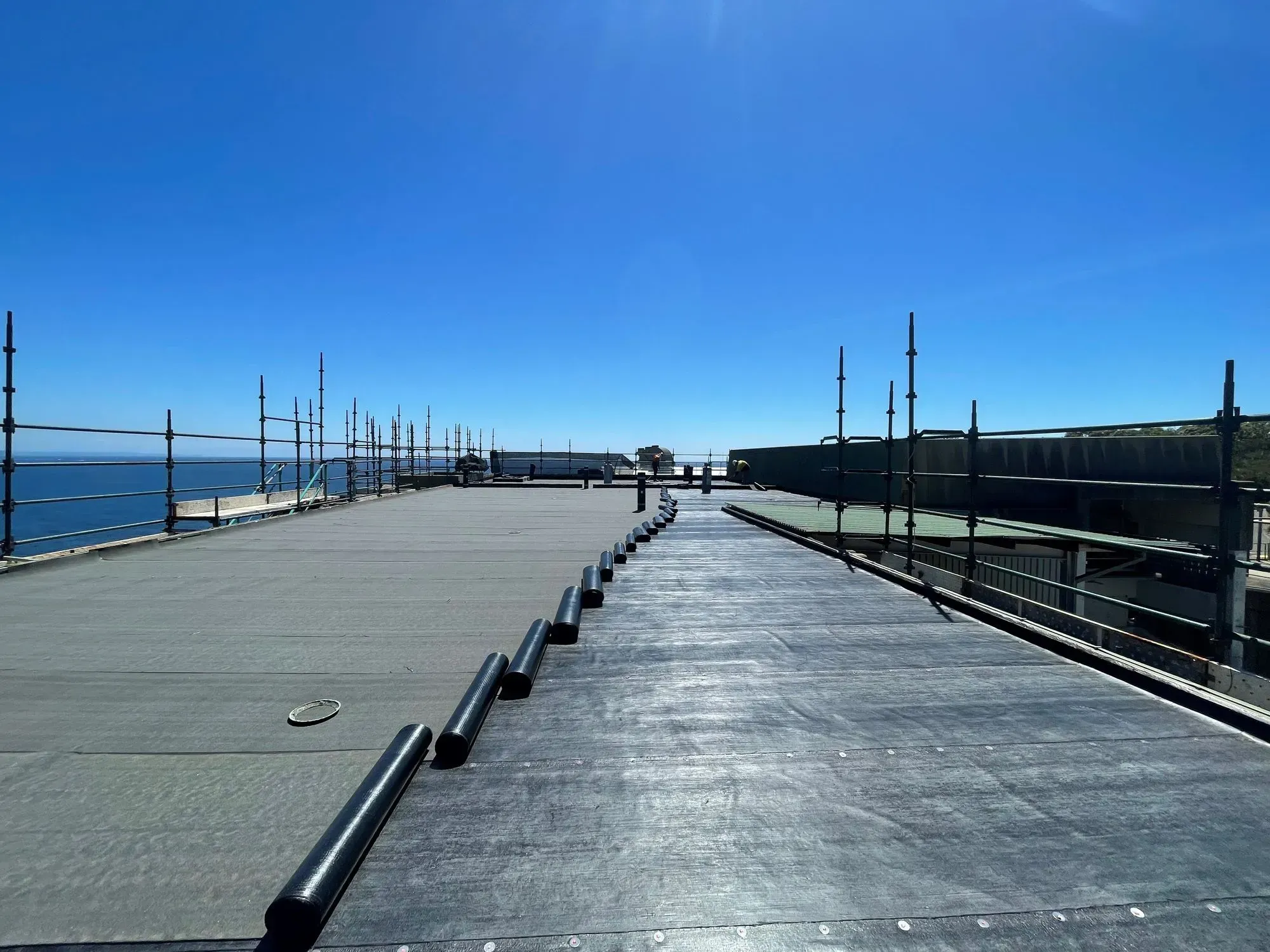
There is water coming through your slab, and someone has suggested that a torch on waterproofing will sort the problem out. In order to better assess whether you are getting sound advice in this matter, it might help if you were aware of how the process works.
The common denominator in all cases is that someone has noticed a wet ceiling, wall or floor. This article is going to take you through the whole process from beginning to end.
What torch on waterproofing actually is
Modified bitumen sheets used for torch-on waterproofing consist of polyester or fibreglass reinforcement which are melted and attached onto the substrate through a controlled flame. Bitumen has been used as a waterproofing membrane in Australia since 1940; the technique is referred to as torch-on. Remseal has been using this method for over 35 years in Sydney.
Why the primed surface matters
The sheet is only as good as the surface it bonds to. The slab must be sound, clean and dry, and any cracks or damage need repair first. A primer is then applied so the melted bitumen grips the concrete instead of sitting on top of it.
Poor preparation is one of the common reasons torch on waterproofing fails, and no amount of careful torching fixes a dirty or damp slab.
How the heat fusion works
A typical installation runs in this order, based on general industry practice.
Step by step on the slab
- Repair the slab, clean it and apply primer.
- Unroll the sheet dry, align it and mark the overlaps.
- Roll the sheet back and heat its underside until the bitumen turns glossy and starts to flow.
- Press the sheet into the surface as it unrolls so the bitumen bonds to the primer.
- Heat and press every overlap so the seams fuse into one layer.
What the fused seal does
Once cooled, the sheets form a continuous barrier with no gaps for water to track through. The bituminous membrane stays flexible enough to follow the normal movement of a structure.
Why installer skill matters
Torching is hot work. The flame must heat the sheet evenly, since too little heat leaves weak bonds and too much damages the membrane. Work on roofs and decks also needs fire risk management. Remseal's page says correct installation is essential to how any torch on system performs.
SBS and APP sheets: choosing the right type
Torch on sheets blend bitumen with polymers, and two types are common. SBS sheets are rubber modified, which gives them flexibility and the ability to bridge cracks. They suit structures that move or face large temperature swings.
APP sheets are plastic modified. They resist UV, heat and ageing, so they are often used on exposed roofs and commercial work.
Remseal says it selects a system suited to the structure and site conditions.
Where a torch on waterproofing membrane works best
Torch on for waterproofing is applicable for flat and slightly pitched surfaces such as flat roofs, balconies, podium decks, planters, retaining walls, and basements. Torch on waterproofing is not suitable for pitched roofs due to the application process of the membrane. According to Remseal, torch on waterproofing is not suitable for all jobs due to structural, substrate, and environmental considerations.
Benefits of torch on waterproofing
The bitumen does not absorb water, and the reinforcement makes each sheet tough. Sheets come in several thicknesses, and mineral finishes let you match the look of the structure. Bitumen is also a non-toxic hydrocarbon that does not generate greenhouse gases, according to Remseal.
How long it lasts and why it fails
Remseal's page says a properly installed and maintained torch on waterproofing system can last as long as 20 to 25 years, and regular inspections can stretch that further. Failures often start somewhere other than the sheet itself. Common causes include:
- Inadequate surface preparation
- Cracked substrates
- Poor detailing around penetrations
- Drainage deficiencies
- Hydrostatic pressure
To replace a membrane without finding out the cause of the failure is to invite the leakage again. Remseal diagnoses the problem first and will conduct leak testing, moisture surveys, drainage studies and structural evaluations before suggesting any repairs.
Why Remseal for torch on waterproofing in Sydney
Remseal brings more than 43 years of waterproofing and remediation experience to residential, commercial, industrial and civil projects across Sydney. The team has used the torch method for around 35 of those years and works on both new buildings and leak repairs.
Remseal offers a leak warranty and guarantee, and says its team follows Australian Standards and industry best practice when installing torch on membranes.
Reviews on the page praise the waterproofing work. Mark Chapman said his basement stayed completely dry through weeks of heavy rain, six months after the job. Another customer had a balcony fixed after eight years of leaking.
Several reviewers name Sam and his team, and one says Sam spent his own time fixing problems that turned out bigger than expected.
Heat, primer and the right diagnosis make torch on waterproofing last
How torch-on waterproofing works - The heat bonds modified bitumen membranes to the prepared surface and to each other. This will work as long as the preparation is done properly and the root cause of the leak is addressed.
Contact Remseal today at 1300 171 091 for torch-on waterproofing quotes or advice, or make an enquiry via the contact form. Operating hours are Monday to Friday 6am to 3pm and Saturday 7am to noon.




Sign in to leave a comment.