

If you've dealt with a stubborn knot in your shoulder, a tight hamstring that never fully loosens, or a deep ache in your lower back that stretching can't fix, you know how much muscle pain can limit your life. For athletes, it can mean lost training time. For everyone else, it can make sitting at a desk, driving, or playing with your kids uncomfortable.
One treatment that has become popular in physical therapy and sports rehab is dry needle therapy. This guide explains what it is, how it works, what conditions it may help, and what to expect, including how it fits into a treatment for sciatica physical therapy plan.
What Is Dry Needle Therapy?
Dry needling is a technique in which a trained clinician inserts very thin, sterile, single-use needles into specific areas of a muscle, usually called trigger points. The word "dry" means nothing is injected. There's no medication or cortisone in the needle, as there would be with an injection.
Trigger points are tight, irritable bands within a muscle that can feel like knots. They may be tender when pressed, may refer pain to other areas, and can limit how well a muscle stretches or contracts. A trigger point in the upper trapezius, for example, can contribute to neck pain and even tension headaches. One in the glutes can cause pain that travels down the leg.
How Does Dry Needling Work?
Researchers are still studying the exact mechanisms, but several explanations are commonly discussed:
- Local twitch response. When the needle reaches an irritable trigger point, the muscle may briefly twitch. This reflex is thought to help the tight band release.
- Improved blood flow. Needling may increase circulation to the area, bringing oxygen and nutrients that support healing.
- Nervous system effects. The needle stimulates nerve endings, which may change how the brain and spinal cord process pain signals and lower muscle guarding.
- Chemical changes. Some studies suggest needling alters the chemical environment in a trigger point, reducing the irritants that keep a muscle tight and sensitive.
The result for many people is reduced pain, a looser muscle, and improved range of motion, often making it easier to move well during rehab exercises.
Is Dry Needling the Same as Acupuncture?
It's a common question. Both use similar thin needles, but they differ in philosophy and purpose. Acupuncture comes from traditional Chinese medicine and aims to balance energy flow along meridians. Dry needling is based on modern anatomy and neurophysiology and targets muscle, fascia, and nerve structures to address pain and movement problems. A physical therapist uses it as one tool within a broader plan, not as a stand-alone cure.
Conditions Dry Needling May Help
Dry needle therapy is used for many musculoskeletal problems, including:
- Neck and shoulder pain
- Tension headaches
- Lower back pain
- Hip and gluteal pain
- Hamstring, quad, and calf tightness or strains
- Tennis elbow and golfer's elbow
- Plantar fasciitis and Achilles tendon irritation
- Shin splints
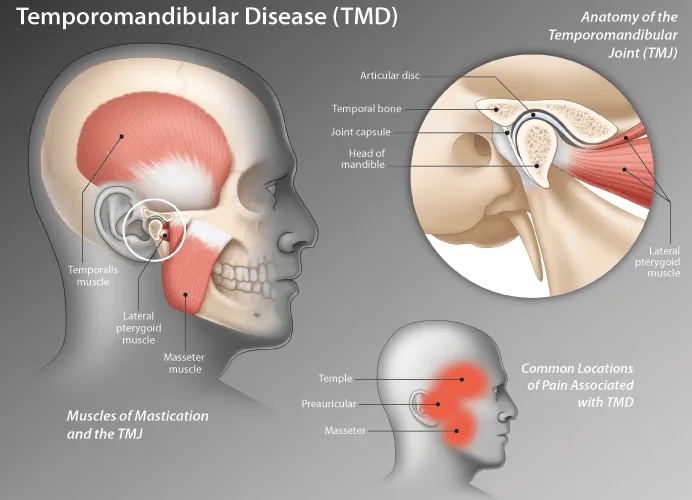
- Jaw and facial muscle tension
- Overuse injuries from running, basketball, baseball, and other sports
Research generally shows dry needling can offer short-term reductions in pain and improvements in mobility, especially when combined with exercise and manual therapy. The evidence for long-term benefit is more mixed, which is exactly why it works best as part of a complete rehab plan rather than a one-off fix.

Dry Needling and Sciatica: What You Should Know
Searches for treatment for sciatica physical therapy are among the most common pain-related searches, and for good reason. Sciatica affects millions of people and can be miserable. It typically feels like pain, tingling, numbness, or burning that starts in the lower back or buttock and travels down the back of the leg, sometimes to the foot.
The word "sciatica" describes a symptom, not a diagnosis. The sciatic nerve is the largest nerve in the body, and its irritation can come from several sources:
- A herniated or bulging disc pressing on a nerve root
- Spinal stenosis (narrowing of the spinal canal)
- Degenerative changes in the spine
- Tight deep hip muscles, such as the piriformis, irritating the nerve (sometimes called piriformis syndrome)
- Trigger points in the glutes, hamstrings, and lumbar muscles that mimic or worsen sciatic pain
This is where an accurate evaluation matters. A good physical therapist will assess your spine, hips, nerve mobility, strength, and movement patterns to determine what's driving your symptoms before choosing treatment.
Where Dry Needling Fits
When muscle tightness and trigger points are contributing to your pain, dry needling can help release the glutes, piriformis, hip rotators, hamstrings, and low back muscles. That can reduce pressure on irritated tissue and ease the pain pattern. Many patients feel looser and move more freely after a session, which creates a window to do the exercises that produce lasting change.
Dry needling isn't a replacement for addressing the root cause. A complete physical therapy treatment for sciatica often includes:
- A thorough assessment to identify the true source of symptoms.
- Manual therapy to improve joint and soft tissue mobility.
- Dry needling for muscle-related contributors.
- Nerve mobility exercises (sometimes called nerve glides) to help the nerve move more freely.
- Core and hip strengthening to support the spine and pelvis.
- Mobility and flexibility work for the hips, hamstrings, and lower back.
- Movement and posture education so the problem doesn't keep coming back.
- Gradual return to activity for sport, work, or daily life.
If you have sciatica with severe or worsening leg weakness, numbness in the groin or saddle area, or loss of bladder or bowel control, seek emergency medical care right away. These can be signs of a serious condition.
What to Expect During a Dry Needling Session
Knowing what happens can ease any nervousness.
Evaluation first. Your therapist reviews your history, examines your movement and strength, and identifies the muscles involved. Dry needling is only used if it's appropriate for you.
Consent and preparation. The therapist explains the procedure, answers your questions, and cleans the treatment area.
The needling itself. Very thin needles are placed into targeted muscles. Many people feel only a tiny prick or nothing at all on insertion. When a trigger point releases, you may feel a brief muscle twitch, a deep ache, or a cramping sensation. It's uncomfortable for a moment, then usually fades quickly.
Movement and follow-up work. Treatment often includes stretching, exercises, or manual therapy right after needling to build on the improved mobility.
A typical needling portion lasts anywhere from a few minutes to around fifteen minutes, depending on how many areas are treated.
Possible Side Effects
Dry needling is generally considered safe when performed by a properly trained clinician, but some effects are common and normal:
- Muscle soreness for 24 to 48 hours, often like a hard workout
- Mild bruising at the needle sites
- Temporary tiredness or lightheadedness
- Brief bleeding at a site
Serious complications are rare, but they can happen, such as accidental puncture of the lung when needling near the chest and upper back. This is why training and technique matter. Always make sure your provider is qualified and follows proper sterile procedures.
Dry needling may not be appropriate if you have a needle phobia, a bleeding disorder, an active infection, or are taking blood thinners, and extra caution applies during pregnancy or if you have lymphedema. Tell your therapist about your full medical history and medications before treatment.

After Your Session: Getting the Most Benefit
To support your results:
- Stay hydrated. Water supports muscle recovery.
- Keep moving gently. Light walking and mobility work usually feel better than total rest.
- Use heat if sore. A warm shower or heat pack can ease post-treatment soreness.
- Avoid very intense training for the rest of the day unless your therapist says otherwise.
- Do your home exercises. The relief from needling is a chance to strengthen and retrain the area. Skipping this step is the most common reason pain returns.
How Many Sessions Will You Need?
It depends on your condition, how long you've had it, and how your body responds. Some people feel meaningful change in one to three visits, while chronic or complex problems may need more. Your therapist should reassess you regularly and adjust the plan based on your progress, not simply keep repeating the same treatment.
Dry Needling for Athletes
Athletes put their muscles under repeated stress, which makes trigger points and tightness common. Dry needling can help athletes manage tight hips, hamstrings, calves, shoulders, and low back muscles, often speeding the return to training. Combined with strength work, mobility training, and sport-specific conditioning, it can support recovery and help reduce the chance of repeat problems.
At Elite Sports & Performance Academy in Madison, Alabama, our approach connects rehab with performance, so the goal isn't just feeling better but moving, training, and competing better.
Is Dry Needle Therapy Right for You?
Dry needle therapy can be a valuable tool for muscle pain and tension, whether it comes from sport, work, injury, or an aching back and leg. It works best when it's part of a complete plan built on a clear diagnosis, hands-on care, and the right exercises.
If you're struggling with persistent muscle pain, tightness, or sciatica-type symptoms, the first step is getting evaluated to find out what's actually causing the problem.





















Sign in to leave a comment.