

Vacuum systems are essential in many industrial processes where air, gases, moisture, or vapors need to be removed from a controlled environment. Manufacturing, packaging, chemical processing, electronics, pharmaceuticals, food processing, and material handling operations all depend on reliable vacuum equipment to maintain consistent production conditions. The performance of the vacuum pump directly influences process efficiency, product quality, energy consumption, and equipment reliability.
Traditional oil-lubricated vacuum pumps are suitable for many applications, but certain processes require a cleaner pumping environment where oil contamination must be minimized. Dry vacuum technology provides an alternative by eliminating the need for lubricating oil inside the pumping chamber. This makes dry systems particularly useful for applications where clean vacuum conditions and reduced contamination are important.
What Is a Dry Rotary Vane Vacuum Pump?
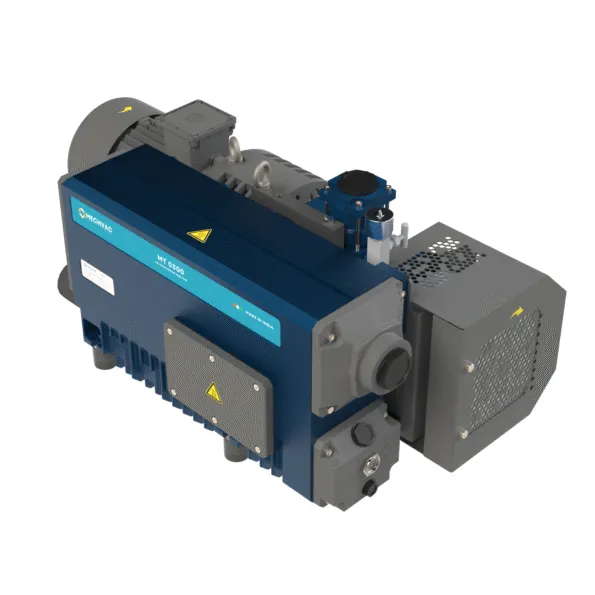
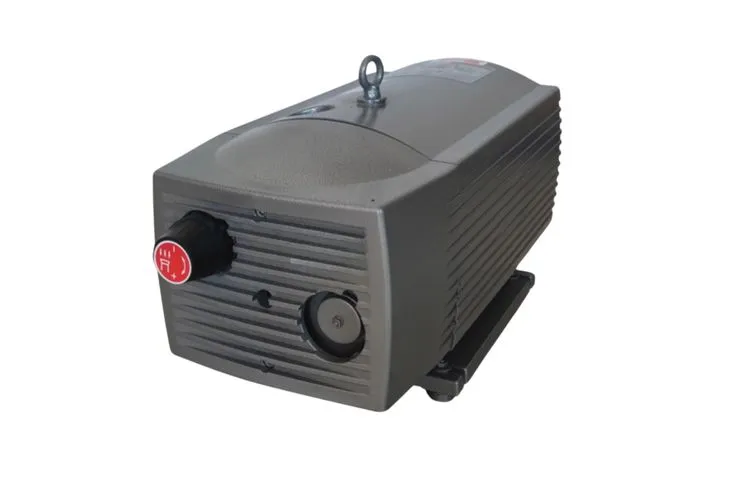
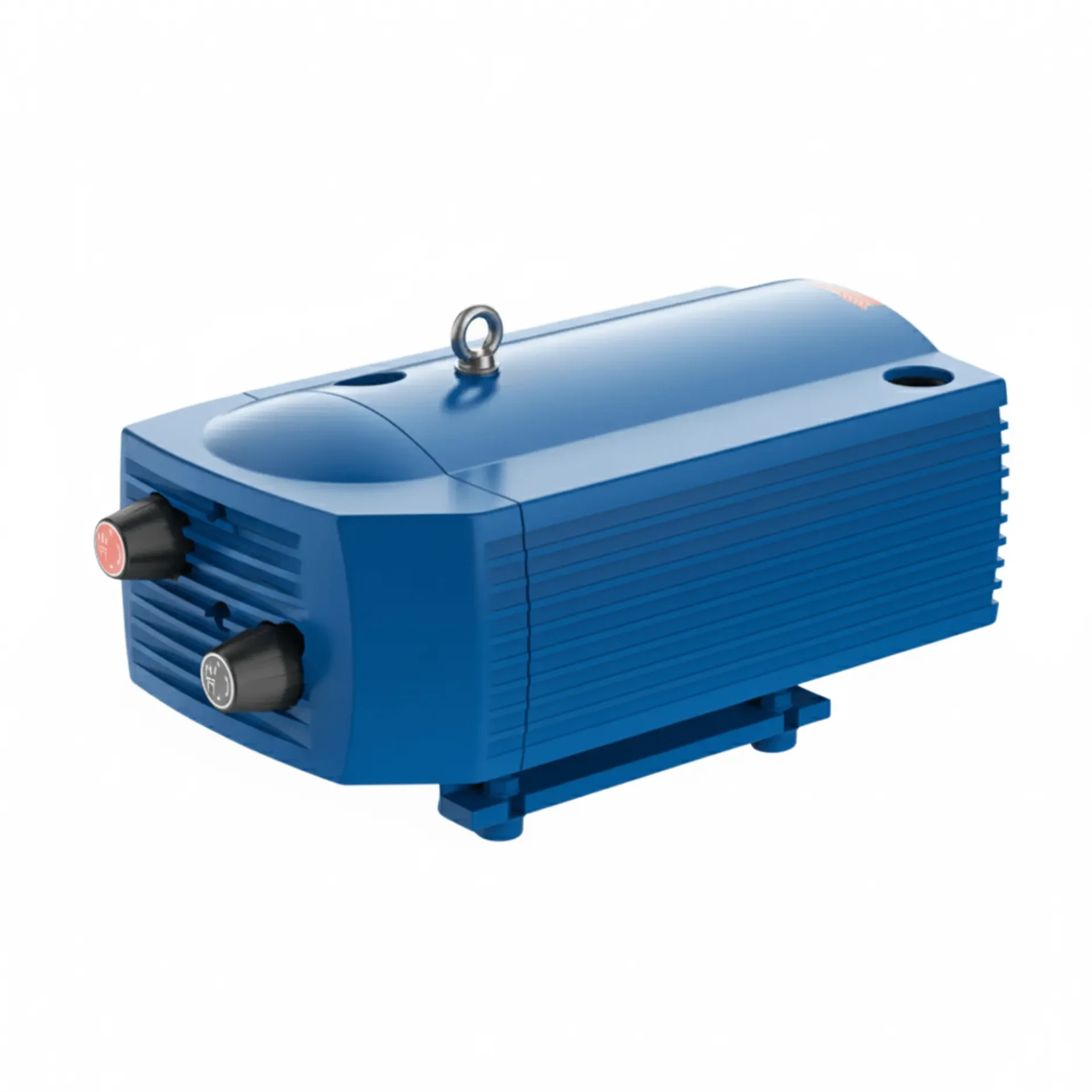
A dry rotary vane vacuum pump is a positive-displacement vacuum device designed to remove gases from an enclosed system without using oil as the primary sealing or lubrication medium inside the pumping chamber. It uses a rotating rotor fitted with sliding vanes to progressively trap, compress, and discharge gas.
The rotor is positioned eccentrically inside the pump housing. As it rotates, the vanes move against the inner surface of the chamber, creating variable-volume spaces. Gas enters through the inlet, becomes trapped between the vanes, and is compressed as the chamber volume decreases. The compressed gas is then discharged from the pump.
Because the pumping chamber operates without conventional oil, the technology can be advantageous for processes where oil vapor or contamination could affect the final product.
How Does Dry Rotary Vane Technology Work?
The operating principle is based on continuous positive displacement.
Gas Intake
The rotating rotor creates an expanding volume near the inlet. This lower-pressure region draws gas from the connected vacuum chamber or process equipment.
Gas Trapping
As the rotor continues to rotate, the sliding vanes isolate a specific quantity of gas between them. The trapped gas moves toward the discharge side of the pump.
Compression
The available volume decreases as the trapped gas moves through the chamber. This increases gas pressure and prepares it for discharge.
Gas Discharge
Once the compressed gas reaches the outlet, it is released from the pumping chamber. Continuous rotor movement repeats this cycle, allowing the pump to maintain vacuum conditions.
The effectiveness of this process depends on the pump design, vane construction, operating speed, gas load, and condition of the internal components.
Oil-Free Vacuum Operation
One of the most important advantages of dry technology is the absence of conventional oil inside the pumping chamber. This can significantly reduce the risk of oil contamination entering the process environment.
This characteristic is valuable for applications involving sensitive products, clean manufacturing environments, or processes where even small amounts of oil vapor could create quality concerns.
Industries can therefore use dry vacuum equipment when maintaining a cleaner process environment is a priority.
Reduced Risk of Product Contamination
Manufacturing processes involving food, pharmaceuticals, electronics, and specialized materials often require strict contamination control. Oil vapor from conventional pumps can become undesirable in certain applications.
Dry vacuum equipment eliminates the need for oil in the pumping chamber, helping reduce this particular source of contamination. This does not automatically make every dry pump suitable for every clean application, but it can provide an important advantage where oil-free operation is required.
Proper filtration, system cleanliness, and suitable materials should still be considered when designing a complete vacuum system.
Lower Maintenance Requirements
Maintenance requirements vary according to pump design and operating conditions, but dry systems can eliminate routine oil changes associated with oil-lubricated pumps.
This can simplify certain maintenance procedures and reduce the handling and disposal of used pump oil. Operators can instead focus on inspecting vanes, filters, seals, bearings, and other components according to the equipment manufacturer's maintenance schedule.
Regular inspection remains important because dry operation does not mean maintenance-free operation.
Suitable for Clean Manufacturing Processes
Clean manufacturing is becoming increasingly important across many industries. Processes involving electronic components, laboratory equipment, packaging, pharmaceuticals, and specialized materials can benefit from vacuum systems designed to minimize contamination.
Dry technology can support these requirements by generating vacuum without introducing conventional lubricating oil into the pumping chamber.
The final suitability of a pump should always be determined by evaluating the actual process gases, temperature, moisture content, required vacuum level, and contamination sensitivity.
Improved Process Reliability
Consistent vacuum conditions are essential for many industrial processes. Variations in pressure can affect production cycles, material quality, drying times, and equipment performance.
A properly selected dry pump can provide stable vacuum generation for suitable applications. When combined with properly sized piping, effective filtration, leak prevention, and suitable control systems, it can contribute to reliable overall vacuum operation.
Process monitoring can further help operators identify changes in vacuum performance before they result in production problems.
Applications in Packaging
Vacuum packaging systems remove air from packages before sealing. This can help protect products and improve packaging consistency.
Dry pumps can be particularly useful in packaging applications where oil-free operation is preferred. They can support repeated evacuation cycles and can be integrated into automated packaging machinery.
Pump capacity should be selected according to chamber size, packaging cycle time, leakage, and required evacuation speed.
Applications in Electronics Manufacturing
Electronics manufacturing often requires controlled and clean production conditions. Vacuum systems may be used for component processing, handling, drying, coating, and other specialized operations.
Oil-free vacuum technology can help reduce the possibility of oil-related contamination in processes where sensitive components are involved.
However, electronics applications can have specific requirements for ultimate pressure, cleanliness, and chemical resistance, so pump selection should be based on the complete process specification.
Use in Pharmaceutical and Laboratory Processes
Pharmaceutical and laboratory operations frequently require controlled vacuum conditions for drying, filtration, concentration, and other processes.
A dry vacuum system can be useful where process cleanliness is important. It can reduce concerns associated with oil contamination and may simplify certain maintenance activities.
The process gas composition should be evaluated carefully because solvents, aggressive vapors, and condensable materials can affect dry pump performance.
Dry Vacuum Pump Applications in Industrial Processes
Dry vacuum pump applications cover a broad range of manufacturing and processing activities. Common examples include vacuum forming, packaging, degassing, material handling, drying, filtration, and specialized production equipment.
The technology can be particularly beneficial when processes require a clean vacuum environment or when oil contamination needs to be avoided.
Before selecting a pump, engineers should evaluate pumping speed, operating pressure, gas composition, moisture load, operating temperature, and duty cycle.
Energy Efficiency Considerations
Energy efficiency is an important factor in industrial vacuum systems because pumps may operate continuously for long production periods. An incorrectly sized pump can consume unnecessary energy or operate inefficiently.
The best approach is to match the pump's capacity to the actual process requirements. Vacuum demand should be evaluated under normal operating conditions rather than selecting equipment based only on its maximum specifications.
Proper system design can also improve efficiency. Minimizing leaks, optimizing piping, using appropriate valves, and controlling pump operation according to demand can reduce unnecessary energy consumption.
Importance of Proper Pump Sizing
Correct sizing is essential for achieving reliable performance. A pump that is too small may take excessive time to achieve the required vacuum level, while an oversized pump may consume more energy than necessary.
Important factors include:
- Required vacuum level
- Chamber volume
- Pumping speed
- Gas load
- Process cycle time
- Moisture and vapor content
- Operating temperature
- Continuous or intermittent operation
- Required cleanliness
Understanding these factors allows engineers to select equipment that matches the actual process rather than relying on general specifications.
Maintenance and Operating Best Practices
Although dry pumps eliminate conventional oil changes, regular maintenance remains necessary. Vanes and other moving components experience mechanical wear and should be inspected according to operating hours and manufacturer recommendations.
Filters should be kept clean to prevent excessive resistance at the inlet. Process vapors and particles should also be managed because contaminants can affect pump performance.
Operators should monitor vacuum pressure, operating temperature, vibration, noise, and pumping performance. Sudden changes may indicate a leak, worn component, blocked filter, or other issue requiring attention.
Selecting a Reliable Vacuum Equipment Supplier
Choosing the right supplier can be as important as selecting the pump itself. An experienced supplier should understand different vacuum technologies and be able to evaluate the requirements of specific industrial processes.
Technical assistance with pump sizing, system configuration, installation, and maintenance can help reduce operational problems. Product availability and access to replacement components are also important considerations for long-term reliability.
Varun Engineering offers industrial vacuum equipment solutions for applications requiring dependable vacuum performance and suitable process configurations. Selecting equipment with appropriate technical support can help industries achieve consistent operation throughout the equipment's service life.
Future Trends in Dry Vacuum Technology
Industrial vacuum systems are increasingly being integrated with automation, monitoring, and energy-management technologies. Sensors can monitor pressure, temperature, vibration, and other operating parameters to provide better visibility into equipment performance.
Predictive maintenance can also help identify gradual changes before they result in unexpected downtime. As manufacturers continue to focus on cleaner production and lower operating costs, dry vacuum technology is likely to remain important for applications where oil-free operation is beneficial.
Conclusion
Dry vacuum technology provides an effective solution for industrial processes where clean operation, reduced contamination, and dependable vacuum generation are important. Its oil-free pumping environment makes it suitable for selected applications in packaging, electronics, pharmaceuticals, manufacturing, material handling, and other industries.
Successful implementation depends on selecting the appropriate pump capacity, vacuum level, materials, and configuration for the process. Proper installation, filtration, monitoring, and maintenance are equally important. When these factors are addressed correctly, dry vacuum systems can support reliable production, cleaner processes, and efficient industrial operations.





















Sign in to leave a comment.