

The early years of a child’s life are filled with growth, discovery, and learning. During this important stage, children begin building communication skills, emotional understanding, creativity, and confidence that can influence their future success. At First Idea Family Day Care, many parents searching for trusted child care Eumemmerring services look for a nurturing environment where children can feel safe, supported, and encouraged to learn through meaningful experiences. A positive early learning journey can help children develop strong social, emotional, and intellectual foundations that continue throughout life.
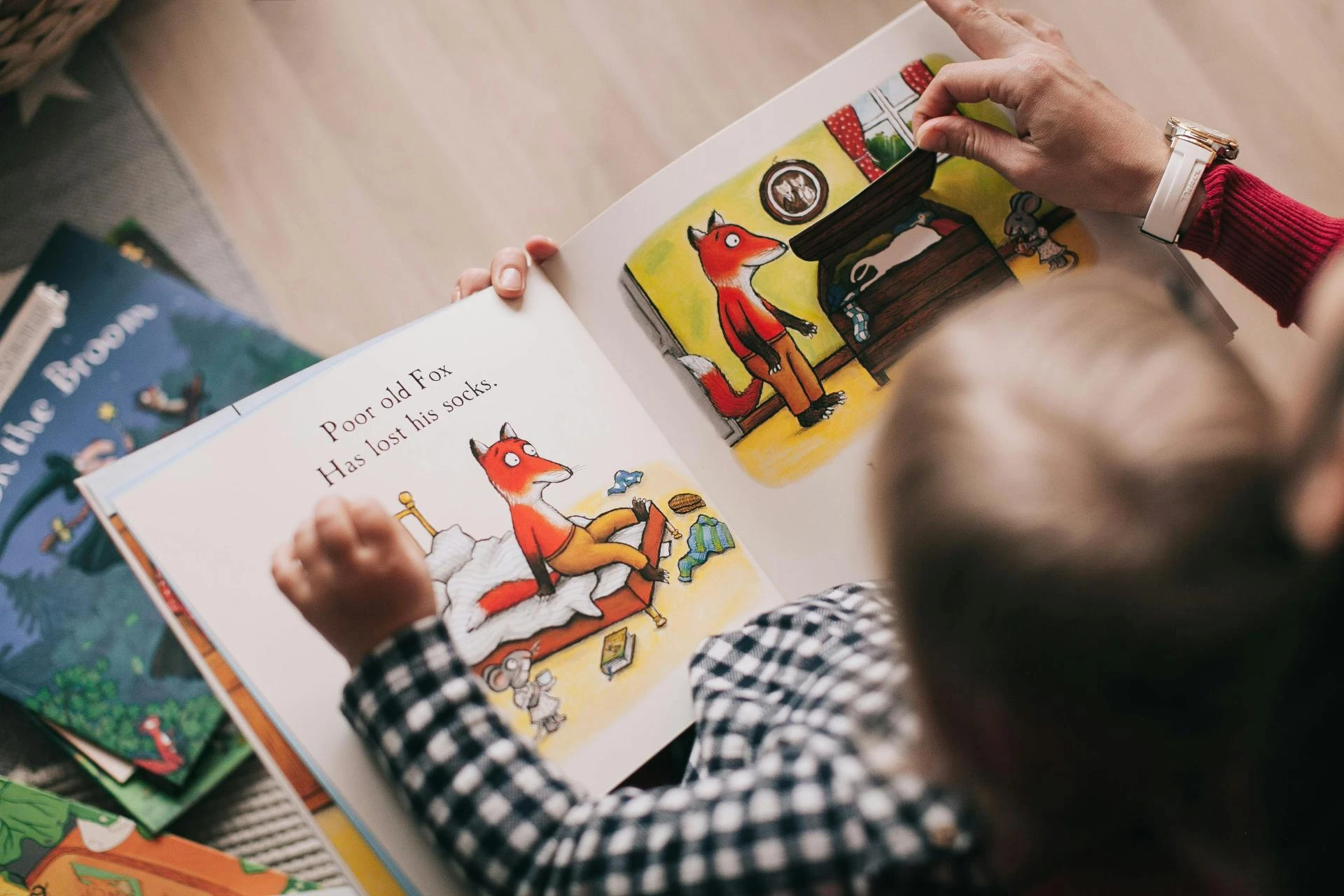
Early childhood education is much more than providing supervision during the day. It focuses on creating opportunities for children to learn through play, creativity, interaction, and exploration. Activities such as storytelling, music, sensory experiences, painting, imaginative games, and puzzles encourage children to improve communication, creativity, and problem-solving abilities. These engaging experiences also help children develop curiosity and a love for learning from an early age.
Creating a Safe and Positive Learning Environment
Children learn best when they feel emotionally secure and comfortable in their surroundings. A warm and welcoming environment helps children settle confidently into routines and participate actively in activities. Feeling safe also allows children to express emotions freely while building healthy relationships with educators and peers.
Consistency is another important part of early childhood learning. Daily routines that include meals, educational activities, outdoor play, and quiet time provide children with structure and stability. Predictable schedules help children understand expectations and feel more organised throughout the day.
Educators also play an important role in supporting emotional wellbeing. Through patience, encouragement, and positive reinforcement, they help children build self-confidence and independence. Small achievements such as participating in a group activity or completing a creative project can motivate children to continue exploring and learning with confidence.
Learning Through Play and Exploration
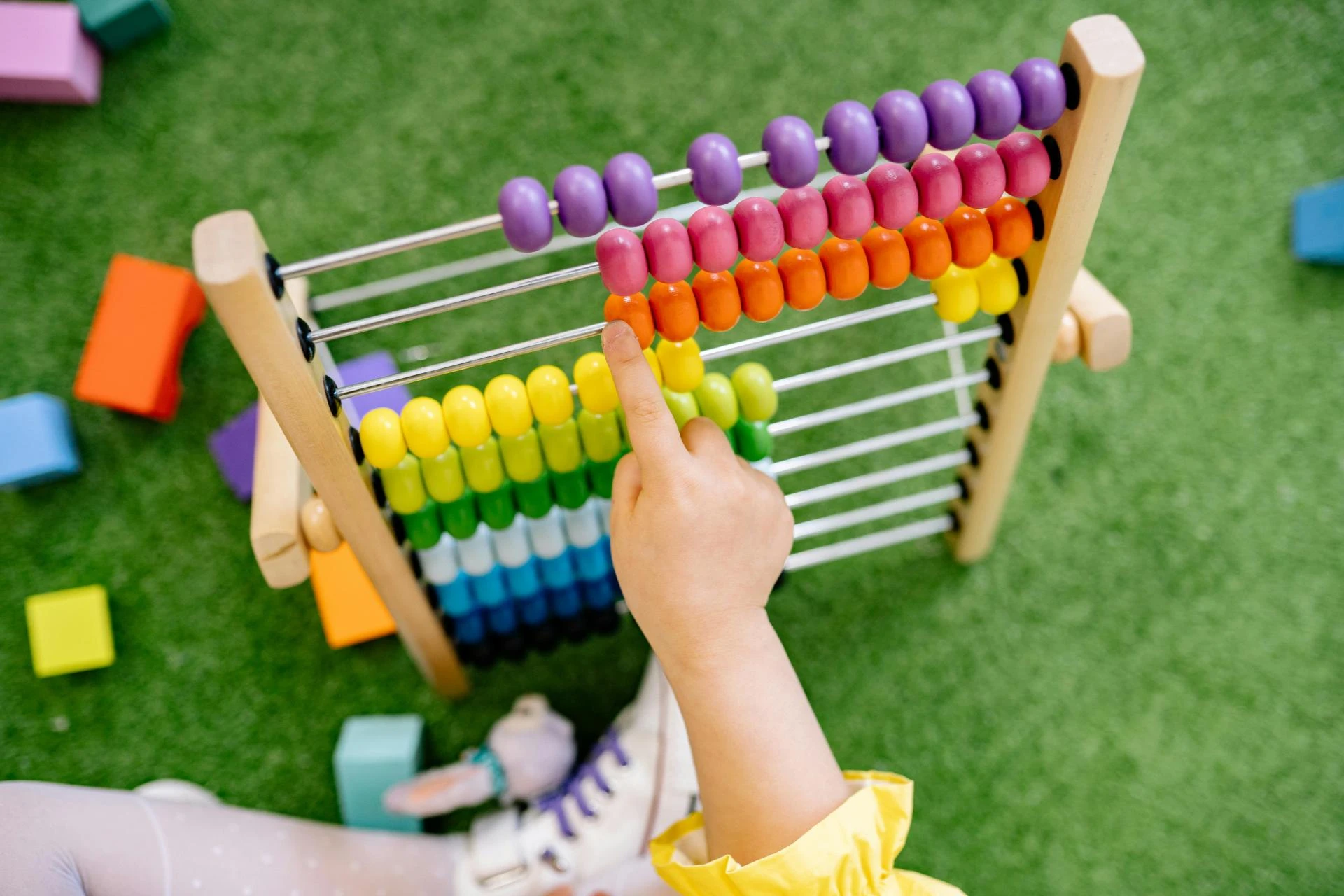
Play-based learning is recognised as one of the most effective approaches to early childhood development. Children naturally learn through imagination, interaction, and exploration. Activities such as puzzles, building blocks, role-playing games, and arts and crafts help children strengthen communication, creativity, and critical thinking skills.
Outdoor play is equally valuable for physical and emotional growth. Running, climbing, balancing, and participating in group activities help children improve coordination and motor skills. Outdoor experiences also encourage teamwork, cooperation, and sharing with others.
Children who are encouraged to learn through play often become more curious and motivated learners. They develop stronger communication skills and become more willing to express ideas, ask questions, and participate in activities that challenge their imagination. These positive habits can continue throughout their educational journey.
Supporting Emotional and Social Development
Early learning environments provide children with opportunities to develop important emotional and social skills. Spending time with peers teaches children how to communicate respectfully, cooperate with others, and form healthy friendships. These experiences help children feel more comfortable and confident in social settings.
Children also begin learning how to recognise and manage emotions appropriately. Educators guide children through everyday situations and help them understand empathy, patience, and problem-solving. Emotional support during the early years helps children become more resilient and confident when facing challenges.
Positive social experiences can also strengthen self-esteem. When children feel included and encouraged, they become more comfortable expressing themselves and participating actively in learning activities.
Encouraging Individual Growth and Learning
Every child is unique and develops at their own pace. Some children may enjoy storytelling and creative arts, while others may prefer active games or hands-on learning experiences. Understanding these differences allows educators to create activities that support each child’s strengths and interests.
Smaller learning environments often provide more personalised attention. Educators can observe children closely, identify areas where support may be needed, and encourage them to build confidence in their abilities. Personalised care helps children feel valued and understood throughout their learning journey.
Strong communication between educators and families is also important for supporting children’s development. Regular updates about routines, milestones, and daily experiences help parents stay connected with their child’s progress. This partnership creates consistency between home and learning environments, supporting emotional wellbeing and confidence.
Many families searching for reliable day care Eumemmerring services often prefer providers who focus not only on educational preparation but also on emotional and social growth. A balanced learning environment helps children build important life skills while feeling secure and encouraged.
Preparing Children for Future Education
A quality early learning environment helps children prepare for kindergarten and primary school in a positive and supportive way. Through engaging activities, children begin developing early literacy and numeracy awareness while enjoying the learning process.
Story sessions, counting games, music activities, and group discussions introduce important concepts in a fun and age-appropriate manner. Children also develop practical life skills such as listening carefully, following instructions, participating in routines, and working cooperatively with others.
Children who experience positive early learning environments often transition into school more confidently. They adapt more easily to classroom routines, communicate effectively with teachers and peers, and participate actively in group learning activities.
Early childhood education also supports emotional resilience and independence. Children learn how to solve simple problems, make decisions, and build healthy relationships with others. These skills continue to benefit them throughout life.
Building Confidence and Independence
Confidence is one of the most valuable qualities children can develop during their early years. A supportive environment encourages children to explore new activities, express ideas freely, and make decisions independently.
Simple responsibilities such as helping tidy up, participating in group activities, or assisting during routines help children develop independence and responsibility. Positive reinforcement from educators motivates children to continue learning and exploring without fear of making mistakes.
Children who feel emotionally secure are also more likely to develop strong social skills. They learn how to cooperate with others, communicate respectfully, and form meaningful friendships that support emotional wellbeing.
Creating a Strong Foundation for the Future
The experiences children have during their early years can influence their future confidence, emotional wellbeing, and learning habits. A nurturing and engaging environment helps children become curious, resilient, and motivated learners.
Families considering options such as family day care Berwick often seek providers who focus on the complete development of the child. A quality early learning setting should support emotional, social, physical, and intellectual growth equally.
Choosing the right early childhood education provider is one of the most meaningful decisions parents can make. With the right care, support, and encouragement, children can develop the confidence and abilities needed to thrive in school and beyond. A strong start during the early years creates a lasting foundation for future success, happiness, and lifelong learning.






















Sign in to leave a comment.