
Every parent asks some version of the same question: Is my child getting what they need right now to thrive later? The first five years answer that question more than any stage that follows, because a child's brain grows faster than at any other point in life. That's the real job of an early learning school, turning ordinary moments like snack time, story time, and outdoor play into the building blocks of lasting development.
This guide explains what early learning actually does, how that support changes from infancy through preschool, and what to look for when comparing programs in Gardner, KS.
What Is an Early Learning School?
It is a licensed program built around children from infancy through age five, with a curriculum designed around how young children actually develop, not just a place to fill the hours until pickup.
Early Learning School vs. Daycare
Accrediting bodies like Cognia define an early learning school as a program serving children from birth through age five, distinct from a K-12 school with a preschool wing attached.
| Daycare | Early Learning School | |
| Main focus | Supervision | Developmental milestones |
| Led by | Caregivers | Trained teachers |
| Structure | Flexible | Defined learning goals by age group |
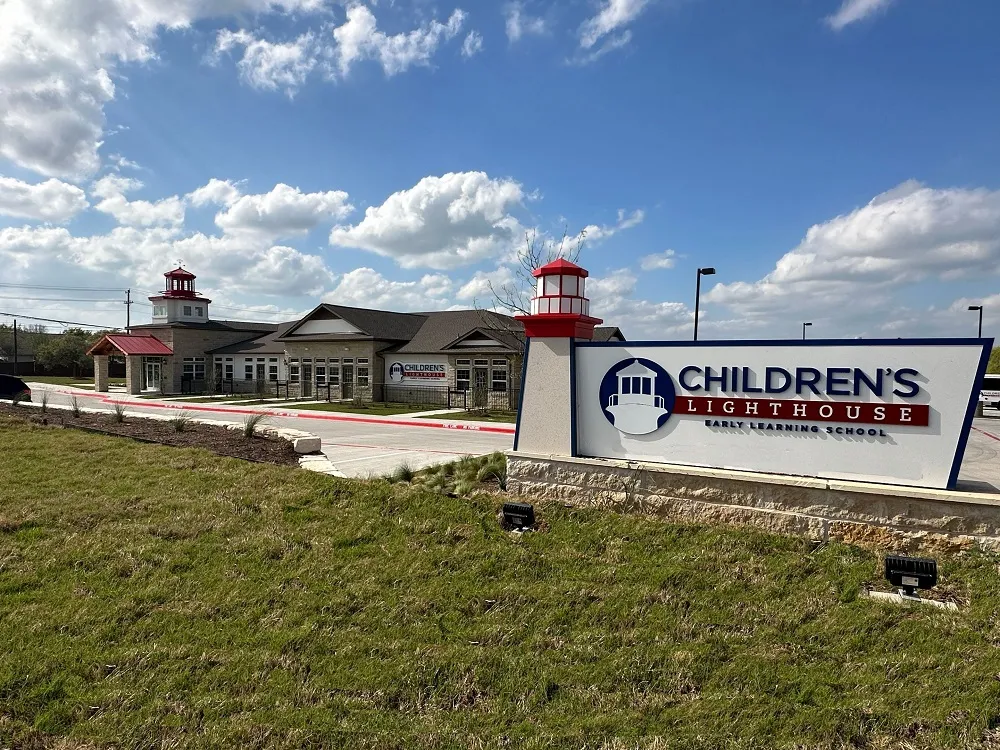
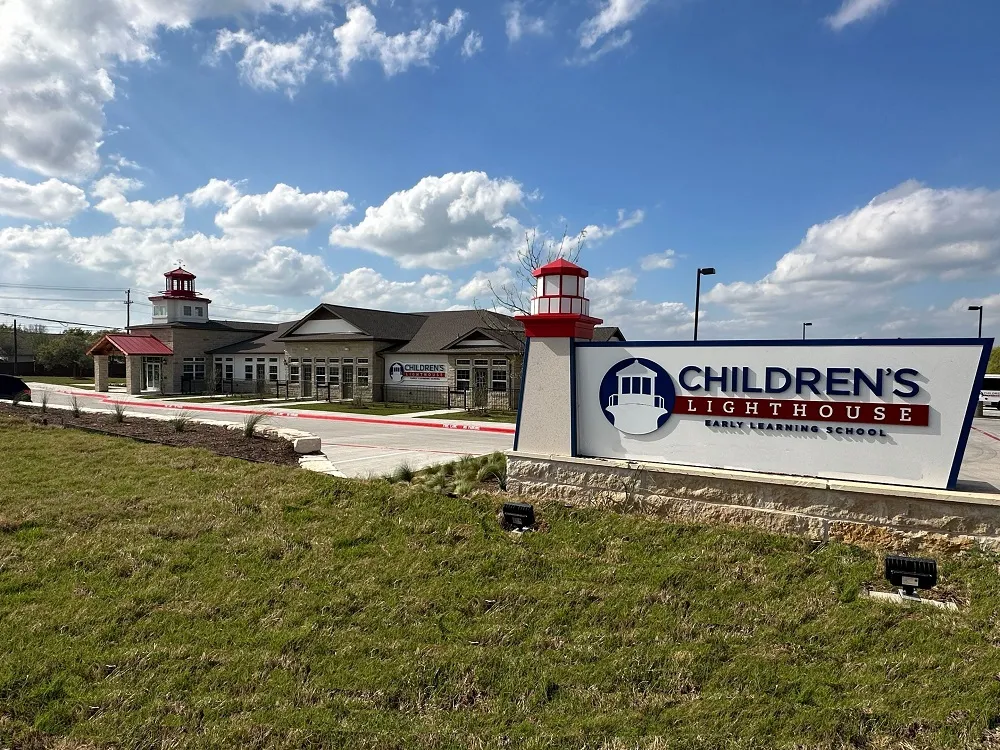
Children's Lighthouse of Gardner reflects that structure directly. The school welcomes children as young as 6 weeks old through age 12, with dedicated infant, toddler, preschool, and school-age classrooms, each running its own age-specific curriculum rather than one generic program stretched across every age.
Early Learning School Programs at a Glance
Here's how the two core early learning stages typically break down:
| Program | Typical Ages | Curriculum Focus |
| Infant & Toddler | 6 weeks – 24 months | Brain development, responsive care, language-rich interaction |
| Preschool | 2 – 5 years | Character values, hands-on exploration, school-readiness skills |
How Early Learning Supports Infant Development
For infants, its main job is building the foundation of a healthy brain through responsive, consistent care.
By around age five, a child's brain has grown to roughly 90 percent of its adult size, according to the CDC, and that growth happens fastest in the earliest years. Talking, singing, and reading to infants, paired with steady, familiar caregivers, feed directly into that window. This is why quality infant programs run on structured frameworks rather than simply keeping babies fed and safe. Children's Lighthouse of Gardner is infant curriculum, for example, focuses on brain development, research-based activities, and generous one-on-one language time for every child.
If you ever have concerns about your child's developmental pace, your pediatrician is still the best first call. An early learning school supports that guidance; it doesn't replace it.
How Early Learning Schools Support Toddler and Preschool Growth
Between ages two and five, a good early learning school shifts from responsive caregiving toward guided, hands-on exploration. By preschool age, a well-rounded curriculum typically builds:
- Early language, self-regulation, and social skills, largely through play
- Character values, like kindness, patience, and responsibility, woven into everyday activities instead of taught as separate lessons
- School-readiness skills through outdoor time, sensory schools, and small-group projects, long before a worksheet enters the picture
Children's Lighthouse of Gardner preschool program, for instance, pairs character-building lessons with hands-on learning and outdoor exploration built around exercise, experimentation, and discovery.
The National Association for the Education of Young Children (NAEYC), a widely recognized voice in this field, emphasizes that quality programs support social, emotional, physical, and language development together, not academics in isolation.
Why Accreditation and Consistency Matter
Accreditation and steady staffing are two of the clearest signs that an early learning school delivers on what it promises.
Accreditation from an organization like Cognia means an outside evaluator has independently reviewed a school's curriculum, safety practices, and staff qualifications against research-based standards, rather than taking the school's word for it. Consistency matters just as much; children tend to build stronger emotional stability and self-regulation with steady caregivers, classrooms, and routines rather than frequent changes. When comparing schools, ask directly about staff turnover and how long teachers typically stay in one classroom.
Choosing an Early Learning School in Gardner, KS
Families across Gardner, Olathe, Edgerton, and the wider Johnson County area have more early learning options today than ever, so knowing what to prioritize matters even more.
Beyond curriculum, a few practical details are worth checking:
- Hours that fit a real work schedule
- Secure entry and video monitoring
- Age-appropriate outdoor space
- A director who's easy to reach
Children's Lighthouse of Gardner checks each box: it's open 6:30 a.m. to 6:00 p.m., with real-time video monitoring, secure keypad entry, and more than 25 years of family ownership. Touring in person, not just browsing photos online, is still the most reliable way to judge fit.
Expert Tips
- Ask about ratios for the specific classroom your child would join, not just the school's overall average; infant ratios are typically tighter than preschool ratios.
- Ask how teachers document your child's day. Specific, individual notes are a better sign than a generic template.
- Watch how staff talk with toddlers during transitions like naptime or cleanup. Calm, respectful redirection reflects real training.
- Ask what happens when a lead teacher is out. Strong programs have a real backup plan, not just "someone covers."
Common Mistakes to Avoid
- Choosing a program based on price or drive time alone, without checking licensing or accreditation.
- Skipping the in-person tour and relying only on a website or photos.
- Assuming every "preschool" and "daycare" offers the same depth of curriculum.
- Waiting until close to your target start date to apply; infant spots especially fill quickly in growing areas.
Conclusion
Choosing an early learning school is one of the bigger decisions a young family makes, but it doesn't have to be complicated. Focus on accreditation, ratios, curriculum, and consistency, and the right fit becomes clear fairly quickly. Families in Gardner, Olathe, Edgerton, and across Johnson County are welcome to tour Children's Lighthouse of Gardner classrooms in person and see the Lighthouse Pathways approach at work firsthand. Schedule a tour today and take the next step toward your child's bright future.
Frequently Asked Questions
1. At what age can my child start learning?
Many programs, including Children's Lighthouse of Gardner, accept infants as young as 6 weeks old, with classrooms through age 5 and school-age care beyond that.
2. How does early learning support brain development?
The first five years bring the brain's fastest growth, so responsive caregiving and language-rich interaction during this window matter significantly, according to CDC research.
4. Is my child too young for structured learning?
No stage is too early. Infant programs focus on sensory and language development, gradually building toward guided exploration by the preschool years.
5. What does accreditation actually verify?
Accreditation from organizations like Cognia independently evaluates a school's curriculum, safety standards, and staff qualifications against research-based benchmarks.
6. How much does it cost?
Costs vary by age, program, and location. Contact your local school directly, such as Children's Lighthouse of Gardner, for current tuition and available options.
7. What should I ask when touring an early learning school?
Ask about ratios, staff turnover, how curriculum shifts by age, and how the school communicates with parents day to day.
8. Does Children's Lighthouse of Gardner serve infants and preschoolers?
Yes. Children's Lighthouse of Gardner offers dedicated classrooms for infants (6 weeks and up), toddlers, and preschoolers (ages 2–5), each guided by an age-specific curriculum.















Sign in to leave a comment.