

Financial markets rarely move for just one reason. Currency prices can react to central bank decisions, economic data, and changes in investor expectations, while precious metals may respond to interest rates, currency movements, and broader market sentiment.
For traders who follow the forex trading market, understanding these connections can provide useful context when analysing price movements. The same applies to traders interested in silver, where economic developments can influence both short-term volatility and longer-term market expectations.
Why Economic Data Matters to Currency Traders
Forex prices reflect the relative value of one currency against another. When expectations about a country's economy change, traders may reassess the value of its currency.
Interest-rate decisions are particularly important. Central banks use monetary policy to influence economic conditions, and changes in interest-rate expectations can affect currency demand.
Economic releases can also create short-term volatility. Employment figures, inflation data, gross domestic product reports, and central bank statements are among the information traders may monitor.
However, the market does not always react in a simple way.
Suppose economic data comes in stronger than expected. A currency could strengthen if traders interpret the result as a reason for tighter monetary policy. Yet if the market had already anticipated a strong result, the price reaction could be smaller than expected.
That is why traders often compare the actual release with market expectations rather than looking at the number in isolation.
How Silver Responds to Broader Market Conditions
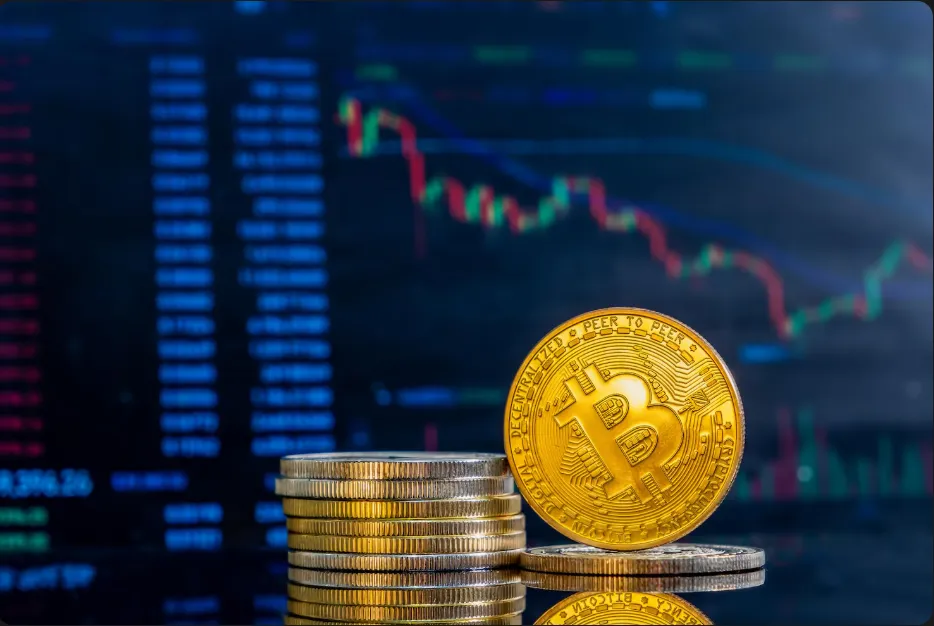
Silver has a different role in financial markets. It is a precious metal, but it also has industrial uses. Its price can therefore respond to monetary conditions as well as expectations for industrial demand.
For traders exploring silver online trading, this makes it useful to understand the wider market environment rather than relying only on the silver chart.
Currency movements can matter as well. Since commodities are commonly priced in US dollars, changes in the dollar can influence how international investors view commodity prices.
Interest-rate expectations may also affect precious metals. Changes in yields can alter the relative appeal of assets that do not generate interest income.
Still, no single relationship should be treated as a permanent rule. Markets respond to combinations of factors, and those relationships can change.
Why Cross-Market Analysis Can Help
Following related markets can give traders additional context.
For example, a trader analysing silver might also monitor the US dollar and major interest-rate expectations. A forex trader may track commodities or equity indices to understand broader risk sentiment.
This does not mean one market should be used to predict another automatically. Instead, cross-market information can help traders ask better questions.
Consider a situation where the dollar is moving sharply while silver is also experiencing unusual volatility. Rather than immediately assuming a direct cause, a trader can investigate whether economic data, interest-rate expectations, or broader market positioning may be influencing both markets.
This approach can help separate a genuine market driver from random short-term price movement.
Building a Practical Market Routine
A useful routine does not need to involve dozens of indicators. Traders can begin with a small set of information relevant to their strategy.
A simple process could include:
- Check the economic calendar for major scheduled events.
- Review currency conditions and recent price movements.
- Monitor relevant commodity markets if they form part of the strategy.
- Identify important technical levels before the trading session.
- Define risk before entering a position.
Position size should reflect the amount a trader is prepared to lose if the trade moves against them. Volatility can increase around major announcements, so a setup that appears reasonable under normal conditions may carry greater risk during an event-driven session.
Using Technology Without Overcomplicating the Process
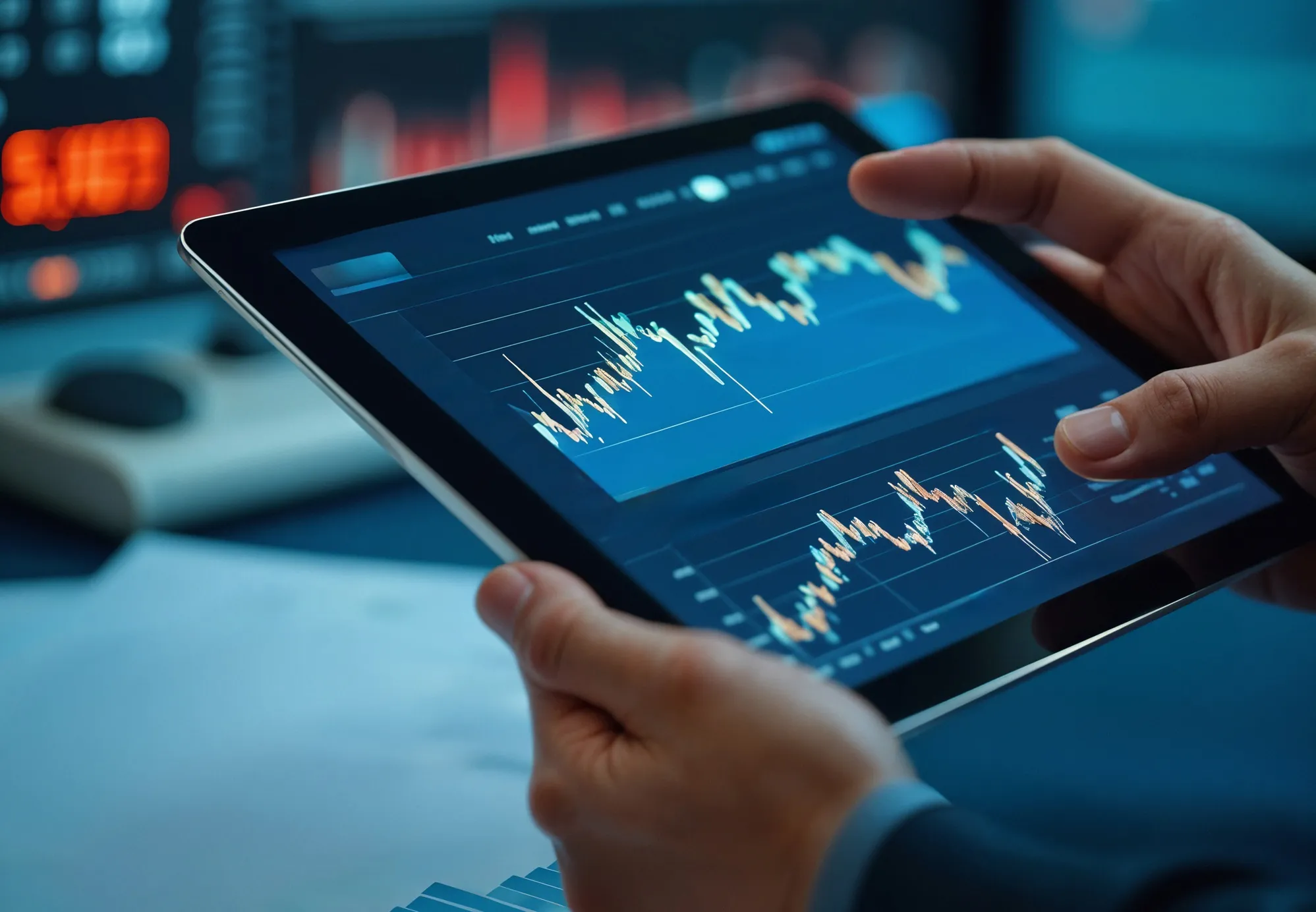
Trading platforms can make it easier to monitor several markets from one environment. Inveslo, for example, provides access to multiple financial markets, allowing traders to build a watchlist around the instruments they follow.
The technology itself should remain secondary to the trading process. A platform can display prices and charts, but it cannot determine whether a trade fits an individual's risk limits or strategy.
Final Thoughts
Currency and precious-metal markets can respond to many of the same macroeconomic developments, but they do not necessarily react in identical ways.
Understanding the factors behind price movements can help traders interpret market conditions more carefully. Rather than treating every economic release as a trading signal, it can be more useful to consider expectations, market context, and risk before deciding whether a setup deserves attention.
A disciplined approach allows traders to use cross-market information as context while keeping actual trading decisions grounded in a defined strategy.
























Sign in to leave a comment.