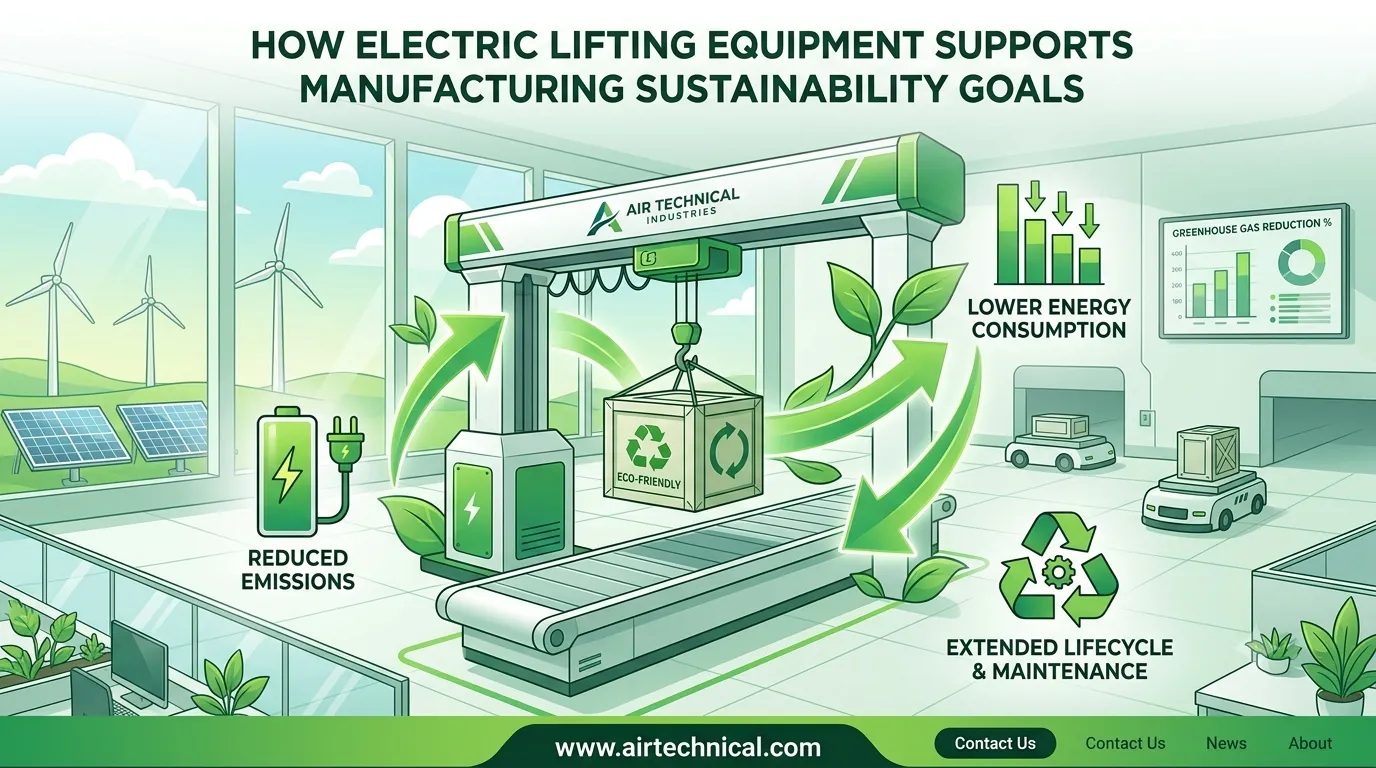

Manufacturers across the United States are facing increasing pressure to improve sustainability while maintaining productivity, workplace safety, and profitability. Rising energy costs, stricter environmental regulations, and growing customer expectations are pushing companies to rethink how materials are handled within their facilities.
One area often overlooked in sustainability initiatives is the equipment used for lifting, positioning, and transporting heavy loads. Traditional hydraulic and fuel-powered systems can consume significant amounts of energy, require frequent maintenance, and contribute to environmental waste. In contrast, electric lifting equipment offers a cleaner, more efficient alternative that aligns with modern manufacturing sustainability goals.
From reducing energy consumption to supporting workplace safety and operational efficiency, electric-powered lifting solutions are helping manufacturers create greener and more productive facilities.
Why Sustainability Matters in Modern Manufacturing
Sustainability is no longer just a corporate responsibility initiative. It has become a business necessity.
Manufacturers are expected to reduce their environmental footprint while improving operational performance. Many organizations have established Environmental, Social, and Governance (ESG) goals that focus on:
- Lowering energy consumption
- Reducing greenhouse gas emissions
- Minimizing waste generation
- Improving worker safety
- Extending equipment life cycles
- Enhancing operational efficiency
Achieving these objectives requires evaluating every aspect of production and material handling operations. Since lifting and material movement occur throughout manufacturing facilities every day, upgrading to more efficient solutions can have a measurable impact on sustainability performance.
What Is Electric Lifting Equipment?
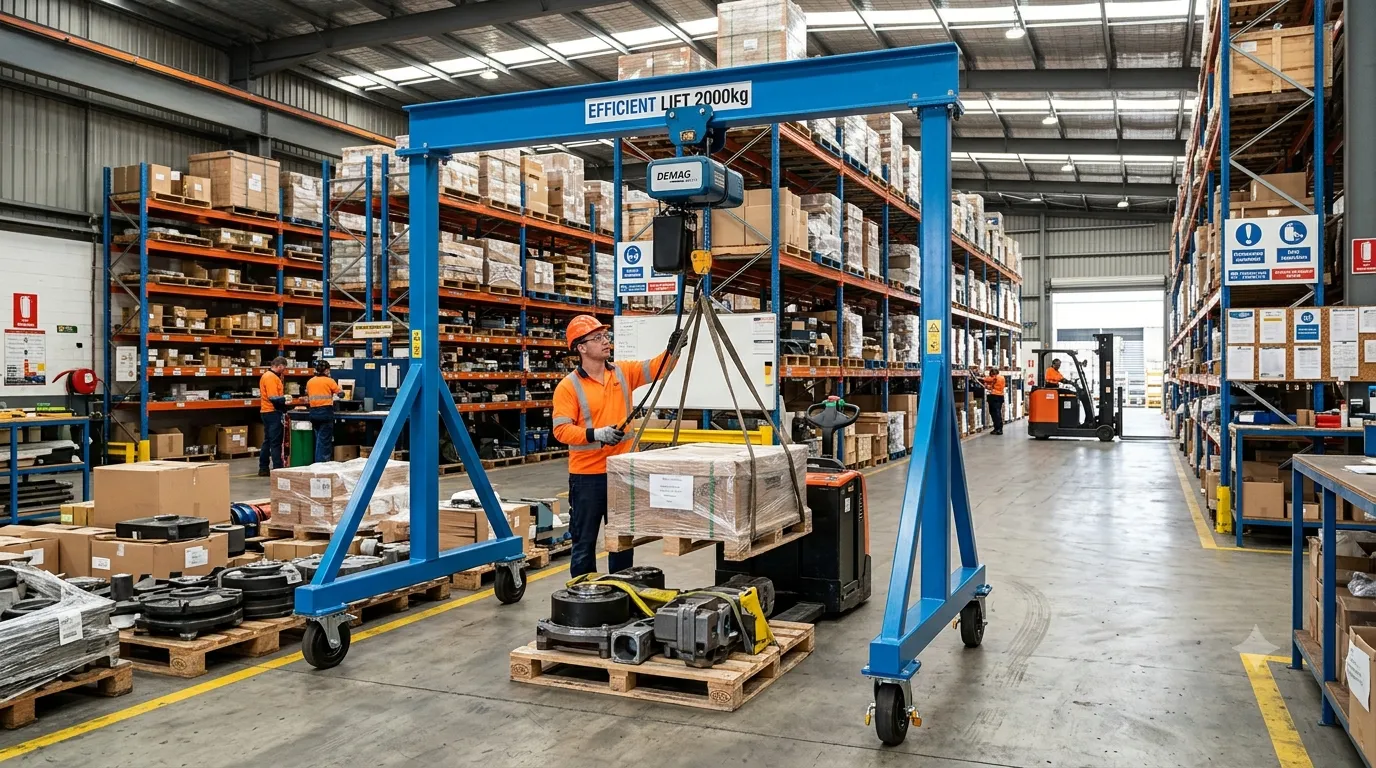
Electric lifting equipment refers to lifting and positioning systems powered primarily by electric motors rather than hydraulic pumps, pneumatic systems, or internal combustion engines.
Examples include:
- Electric cranes
- Electric hoists
- Electric lift tables
- Electric material handlers
- Electric knuckle boom cranes
- Electric stackers
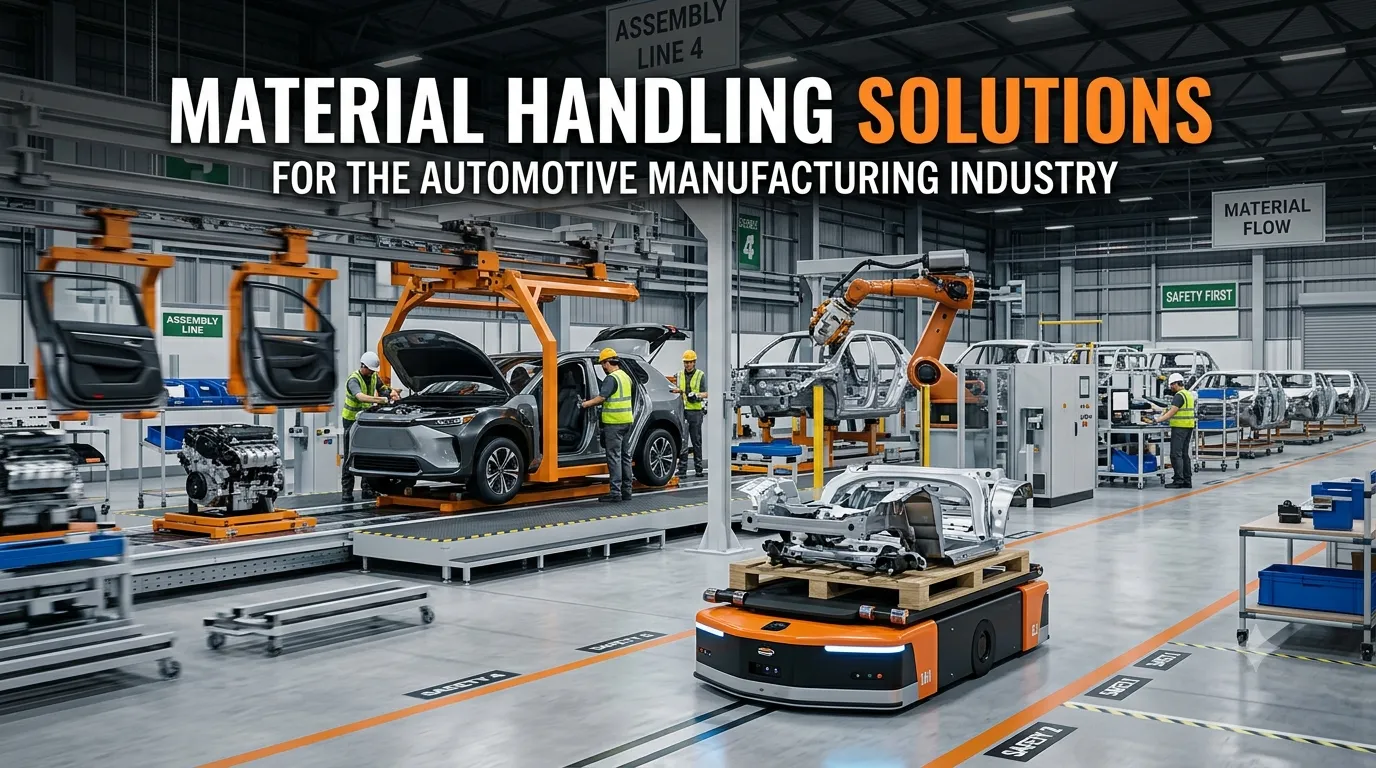
- Automated lifting systems
These systems use advanced electric drive technology to lift, lower, rotate, position, and transport loads with precision while consuming less energy than many traditional alternatives.
As manufacturers continue to invest in automation and smart factory initiatives, electric-powered solutions are becoming a preferred choice for material handling applications.
Reducing Energy Consumption Across Operations
One of the biggest sustainability benefits of electric lifting equipment is improved energy efficiency.
Traditional hydraulic systems often run continuously, consuming energy even when equipment is idle. Hydraulic pumps generate heat, resulting in additional energy losses and increased cooling requirements.
Electric lifting systems operate differently. They typically consume power only when movement is required, making them significantly more efficient during daily operations.
Benefits include:
- Lower electricity usage
- Reduced operational costs
- Improved energy management
- Higher overall equipment efficiency
For facilities operating multiple shifts, these energy savings can become substantial over time while helping organizations meet sustainability targets.
Lowering Carbon Emissions
Many manufacturers have established carbon reduction initiatives aimed at minimizing their environmental impact.
Because electric-powered lifting systems require less energy and can operate using electricity generated from renewable sources, they contribute to lower overall carbon emissions.
When paired with renewable energy programs such as:
- Solar power systems
- Wind energy contracts
- Renewable utility programs
Electric lifting solutions become an important component of a facility’s broader decarbonization strategy.
As more companies work toward net-zero emissions goals, replacing older hydraulic or fuel-powered systems with electric alternatives can support measurable progress.
Supporting Lean Manufacturing Practices
Sustainability and lean manufacturing often go hand in hand.
Lean operations focus on eliminating waste in every form, including wasted motion, waiting time, excess inventory, unnecessary transportation, and inefficient processes.
Modern material lifting equipment helps manufacturers streamline workflows by providing:
- Faster load handling
- Precise positioning
- Improved ergonomics
- Reduced material damage
- Consistent operational performance
Electric systems also offer smoother acceleration and stopping capabilities, minimizing disruptions and helping operators move products more efficiently throughout the production process.
The result is a more productive operation with fewer wasted resources.
Reducing Maintenance Requirements and Waste
Maintenance activities can have a significant environmental impact.
Hydraulic lifting systems often require:
- Hydraulic fluid replacement
- Hose replacements
- Seal repairs
- Leak management
- Disposal of contaminated fluids
These maintenance requirements create waste and increase the risk of environmental contamination.
Electric lifting systems generally have fewer moving parts and eliminate the need for hydraulic fluids in many applications.
Advantages include:
- Reduced maintenance frequency
- Lower parts consumption
- Less hazardous waste generation
- Reduced downtime
- Longer equipment service life
By minimizing maintenance-related waste, manufacturers can further support their sustainability objectives while lowering operating expenses.
Improving Workplace Safety and Ergonomics
Sustainability extends beyond environmental performance. It also includes creating safer and healthier workplaces.
Manual lifting remains a leading cause of workplace injuries in manufacturing environments. Musculoskeletal disorders, repetitive strain injuries, and fatigue can impact employee well-being and productivity.
Modern lifting equipment helps reduce these risks by handling heavy loads safely and consistently.
Electric lifting solutions offer:
- Precise load control
- Smooth lifting and lowering
- Enhanced operator visibility
- Improved positioning accuracy
- Reduced physical strain on workers
Safer workplaces often experience lower injury rates, reduced absenteeism, and improved employee retention, all of which contribute to long-term sustainability goals.
Enabling Smart Factory and Automation Initiatives
Manufacturing facilities are increasingly adopting Industry 4.0 technologies to improve efficiency and sustainability.
Many forms of automated lifting equipment can be integrated with:
- Automated production systems
- Sensors and monitoring devices
- Programmable controls
- Manufacturing execution systems (MES)
- Industrial Internet of Things (IIoT) platforms
These capabilities allow manufacturers to:
- Monitor energy usage
- Optimize lifting cycles
- Track equipment performance
- Predict maintenance requirements
- Improve resource utilization
By leveraging real-time operational data, facilities can continuously improve efficiency while reducing waste and energy consumption.
Extending Equipment Lifespan
Replacing industrial equipment frequently can generate significant environmental and financial costs.
High-quality electric lifting systems are designed for durability and long-term reliability. Advanced electric drive technologies experience less wear compared to many traditional hydraulic systems, helping equipment remain productive for years.
Longer equipment life provides sustainability benefits such as:
- Reduced raw material consumption
- Lower manufacturing demand for replacement equipment
- Reduced disposal and recycling requirements
- Better return on investment
For manufacturers focused on lifecycle sustainability, equipment longevity is an important consideration.
Supporting Corporate ESG and Sustainability Reporting
Many organizations now track sustainability metrics and publish ESG reports for customers, investors, and stakeholders.
Implementing electric-powered material handling solutions can support measurable improvements in several key performance indicators, including:
- Energy reduction
- Carbon footprint reduction
- Waste minimization
- Workplace safety improvements
- Operational efficiency gains
These improvements help manufacturers demonstrate progress toward sustainability commitments while strengthening their competitive position in the marketplace.
Choosing the Right Electric Lifting Equipment
Not all lifting applications have the same requirements.
When evaluating electric solutions, manufacturers should consider:
- Load capacity requirements
- Duty cycle demands
- Facility layout
- Automation compatibility
- Safety requirements
- Future expansion plans
Working with an experienced lifting equipment manufacturer can help ensure the selected solution aligns with both operational objectives and sustainability goals.
Conclusion
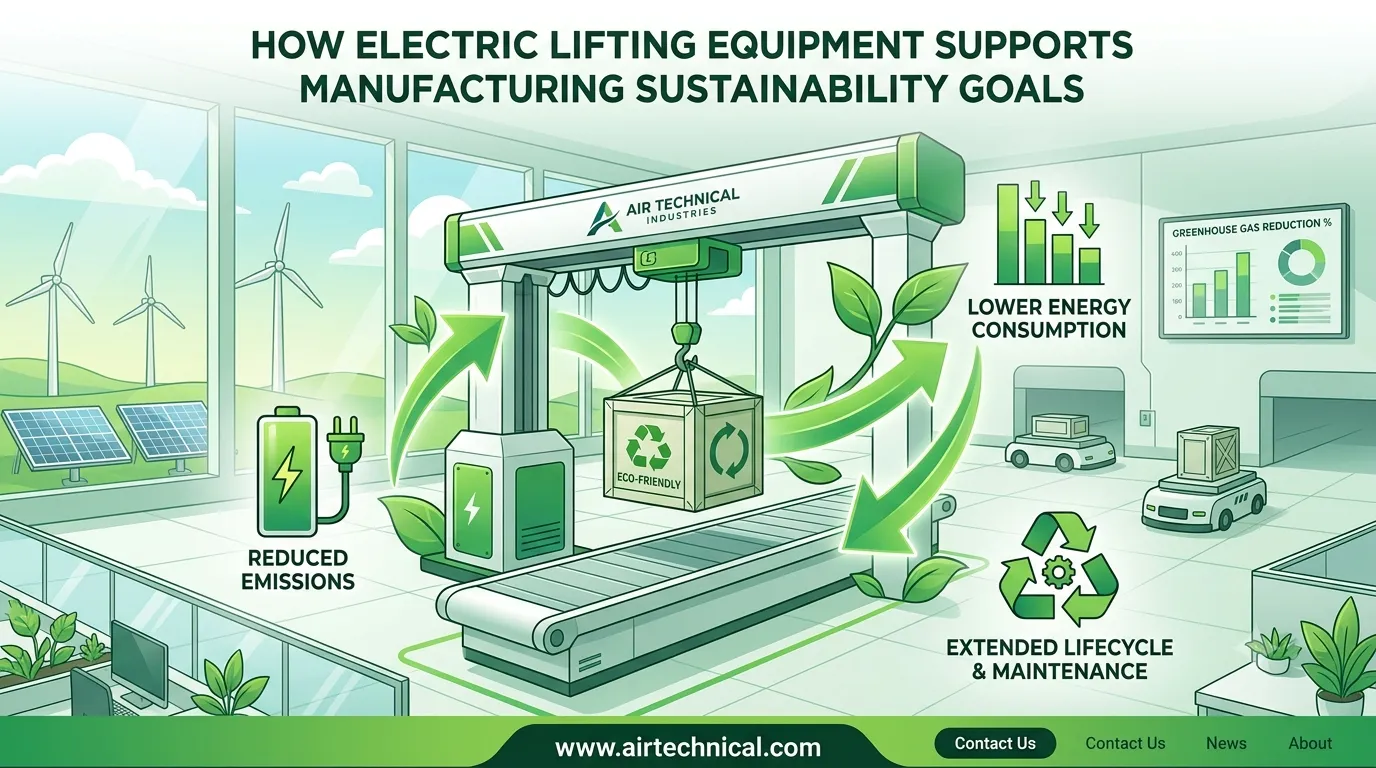
As manufacturers pursue greener operations and stronger ESG performance, electric lifting equipment is becoming a valuable investment for sustainable material handling. These systems reduce energy consumption, lower emissions, minimize maintenance waste, improve workplace safety, and support automation initiatives that drive long-term efficiency.
Whether implemented as electric cranes, lift tables, hoists, or advanced automated lifting equipment, electric-powered solutions help manufacturers achieve both environmental and operational objectives. By modernizing their material lifting equipment strategies, companies can create safer, more efficient facilities while advancing their sustainability goals for the future.
Request a Quote
Looking to improve efficiency, reduce operating costs, and support your sustainability initiatives? Air Technical Industries designs and manufactures innovative electric lifting and material handling solutions for a wide range of industrial applications. Contact our team today to discuss the right lifting equipment solution for your manufacturing facility.






















Sign in to leave a comment.