

The FIFA World Cup 2026 changed the way many travelers approached group transportation across the United States. With 48 teams, 104 matches, and 16 host cities across North America, the tournament created an enormous movement of fans, families, soccer clubs, corporate groups, and international visitors. The United States hosted 78 matches across 11 cities, making reliable transportation an important part of the overall event experience. As visitors planned trips around stadiums, hotels, airports, fan activities, and attractions, World Cup travel transportation became increasingly relevant for groups looking for a convenient way to travel together.
The Scale of the 2026 FIFA World Cup
The 2026 tournament represented a significant change from previous World Cups. It was the first edition to feature 48 teams and was hosted jointly by the United States, Canada, and Mexico. Sixteen cities across the three countries welcomed matches, with 11 U.S. host cities carrying a particularly large share of the tournament schedule.
American host cities included Atlanta, Boston, Dallas, Houston, Kansas City, Los Angeles, Miami, New York/New Jersey, Philadelphia, the San Francisco Bay Area, and Seattle. The final was held in New York/New Jersey, while other major matches took place throughout the country.
This geographic spread changed the transportation needs of fans. Rather than attending one event in a single location, many travelers planned multi-day trips involving stadiums, hotels, restaurants, entertainment venues, and fan activities.
Why Group Travel Became More Important
Large sporting events can make individual transportation complicated. When thousands of people arrive in the same city for matches, roads around stadiums can become busier and parking can become more difficult to manage.
For families and small groups, traveling in separate cars can mean coordinating multiple drivers, parking locations, arrival times, and return trips. Larger organizations face an even greater challenge when dozens of passengers need to reach the same destination on schedule.
Group transportation provides a way to simplify those arrangements. Instead of coordinating several vehicles, passengers can travel together according to a shared itinerary.
Charter buses are particularly useful for groups that need transportation between multiple locations during the same day. A single itinerary can connect a hotel with a stadium, restaurant, fan festival, or other event location.
Charter Buses Became Part of the Event Experience
Transportation is often overlooked when people plan for major sporting events, but it can have a significant impact on the overall experience. Getting to the stadium on time is only one part of the journey.
Fans may spend hours traveling, attending pre-match activities, watching the game, and returning to their accommodations. Having a designated vehicle allows the group to remain together throughout that schedule.
Passengers can also avoid the responsibility of driving after a long day of activities. Instead, they can spend the journey talking with fellow fans, relaxing, or preparing for the next event.
For soccer supporter groups, this can add another layer of convenience. Traveling together can also help create a stronger sense of community among fans attending matches.
Transportation Planning Became a Priority for Host Cities
The transportation impact of the World Cup was significant enough for U.S. transportation agencies to make dedicated preparations. In March 2026, the U.S. Department of Transportation announced $100.3 million in Federal Transit Administration funding for public transportation systems in World Cup host cities. The funding was intended to help communities expand transit options and handle increased demand around stadiums and other public events.
This investment demonstrated how seriously host cities approached the transportation challenges associated with the tournament.
Public transit was an important part of the solution, but organized private transportation also offered an option for groups with specific pickup locations, larger passenger numbers, or multi-stop itineraries.
More Efficient Travel for Soccer Clubs
The World Cup also created opportunities for local and visiting soccer organizations. Youth soccer clubs, college teams, supporter organizations, and community groups could arrange transportation around match schedules and related events.
For a soccer club, keeping players and staff together can make event-day logistics easier. Parents and supporters can also travel with the group rather than making separate transportation arrangements.
This type of organized travel can be particularly helpful when a group is unfamiliar with the host city. Instead of having multiple drivers navigate unfamiliar roads, the group can coordinate transportation around predetermined pickup and drop-off locations.
Making Multi-City Trips Easier
The World Cup's wide geographic footprint also encouraged some fans to plan trips involving more than one host city.
FIFA's match schedule was designed with regional groupings intended to reduce unnecessary travel for teams and fans, but the tournament still covered a vast area. A fan attending multiple matches could potentially travel between cities in the eastern, central, or western parts of the United States.
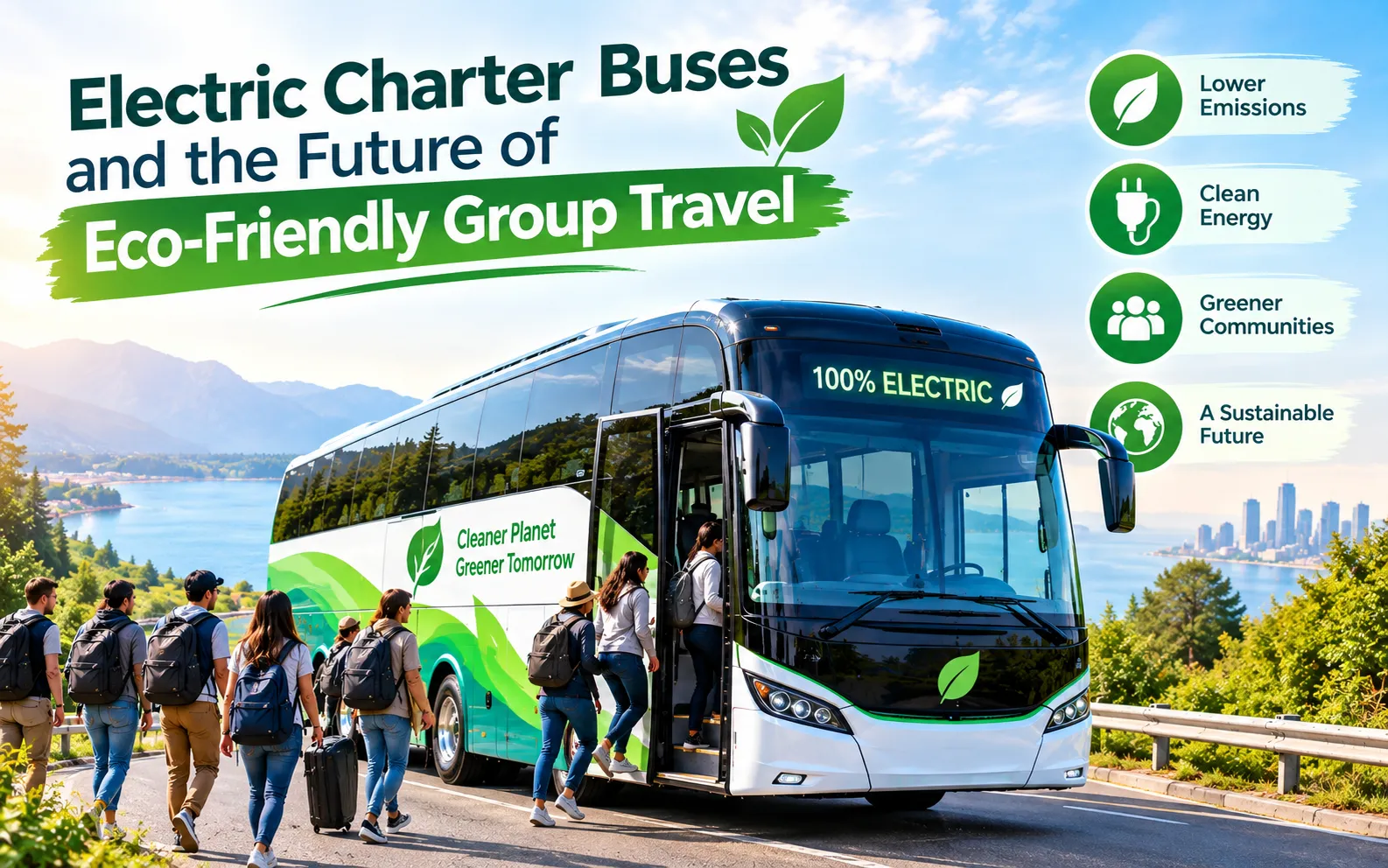
For groups planning longer road trips, charter buses can provide a comfortable way to keep everyone together. Instead of renting multiple cars, passengers can share one vehicle and follow the same itinerary.
Depending on the selected bus, passengers may have access to reclining seats, climate control, luggage storage, power outlets, Wi-Fi, and other amenities that can make longer journeys more comfortable.
Fan Events Added More Reasons to Travel
World Cup travel extended beyond the matches themselves. Host cities organized fan-focused activities and public events that attracted visitors throughout the tournament.
This meant that groups could have several destinations on their schedule during a single day. A typical itinerary might begin with a hotel pickup, continue to a fan gathering, move to the stadium for a match, and finish with dinner or another evening event.
Coordinating transportation for several stops can be challenging when everyone is traveling independently. A charter bus can provide one transportation solution that follows the group's planned schedule.
Corporate and Community Travel Also Changed
The World Cup was not only a destination for individual soccer fans. Businesses, sponsors, community organizations, schools, and other groups also participated in events surrounding the tournament.
Companies could arrange transportation for employees or clients attending matches and hospitality events. Community organizations could coordinate group outings, while schools and soccer programs could organize trips for students and supporters.
For these organizations, group transportation can provide more control over scheduling and help keep participants together throughout the event.
A More Organized Approach to Major Event Travel
The transportation lessons from the 2026 FIFA World Cup extend beyond soccer. Large concerts, festivals, conventions, championship games, and other major events can create similar challenges.
When thousands of people travel to the same destination, transportation demand can rise quickly. Planning ahead allows groups to consider passenger numbers, vehicle requirements, pickup locations, travel times, and the possibility of heavy traffic.
Organized transportation can also make the overall itinerary easier for passengers to understand. Everyone knows where and when to meet, reducing the confusion that can occur when multiple cars and transportation services are involved.
The Lasting Impact on Group Transportation
The 2026 FIFA World Cup demonstrated how a major international event can influence group travel across an entire country. With matches spread across 11 U.S. host cities and millions of fans moving through different destinations, transportation became an essential part of the event infrastructure.
FIFA also confirmed that 39 participating teams were based in the United States, with training sites located in communities beyond the official match-host cities. This broadened the tournament's transportation footprint even further.
The experience showed that group transportation is not simply about reaching a stadium. It can support an entire travel itinerary, from airport transfers and hotel transportation to match-day trips and multi-city journeys.
Final Thoughts
FIFA World Cup 2026 changed group travel in the USA by creating an unprecedented transportation environment across multiple cities. The combination of international visitors, large crowds, stadium events, fan activities, and multi-city travel created new challenges for travelers and transportation providers alike.
Charter buses offered groups a practical way to stay together while moving between important destinations. Whether the passengers were soccer fans, corporate travelers, youth teams, families, or community organizations, coordinated transportation could make a complex event itinerary easier to manage.
The impact of the 2026 World Cup also provides a useful lesson for future major events. When large numbers of people gather in different cities at the same time, dependable group transportation can play an important role in creating a smoother, more organized, and more enjoyable travel experience.






















Sign in to leave a comment.