

Shopping for new pots and pans should not feel like a chore. Yet with so many brands, coatings, and piece counts on the market, most home cooks in the United States end up overwhelmed before they even open a checkout page. This guide breaks down what actually matters when you shop for the best non-stick cookware sets for sale in the USA, so you can buy once and cook confidently for years.
Whether you are furnishing a first apartment, replacing worn-out pans, or upgrading a family kitchen, the notes below are based on how these products actually perform in daily use, not marketing copy.
What Makes Non-Stick Cookware Worth Buying?
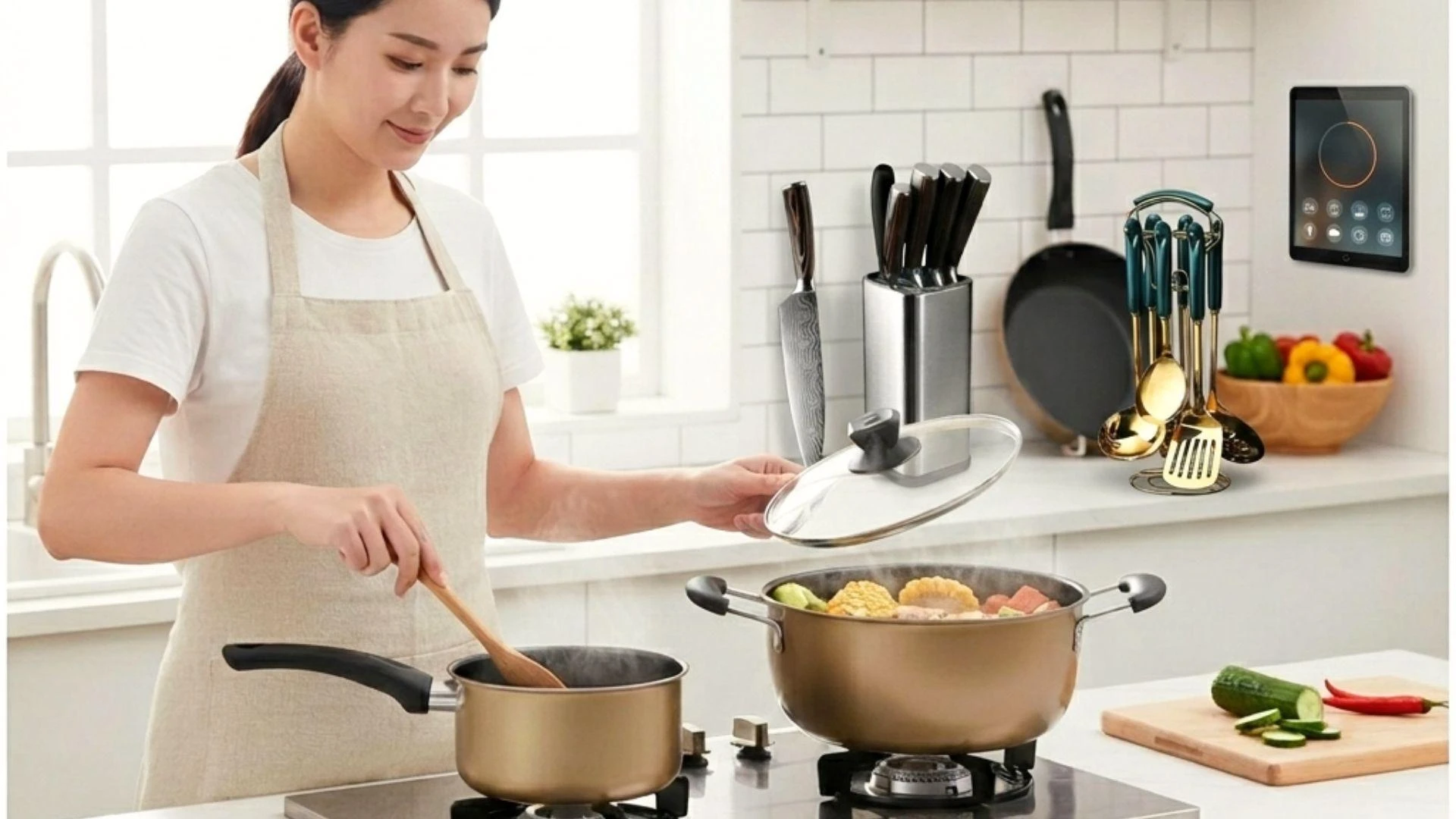
A good non-stick pan saves oil, cuts down on scrubbing, and makes weeknight cooking faster. Eggs slide off the surface. Delicate fish stays intact. Cleanup takes minutes instead of soaking overnight.
Modern cookware sold in the United States is required to be PFOA-free. PFOA, one of the older chemicals once used in nonstick coatings, was voluntarily phased out by major U.S. manufacturers by 2015 under an agreement with the Environmental Protection Agency. Today's coatings, whether PTFE-based, ceramic, or hybrid, are manufactured without it.
That said, all nonstick coatings — including PTFE — can start to break down at very high heat, generally above 500°F (260°C). The practical takeaway is simple: cook on medium heat, use wood or silicone utensils, and your pans will last much longer.
What Should You Check Before Buying a Cookware Set?
Before adding anything to your cart, run through a short checklist:
- Coating type — PTFE, ceramic, or hard-anodized aluminum
- Number of pieces — matched to your household size
- Stovetop compatibility — gas, electric, ceramic, or induction
- Handle material — stainless steel handles usually tolerate more heat than plastic
- Oven-safe rating — useful if you finish dishes under a broiler
- Dishwasher compatibility — some sets require hand washing only
Skipping this step is the most common reason people end up disappointed with a set that looked great in photos but didn't fit their cooking habits.
Which Materials Work Best for Non-Stick Cookware?
Not all non-stick pans are built the same way. Here is a quick rundown:
Non-stick coated aluminum heats quickly and evenly, which is why it is the most common choice for everyday frying pans and saucepans.
Hard-anodized aluminum goes through a process that hardens the metal surface, making it more scratch-resistant than standard aluminum while keeping the lightweight feel.
Cast iron with an enamel or seasoned finish holds heat exceptionally well and works on every stovetop type, including outdoor grills.
Stainless steel is not naturally non-stick, but many hybrid sets pair it with aluminum cores for durability plus even heating.
Each material suits a different cooking style, so think about what you cook most before choosing a set built around one material alone.
Where Can You Find the Best Non-Stick Cookware Sets for Sale in the USA?
Buyers across the United States generally have three shopping routes: big-box retailers, specialty kitchen stores, and online retailers that focus specifically on home goods.
Online cookware retailers often carry a wider range of piece counts, price points, and coating types than a typical department store aisle. This matters because a set that works for a studio apartment kitchen looks very different from one built for a family of five.
When comparing options, look past star ratings alone. Check the piece list, confirm what is actually included (lids, utensils, steamer baskets), and read the returns policy before you buy. Sets range widely in price, from budget-friendly starter collections under $60 to premium multi-piece sets built for serious home cooks.
How Many Pieces Do You Actually Need?
Piece count is one of the most misleading numbers in cookware marketing. A "20-piece set" often counts lids, utensils, and storage lids separately from pots and pans.
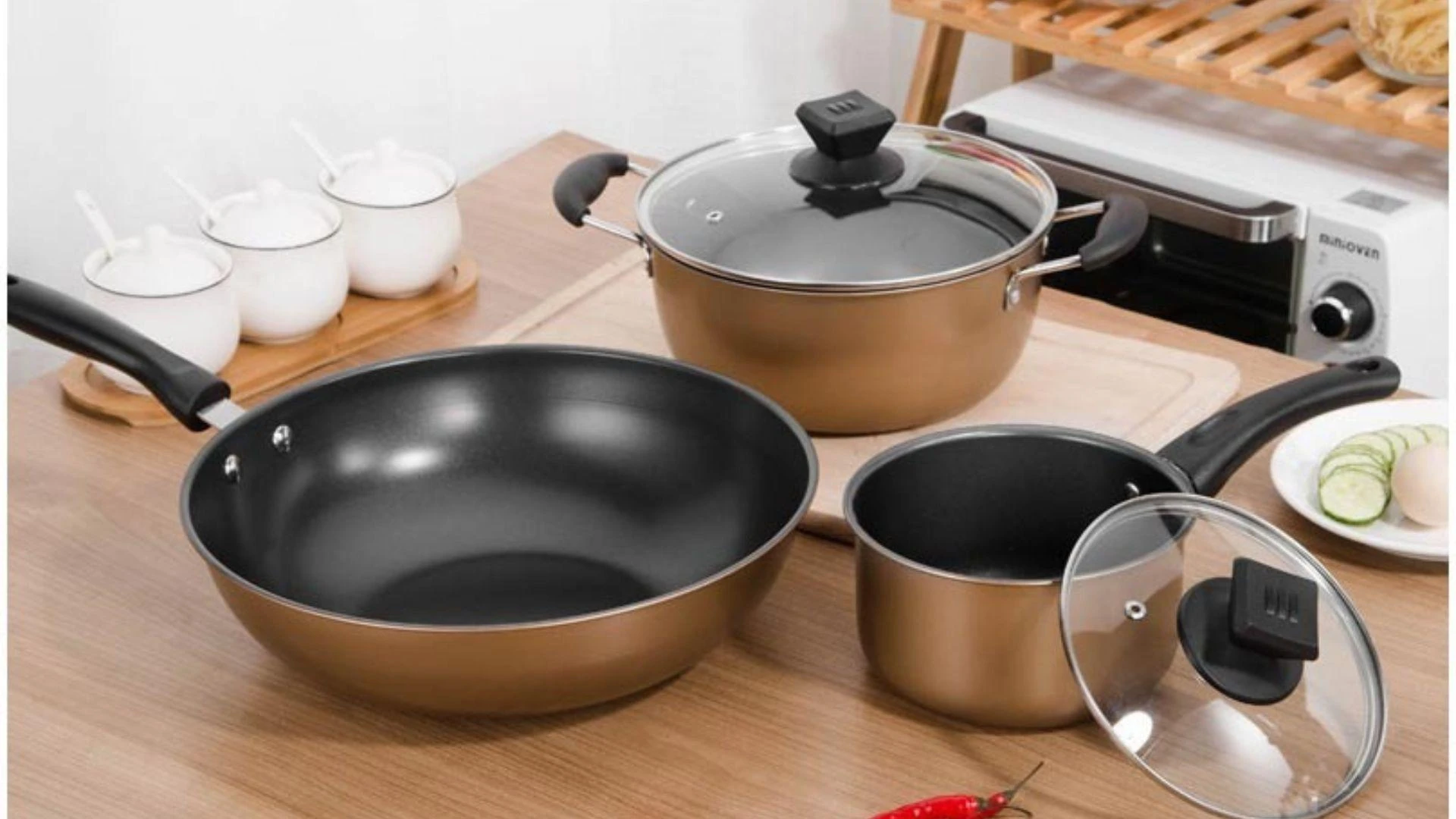
For most households, 8 to 12 core pieces (pans, saucepans, a stockpot, and matching lids) cover nearly every recipe. Larger sets, in the 17- to 22-piece range, make sense for bigger families or anyone who bakes and cooks in equal measure, since these often bundle bakeware alongside pots and pans.
Buying more pieces than you will realistically use just adds clutter to your cabinets.
Is Induction-Compatible Cookware Worth the Extra Cost?
Induction cooktops are becoming more common in U.S. kitchens because they heat faster and use less energy than traditional electric coils. However, induction only works with cookware that has a magnetic base, typically stainless steel or specially treated aluminum.
If you already own an induction range, confirm compatibility on the product page before buying; it is usually listed clearly, and a simple magnet test on the pan's underside works if you are checking a set you already own.
If you are not using induction, this feature adds cost without adding value, so skip it and put that budget toward thicker gauge metal instead.
How Do You Clean and Maintain Non-Stick Pans Properly?
Non-stick cookware lasts longer with a few simple habits:
- Hand wash with warm water and a soft sponge whenever possible.
- Avoid metal utensils, which scratch the coating over time.
- Let pans cool before rinsing them under cold water to prevent warping.
- Store pans with a protective liner or hang them separately to avoid scratches from stacking.
- Replace any pan once the coating visibly flakes or peels.
Some sets are labeled dishwasher safe, but hand washing generally preserves the non-stick surface for a longer stretch of everyday use.
Why Do Kitchen Accessories Matter as Much as the Cookware Itself?
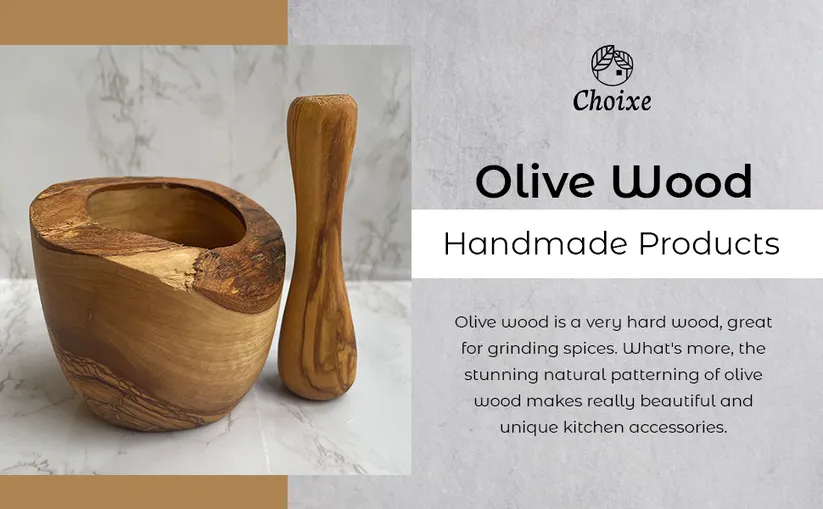
A great pan is only half the equation. Wooden spoons, silicone spatulas, trivets, and storage solutions all affect how long your cookware stays in good shape. Metal tongs and steel scouring pads are the fastest way to shorten a non-stick pan's lifespan, so pairing pans with the right Kitchen Accessories protects your investment instead of undermining it.
A matching set of utensils also keeps your kitchen organized, which matters more than it sounds once you are cooking three meals a day.
How Much Should You Budget for a Quality Set?
Prices for cookware sold across the United States vary based on material, brand, and piece count. Entry-level non-stick sets typically start around $40 to $75. Mid-range sets with hard-anodized construction or added bakeware run from $100 to $250. Premium sets with cast iron pieces or extended warranties can reach $400 and above.
Spending more does not automatically mean better performance for every kitchen. A well-reviewed mid-range set often outperforms an overpriced set with unnecessary extras.
If you are shopping on a set budget, compare cost per piece rather than the sticker price alone. A 12-piece set at $150 may offer better value than a flashy 6-piece set at $130.
Final Thoughts
Choosing cookware does not need to be complicated once you know what to look for: coating type, piece count that matches your household, stovetop compatibility, and a clear care routine. Whether you are outfitting a new home or replacing scratched-up pans, taking these factors into account will help you land on the non-stick cookware sets for sale without buyer's remorse.
Frequently Asked Questions
1. What is the best non-stick cookware set for a small kitchen in the USA?
An 8- to 10-piece set with stackable or nesting pans works well for small U.S. apartments and kitchens with limited cabinet space.
2. How much does a quality non-stick cookware set cost in the United States?
Most reliable sets sold in the U.S. range from $75 to $250, depending on material and piece count, with premium options going higher.
3. Is non-stick cookware safe to use in American households?
Yes. Cookware manufactured for sale in the United States must be PFOA-free, and coatings are considered safe when used at low to medium cooking temperatures.
4. Which non-stick cookware sets work on induction cooktops in the USA?
Sets with a magnetic stainless steel or specially bonded aluminum base are labeled induction-compatible; always check the product page to confirm.
5. Where can I buy affordable non-stick cookware sets for sale in the USA?
Online kitchenware retailers often carry a wider selection at lower prices than in-store options, especially for multi-piece bundles.
6. How many pieces should a non-stick cookware set have for a US family kitchen? Families of four or more usually do well with a 17- to 22-piece set that includes a stockpot, sauté pans, and bakeware.
7. Can I put non-stick cookware in the dishwasher?
Some U.S.-sold sets are dishwasher safe, but hand washing is generally recommended to extend the coating's lifespan.
8. What is the difference between ceramic and PTFE non-stick coatings?
Ceramic coatings are mineral-based and free of PTFE altogether, while PTFE coatings tend to offer longer-lasting slickness but require careful heat management.
9. How long does non-stick cookware typically last before it needs replacing?
With proper care, most non-stick pans last two to five years before the coating starts to wear down and needs replacing.
10. What should first-time buyers in the USA check before ordering cookware online? Confirm the piece list, coating type, stovetop compatibility, and return policy before ordering any cookware set online.





















Sign in to leave a comment.