

Fire safety planning is an important responsibility for every commercial and industrial property. A fire can develop quickly, damage valuable assets and create serious risks for employees and visitors. For this reason, businesses often use several layers of protection instead of depending on one type of equipment. Among these solutions, Fire Sprinkler Systems can provide an important automatic method of controlling a developing fire.
A sprinkler system is designed to release water when heat from a fire reaches the operating temperature of an individual sprinkler head. This automatic response can help control a fire at an early stage while occupants begin evacuation and emergency procedures are activated.
What Are Fire Sprinkler Systems?
Fire sprinkler systems are fixed fire protection arrangements consisting of sprinkler heads, piping, valves, water supplies and related components. The system is designed according to the building's occupancy, layout, fire hazards and water requirements.
When sufficient heat reaches a sprinkler head, its heat-sensitive element activates and water is discharged over the protected area. The purpose is to control or suppress fire growth and limit the spread of heat.
The system does not normally activate every sprinkler head simply because one area experiences a fire. Individual sprinkler heads respond to the heat conditions around them.
Why Are Sprinkler Systems Important?
A small fire can become a major incident when there is a delay in detection or response. Combustible materials, furniture, packaging, machinery and other contents can provide fuel for rapid fire growth.
An appropriately designed sprinkler installation can provide an early automatic response. It may help:
- Control fire development
- Reduce the spread of flames
- Limit heat exposure
- Protect property and equipment
- Provide additional time for evacuation
- Support the overall fire protection strategy
Sprinklers should, however, be viewed as one component of a complete fire safety plan rather than a replacement for alarms, extinguishers, emergency exits or trained emergency personnel.
Where Can Sprinkler Systems Be Used?
Fire sprinkler systems can be designed for many different applications. Commercial offices, warehouses, manufacturing facilities, storage areas, residential properties and other buildings may require sprinkler protection depending on their risk profile.
Every property is different. A warehouse containing combustible goods can have very different requirements from an office building. Ceiling height, storage arrangement, building construction and the type of materials present can all influence system design.
Therefore, choosing a sprinkler system should begin with understanding the actual fire hazards at the site.
Importance of Correct System Design
A sprinkler system can only perform effectively when its components and design are appropriate for the protected premises.
Important considerations can include:
- Building occupancy
- Fire hazard classification
- Ceiling height
- Storage arrangement
- Available water supply
- Required pressure and flow
- Sprinkler type and spacing
- Pipe arrangement
- Access for inspection and maintenance
Improperly positioned sprinkler heads, blocked discharge areas or inadequate water supply can affect system performance. Professional assessment and installation are therefore important.
Sprinklers as Part of a Complete Fire Protection System
Fire protection is rarely limited to one product. A commercial or industrial facility may need several systems working together.
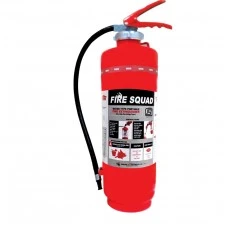
For example, Fire Extinguishers can provide portable protection for suitable small fires and should be selected according to the hazards present.
For larger premises, a Fire Hydrant System can provide a dedicated firefighting water network for trained personnel and emergency response teams.
Fire alarms and detection systems can provide early warning, while emergency exits, fire doors, evacuation plans and staff training support life safety.
You can also review the available Fire Extinguisher solutions and Fire Hydrant System solutions when planning a broader fire protection strategy.
Fire Safety in Industrial and Commercial Properties
Businesses should assess their fire risks before selecting equipment. Electrical equipment, combustible materials, storage areas, machinery and production processes can create different hazards.
The objective should not simply be to purchase equipment but to develop a fire protection arrangement that is suitable for the premises.
Regular inspection and maintenance are also important. Sprinkler heads should not be painted, blocked or physically damaged, and valves and other system components should remain accessible for inspection.
Choosing a Suitable Fire Protection Provider
When selecting fire protection equipment, businesses should look at product suitability, application requirements, technical information and after-sales support.
Spectra Fire provides a range of fire safety products for commercial and industrial applications, including sprinkler systems, fire extinguishers and hydrant systems.
Businesses can explore the available Fire Sprinkler Systems and compare their requirements with the available product range.
Conclusion
Fire sprinkler systems can provide an important automatic layer of fire protection in suitable commercial, industrial and other properties. Their effectiveness depends on appropriate design, correct installation, adequate water supply and regular inspection.
A stronger fire safety strategy combines sprinklers with fire extinguishers, hydrant systems, alarms, emergency exits and proper evacuation procedures. Assessing the specific hazards of a property before selecting equipment is one of the most important steps toward effective fire protection.
Frequently Asked Questions
1. How do Fire Sprinkler Systems work?
Fire Sprinkler Systems release water when the heat from a developing fire reaches the activation temperature of an individual sprinkler head. This can help control the fire at an early stage.
2. Do all sprinkler heads activate at the same time?
No. Individual sprinkler heads generally activate based on the heat conditions around them. A fire in one area does not normally activate every sprinkler head in the building.
3. Where are Fire Sprinkler Systems commonly used?
They can be used in commercial buildings, warehouses, manufacturing facilities, storage areas, residential properties and other locations where sprinkler protection is appropriate.
4. Are sprinkler systems a replacement for fire extinguishers?
No. Sprinkler systems and fire extinguishers serve different purposes. A complete fire safety strategy may include sprinklers, extinguishers, hydrant systems, alarms and emergency procedures.
5. How often should a sprinkler system be inspected?
Inspection and maintenance should be carried out regularly according to the system design, applicable requirements and recommendations of qualified fire protection professionals. Components should remain accessible and free from damage or obstruction.























Sign in to leave a comment.