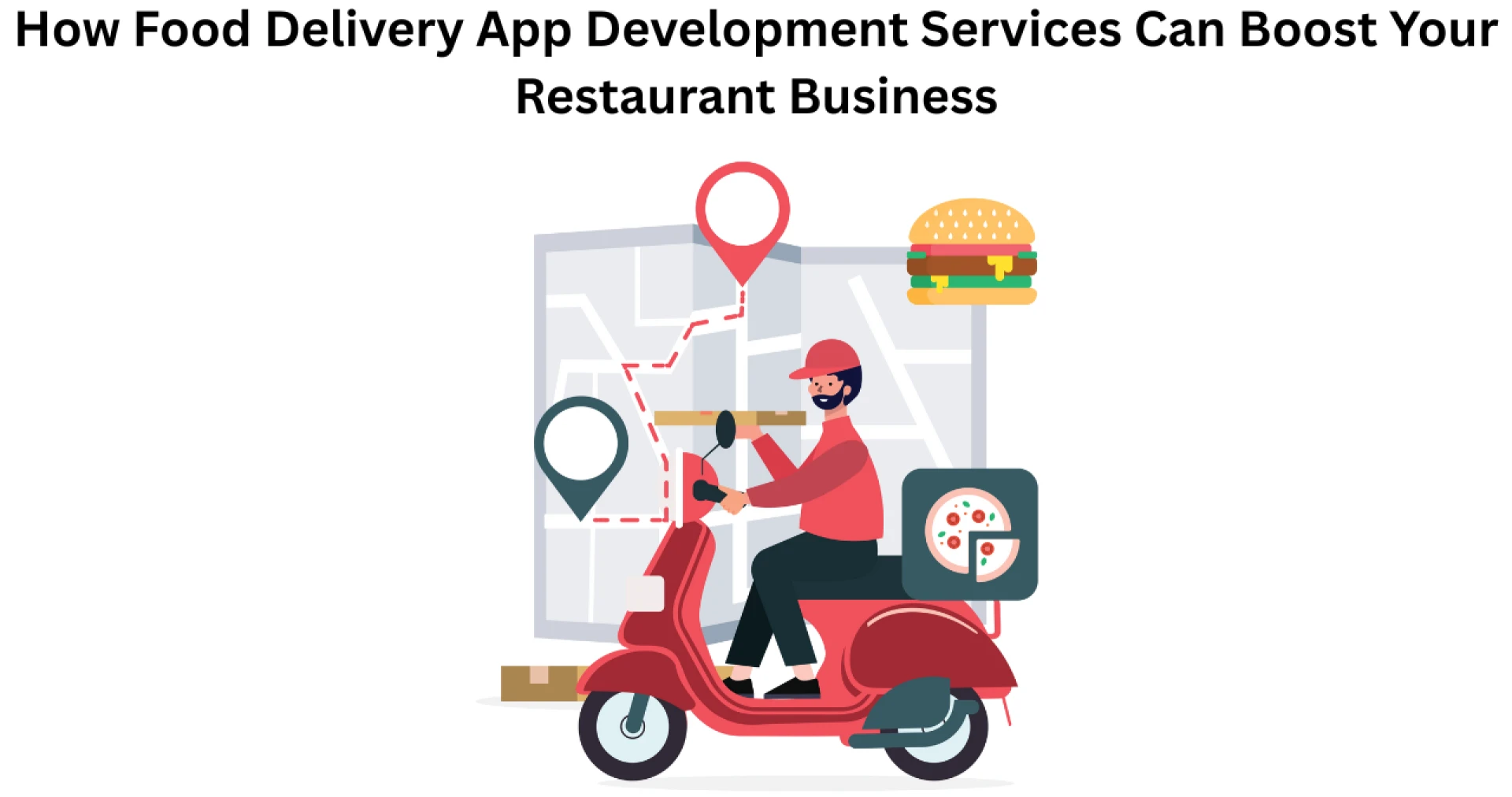

The food industry has evolved rapidly, with customers increasingly relying on mobile apps for ordering meals from their favorite restaurants. To stay competitive, restaurants and cloud kitchens are investing in food delivery app development services. A professional food delivery app enables businesses to streamline operations, enhance customer experience, and increase revenue.
By leveraging advanced technology, restaurants can offer seamless ordering, real-time tracking, flexible payments, and loyalty programs. These features not only improve customer satisfaction but also provide restaurants with valuable insights to optimize their operations and marketing strategies.
Why Restaurants Need a Food Delivery App
Consumers today prioritize convenience and speed. A dedicated food delivery app gives your restaurant direct access to customers, reducing dependence on third-party aggregators. Key benefits include:
- Enhanced Brand Visibility: Your app becomes a platform for showcasing your menu, promotions, and unique offerings.
- Improved Customer Engagement: Push notifications, loyalty rewards, and personalized recommendations increase repeat orders.
- Operational Efficiency: Automate order processing, kitchen workflow, and delivery tracking.
- Higher Profit Margins: Reduce commission fees from third-party platforms and increase direct revenue.
- Data-Driven Insights: Analyze order trends, popular items, and customer preferences to refine strategies.
With professional food delivery mobile app development, businesses can maintain a competitive edge while delivering a superior customer experience.
Key Features of a Food Delivery App
Customer App Features
A user-friendly customer app is essential for engagement and retention. Important features include:
- Easy Registration and Login: One-tap sign-up via email, phone, or social media.
- Menu Browsing and Search: Filter by cuisines, price, dietary preferences, or popularity.
- Real-Time Order Tracking: Monitor preparation, dispatch, and delivery status.
- Multiple Payment Options: Support cards, wallets, UPI, and cash-on-delivery.
- Scheduled Orders: Enable pre-booking for specific delivery slots.
- Ratings and Reviews: Gather feedback to maintain service quality.
- Promotions and Loyalty Programs: Encourage repeat purchases with discounts and rewards.
Restaurant App Features
The restaurant app helps manage daily operations efficiently:
- Instant Order Notifications: Receive real-time alerts for new orders.
- Menu and Inventory Management: Update items, categories, and stock levels quickly.
- Order Status Updates: Track preparation, packaging, and delivery progress.
- Marketing Tools: Run discounts, combo offers, and loyalty campaigns.
- Analytics Dashboard: Monitor sales, customer behavior, and popular menu items.
Delivery Partner App Features
Efficient delivery is critical for customer satisfaction. Features include:
- Availability Control: Toggle online/offline status to manage workload.
- Order Acceptance: Accept or reject deliveries as per availability.
- Optimized Routes: GPS-powered navigation for faster deliveries.
- Earnings Dashboard: Track income and performance metrics.
- In-App Communication: Chat or call customers and restaurants directly.
Admin Panel Features
The admin panel provides complete control over operations:
- Central Dashboard: Monitor orders, users, and delivery partners.
- User and Partner Management: Approve, manage, or suspend accounts.
- Promotions Management: Launch campaigns, offers, and discounts.
- Payment & Commission Tracking: Automate settlements and track commissions.
- Reports and Analytics: Gain insights into revenue, order trends, and app performance.
Benefits of Partnering with a Food Delivery App Development Company
A professional food delivery app development company provides expertise in designing, building, and maintaining scalable platforms. Benefits include:
- Custom Solutions: Tailor your app to your brand, menu, and service model.
- Faster Time-to-Market: Leverage pre-built or white-label solutions for quicker launch.
- Scalable Architecture: Expand to new cities or add multiple restaurants seamlessly.
- Advanced Security: Protect sensitive customer data and ensure secure payments.
- Ongoing Support: Receive technical assistance for updates, bug fixes, and feature upgrades.
Steps to Build Your Food Delivery App
1. Define Your Business Model
Decide whether your app will be a single-restaurant platform, multi-restaurant aggregator, or cloud kitchen app. This decision influences the app architecture, features, and monetization strategy.
2. Conduct Market Research
Analyze competitors, customer preferences, popular cuisines, and delivery trends. Understanding market gaps helps design an app that offers unique features and a better user experience.
3. Plan Features and User Flow
Create wireframes and map the customer journey from browsing menus to checkout. A smooth UX ensures customer retention and reduces order abandonment.
4. Choose the Right Technology Stack
Select reliable technologies for app development. Mobile apps may use Flutter, React Native, Swift, or Kotlin, while backend development can rely on Node.js, Laravel, or Python. Databases like MySQL or MongoDB ensure stable operations.
5. Develop and Test the App
Build the front-end, back-end, integrate APIs, and set up payment gateways. Conduct functional, performance, usability, and security testing to ensure a bug-free experience.
6. Launch and Monitor
Deploy your app on Android and iOS platforms. Track key metrics like order volume, customer acquisition, app usage, and ratings. Continuously refine features to improve performance and engagement.
Read More: Launch an On-Demand Food Delivery App to Grow Your Restaurant Business
Monetization Strategies for Your App
A food delivery app can generate revenue through multiple channels:
- Commission on Orders: Charge restaurants a percentage per order.
- Delivery Charges: Collect fees from customers for convenience.
- Subscription Plans: Offer premium services for customers or partner restaurants.
- Promoted Listings and Ads: Highlight restaurants for higher visibility.
- Service Fees: Additional charges for priority or express delivery.
A diversified monetization model ensures consistent revenue growth and profitability.
Advantages of White-Label or Clone Solutions
Many businesses prefer white-label or clone app solutions because they offer:
- Pre-Built Features: Ready-to-launch core functionalities.
- Custom Branding: Adapt the app to match your restaurant’s identity.
- Faster Launch: Save time compared to custom development.
- Cost-Effective: Reduce development and maintenance costs.
- Scalable Infrastructure: Easily add restaurants, cities, or delivery partners.
White-label solutions are ideal for startups seeking quick market entry with minimal risk.
Conclusion
Investing in food delivery app development services is essential for restaurants and cloud kitchens aiming to grow in the competitive digital era. A branded mobile app streamlines operations, enhances customer satisfaction, and increases revenue while providing valuable insights for business optimization. Partnering with an experienced food delivery app development company ensures a scalable, secure, and feature-rich platform that positions your business for long-term success.
FAQs
What is a food delivery app?
A food delivery app allows customers to order meals from restaurants and cloud kitchens with real-time tracking, multiple payment options, and loyalty rewards.
How long does it take to develop a food delivery app?
Custom apps may take 4–6 months, while white-label or clone solutions can launch within 3–6 weeks.
What features are essential for a food delivery app?
Features include user registration, menu browsing, real-time tracking, payments, ratings, reviews, promotions, and an admin panel.
How can a food delivery app help restaurants increase revenue?
It boosts orders, improves customer retention, reduces third-party fees, automates operations, and enables promotional campaigns.
Should I choose custom development or a white-label solution?
White-label apps are ideal for quick launch and lower cost, while custom development suits businesses needing advanced features and full control.

























Sign in to leave a comment.