

Food safety is a fundamental concern for consumers, manufacturers, retailers, and regulatory authorities. Every stage of the food supply chain, from raw material sourcing to processing, packaging, transportation, and storage, can introduce potential contamination risks. Contaminated food can affect consumer health, damage brand reputation, result in product recalls, and create significant financial and regulatory consequences.
This is why food testing plays an essential role in modern food quality and safety management. Laboratory analysis allows manufacturers to identify potentially harmful microorganisms, chemicals, toxins, heavy metals, pesticides, allergens, and other contaminants before food products reach consumers.
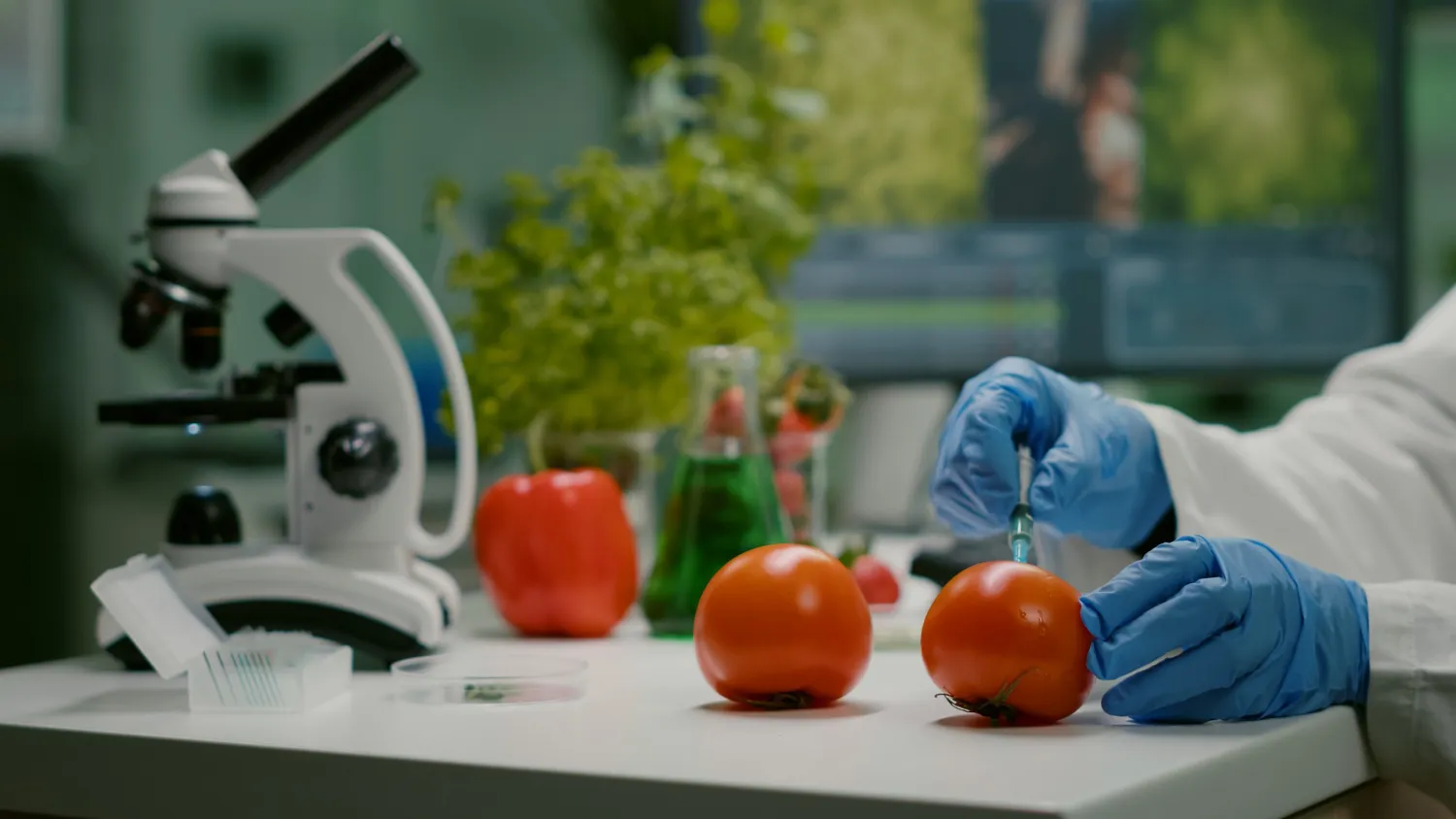
A professional food testing lab uses validated analytical methods, specialized equipment, trained food technologists, and controlled laboratory procedures to evaluate food samples. These laboratories can provide objective information about the safety, quality, composition, and compliance of food products.
What Is Food Testing?
Food testing is the scientific examination of food products and raw materials to determine their safety, quality, composition, and suitability for consumption or commercial distribution.
Depending on the product and its intended use, testing can cover several areas, including:
- Microbiological contamination
- Chemical contaminants
- Pesticide residues
- Heavy metals
- Mycotoxins
- Food additives
- Allergens
- Nutritional composition
- Adulteration
- Physical characteristics
- Shelf life and stability
- Product-specific quality parameters
The testing process generally begins with representative sample collection. Samples are transported and handled under controlled conditions before being analyzed using appropriate laboratory methods.
The objective is not simply to determine whether a product "passes" or "fails." Laboratory testing generates scientific data that manufacturers can use to understand product quality, identify risks, improve processes, and meet applicable requirements.
Why Is Food Contamination a Major Concern?
Food contamination can occur at almost any point in the supply chain.
Raw materials may contain naturally occurring contaminants or residues from agricultural practices. Processing environments can introduce microorganisms, while improper storage can create conditions that allow microbial growth or chemical deterioration.
Common contamination sources include:
- Contaminated raw materials
- Poor hygiene practices
- Unsafe water
- Improper food handling
- Cross-contamination
- Agricultural chemical residues
- Environmental pollutants
- Inadequate storage conditions
- Poorly maintained processing equipment
- Incorrect use of food additives
Some contaminants may be visible, but many cannot be detected through appearance, smell, or taste alone.
Laboratory testing is therefore important because it can identify contaminants at levels that may not be apparent through routine visual inspection.
How a Food Testing Lab Detects Contaminants
A professional food testing laboratory uses different analytical techniques depending on the contaminant being investigated.
The testing process generally involves several stages.
1. Sample Collection
Accurate testing begins with representative sampling. A laboratory sample should appropriately represent the batch or product being evaluated.
Improper sampling can affect the reliability of the final result, which is why sample handling and preparation are important components of laboratory testing.
2. Sample Preparation
Before analysis, the sample may need to be homogenized, extracted, diluted, filtered, or otherwise prepared.
Different contaminants require different preparation procedures. For example, microbiological testing involves preparing samples under controlled conditions suitable for detecting microorganisms, while chemical analysis may require extraction and purification.
3. Analytical Testing
The prepared sample is then analyzed using an appropriate method.
Depending on the test, laboratories may use techniques such as chromatography, spectroscopy, microbiological culture methods, immunological methods, or other analytical procedures.
4. Result Interpretation
The laboratory reviews the analytical data and reports the findings according to the applicable test method and reporting requirements.
Results can then be compared with relevant specifications, regulatory requirements, or customer-defined criteria.
Microbiological Testing for Food Contaminants
Microorganisms are among the most important food safety hazards.
Certain bacteria, yeasts, molds, and other microorganisms can cause food spoilage or foodborne illness.
A food analysis laboratory may perform microbiological testing to detect or quantify microorganisms relevant to a particular product.
Depending on the food category, microbiological analysis may include testing for:
- Total viable counts
- Coliforms
- Escherichia coli
- Salmonella
- Staphylococcus aureus
- Yeast and mold
- Other specified microorganisms
The exact tests required depend on the food product, applicable standards, processing method, and intended use.
Microbiological testing can help manufacturers identify hygiene problems, assess processing effectiveness, monitor product quality, and support food safety programs.
Chemical Contaminant Testing
Not all food contaminants are biological. Chemical contaminants can also enter food through agricultural practices, environmental exposure, processing, storage, packaging, or other sources.
A food analysis lab may test for various chemical contaminants, depending on the product and risk profile.
These can include:
- Pesticide residues
- Heavy metals
- Mycotoxins
- Veterinary drug residues
- Process contaminants
- Undesirable chemical substances
- Excessive or unauthorized additives
Advanced analytical instruments allow laboratories to detect and quantify specific substances at low concentrations.
For manufacturers, this information can be useful for raw material qualification, supplier monitoring, process control, and finished-product verification.
Pesticide Residue Testing
Agricultural products can potentially contain residues from pesticides used during cultivation.
Pesticide residue testing evaluates food samples for specified pesticide compounds and their residues.
This type of testing can be particularly relevant for:
- Fruits
- Vegetables
- Grains
- Pulses
- Spices
- Tea
- Other agricultural commodities
A laboratory may use advanced chromatographic techniques to identify and quantify pesticide residues.
Testing can provide manufacturers, processors, exporters, and other supply-chain participants with information about the chemical profile of their products and help them address applicable requirements.
Heavy Metal Testing in Food
Heavy metals can enter the food chain through environmental sources, agricultural inputs, water, processing equipment, or other pathways.
Depending on the food product and applicable requirements, testing may examine metals such as:
- Lead
- Cadmium
- Arsenic
- Mercury
- Other specified elements
A food testing laboratory can use appropriate analytical techniques to determine the concentration of targeted metals in a food sample.
Regular testing of relevant raw materials and finished products can help businesses monitor potential contamination risks and maintain appropriate quality-control systems.
Mycotoxin Testing
Mycotoxins are naturally occurring toxic substances produced by certain fungi. They can develop in agricultural commodities under favorable environmental conditions.
Certain grains, nuts, spices, and other agricultural products may require mycotoxin evaluation depending on the product and risk profile.
A laboratory can use appropriate analytical methods to detect and quantify specific mycotoxins.
Testing can be particularly important when raw materials are sourced from regions or supply chains where fungal contamination is a known risk.
Food Adulteration Testing
Food adulteration is another area where laboratory analysis can provide valuable information.
Adulteration may involve the substitution, addition, removal, or manipulation of ingredients in ways that affect product identity, quality, safety, or composition.
Depending on the food category, laboratory analysis may be used to investigate parameters associated with authenticity and adulteration.
Examples can include testing of:
- Milk and dairy products
- Edible oils
- Spices
- Honey
- Grains
- Pulses
- Beverages
- Processed foods
Laboratory results can help manufacturers and businesses verify product quality and investigate suspected adulteration.
Nutritional and Compositional Analysis
Food laboratories do not only test for harmful contaminants. They can also analyze nutritional and compositional characteristics.
A food analysis laboratory may evaluate parameters such as:
- Protein
- Fat
- Carbohydrates
- Dietary fiber
- Moisture
- Ash
- Energy value
- Vitamins and minerals, where applicable
This information can support product development, quality control, labeling, and nutritional evaluation.
Compositional testing can also help manufacturers maintain consistency between production batches.
The Role of Food Testing Services in Quality Control
Professional food testing services can be integrated into several stages of a manufacturer's quality-control program.
Testing can be conducted on:
- Incoming raw materials
- Ingredients
- In-process materials
- Finished products
- Imported products
- Export products
- Products involved in customer complaints
- Products undergoing shelf-life studies
Testing frequency depends on the product, manufacturing process, risk assessment, quality system, and applicable requirements.
A structured testing program can help businesses identify trends and potential problems before they become larger quality or safety issues.
Choosing the Right Food Testing Service Labs
When selecting food testing service labs, businesses should consider more than just the number of tests available.
Important factors include:
Technical Expertise
The laboratory should have experienced food technologists and analysts who understand the relevant food categories and analytical requirements.
Testing Capabilities
The laboratory should have appropriate facilities and equipment for the required microbiological, chemical, nutritional, or physical tests.
Quality Assurance
Strong QA/QC procedures are essential for generating reliable and scientifically valid results.
Turnaround Time
Timely results can be particularly important for manufacturers working with production schedules, product release deadlines, and supply-chain requirements.
Traceability
A robust laboratory information management system can help maintain sample traceability and reduce the risk of administrative errors.
Regulatory Understanding
The laboratory should understand applicable food safety and quality requirements and be able to perform relevant tests using appropriate methods.
Why Food Testing Should Be Part of Product Development
Food testing should not necessarily begin only after a product reaches the final production stage.
Testing can be incorporated into product development from the beginning.
For example, manufacturers can use laboratory analysis to:
- Evaluate raw materials.
- Compare ingredient suppliers.
- Assess prototype formulations.
- Monitor production processes.
- Verify finished products.
- Investigate shelf-life performance.
- Support labeling information.
- Investigate quality deviations.
- Monitor potential contamination.
- Support market-release decisions.
Early testing can help identify issues while there is still an opportunity to modify the formulation, ingredients, process, or packaging.
Technology in Modern Food Analysis
Modern food analysis services increasingly rely on advanced laboratory instruments and digital systems.
Analytical technologies can provide highly sensitive and specific measurements, while laboratory information management systems can improve sample tracking, workflow management, documentation, and reporting.
Digital traceability is particularly valuable when laboratories process large numbers of samples. It can help laboratories maintain records throughout the testing process and provide greater visibility into sample status and results.
Automation can also reduce manual intervention in laboratory workflows while supporting consistency and operational efficiency.
How Food Testing Supports Consumer Confidence
Food safety is closely connected to consumer trust.
Consumers expect food manufacturers to provide products that are safe, consistent, and accurately represented. Laboratory testing provides manufacturers with scientific data that can support these objectives.
For businesses, consistent testing can contribute to:
- Better quality management
- Improved supplier control
- Reduced contamination risks
- More consistent products
- Evidence-based decision-making
- Regulatory compliance
- Customer confidence
However, laboratory testing is one component of a broader food safety system. Effective hygiene practices, process controls, sanitation, supplier management, storage controls, and appropriate food safety systems remain essential.
Conclusion
Contaminants in food can originate from numerous sources, and many cannot be identified through visual inspection alone. This makes laboratory analysis an important part of modern food safety and quality management.
A professional food testing lab can evaluate food products for microbiological, chemical, nutritional, and other quality parameters. From pesticide residues and heavy metals to microorganisms, mycotoxins, and adulteration, laboratory testing provides scientific data that can help businesses identify potential risks and make informed decisions.
For businesses seeking reliable food testing services, food analysis services, and comprehensive laboratory support, Qualitek Labs is one option to consider. With 6+ years of testing excellence and a team of experienced professionals, Qualitek Labs provides a broad range of food testing solutions designed to support businesses from product development through market release.
With regulatory recognitions, advanced facilities, and experienced food technologists, Qualitek Labs can support businesses with testing requirements across different stages of the product lifecycle. Its focus on scientifically validated results and quality processes can help businesses obtain dependable analytical information for their products.
Qualitek Labs is also powered by eLABSS LIMS, an operational software platform designed to enable automated process flow and traceability. Its QA/QC protocols are designed to ensure that results are scientifically validated and delivered within the specified turnaround time (TAT).
Whether a business requires raw material evaluation, finished-product testing, contamination analysis, nutritional analysis, or other specialized food testing, selecting a laboratory with appropriate technical capabilities and quality systems is essential.
Ultimately, effective food safety depends on a combination of preventive controls and reliable analytical verification. By partnering with capable food testing service labs and incorporating testing into their quality-management processes, food businesses can make better-informed decisions and work toward delivering safe, consistent, and high-quality products to consumers.
Frequently Asked Questions
1. What does a food testing lab test for?
A food testing lab can test food products for a wide range of parameters, including microorganisms, pesticide residues, heavy metals, mycotoxins, allergens, nutritional composition, additives, adulteration, moisture, and other product-specific characteristics. The tests selected depend on the type of food and its intended application.
2. Why is food testing important for manufacturers?
Food testing helps manufacturers evaluate product safety, quality, consistency, and composition. Laboratory results can support quality control, supplier evaluation, product development, regulatory requirements, and decisions related to releasing products into the market.
3. How are contaminants detected in food?
The detection method depends on the type of contaminant. Microbiological contaminants may be evaluated using culture or other appropriate microbiological methods, while chemical contaminants may be analyzed using techniques such as chromatography, spectroscopy, or other validated analytical methods.
4. What is the difference between a food testing laboratory and a food analysis laboratory?
The terms are often used interchangeably, although "food testing laboratory" generally emphasizes testing food against specified safety, quality, or compliance parameters, while "food analysis laboratory" can refer more broadly to analytical evaluation of food composition, contaminants, nutritional characteristics, and other properties.
5. How can businesses choose the right food testing laboratory?
Businesses should consider the laboratory's technical expertise, available testing capabilities, equipment, quality-control procedures, reporting practices, turnaround time, traceability systems, and experience with the relevant food category. It is also important to identify the required tests and applicable standards before selecting a laboratory.























Sign in to leave a comment.