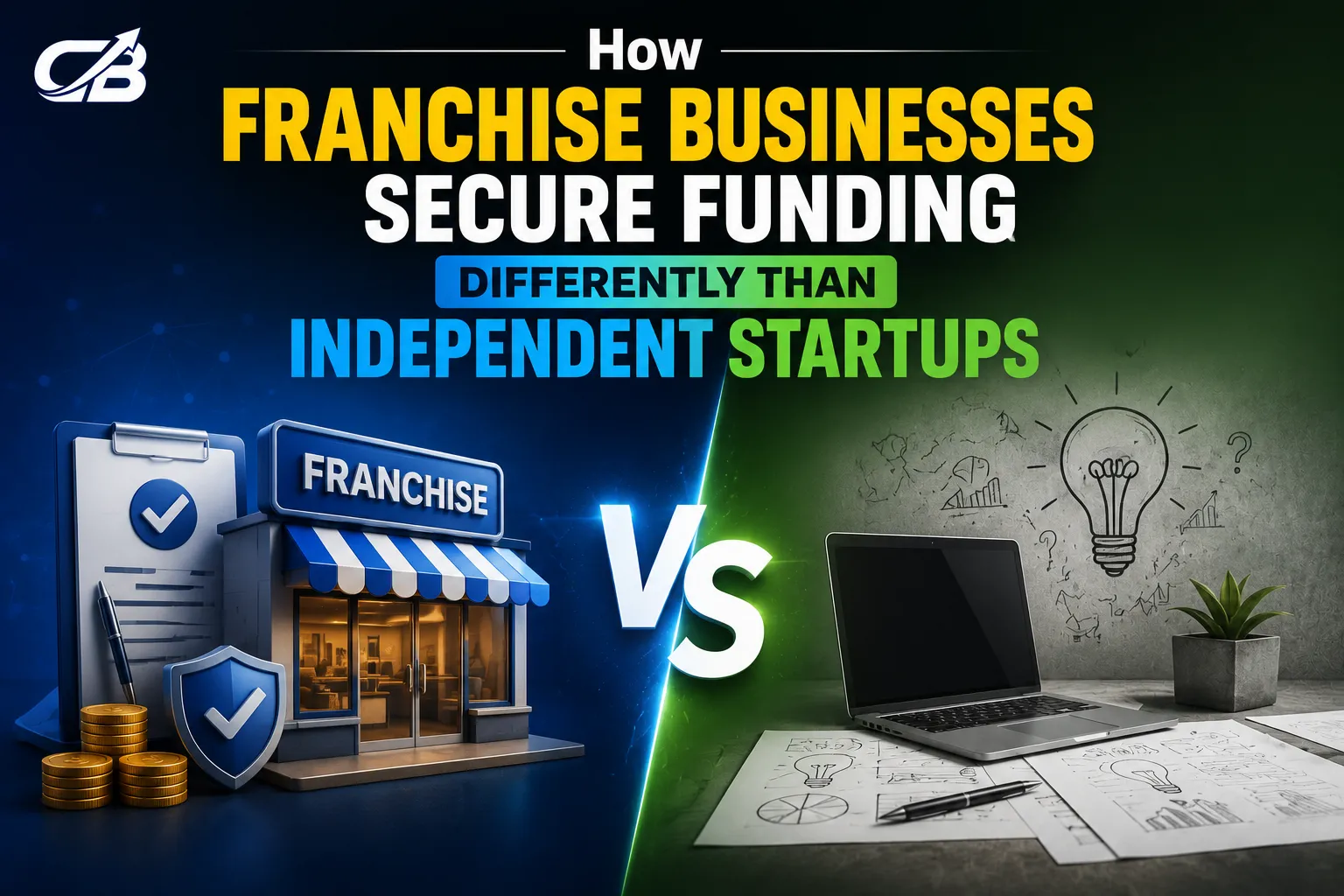


A relative of mine looked into opening a franchise outlet last year and assumed the funding process would mirror what he'd seen friends go through with independent startups. It didn't franchise financing runs on a noticeably different logic, and understanding that difference upfront saves a lot of wasted applications to the wrong type of lender.
Why Franchises Get Evaluated Differently
An independent startup is an unknown quantity, no track record, no proven model, and the lender is essentially betting on the founder and the idea together. A franchise, by contrast, comes with an existing brand, an established operating model, and often performance data from other franchise locations. Lenders treat this as meaningfully reduced risk, which changes both what they ask for and what they're willing to offer.
What Lenders Actually Look At for Franchise Funding
The franchisor's track record, not just yours. Established, well-known franchise brands with a strong track record of successful locations make lenders considerably more comfortable, sometimes even enabling pre-negotiated lending arrangements between certain banks and certain franchise brands.
The franchise agreement itself. Lenders want to see the terms — royalty fees, territory rights, contract length since these directly affect the unit's long-term profitability and your ability to repay.
Franchise-specific financial projections are often provided or heavily guided by the franchisor rather than built from scratch, since the franchisor typically has real performance data from existing locations to base projections on.
Your personal financial background still matters, particularly for a first-time franchisee, since some franchisors and lenders want assurance you can absorb early operating costs even if the location takes time to hit projected revenue.
Compared to Independent Startup Funding
An independent business, by contrast, typically requires:
- A from-scratch business plan and financial projections, since there's no comparable track record to lean on
- Greater scrutiny of the founder's background and industry experience specifically
- Often smaller initial loan approvals until the business has demonstrated some real revenue history
- More reliance on personal credit and sometimes collateral, since there's less institutional confidence in the model itself
Comparing how banks and NBFCs each evaluate risk differently is useful context here : franchise funding often flows more naturally through traditional banks specifically because the reduced-risk profile fits well with their more conservative underwriting standards, whereas NBFCs sometimes remain the more realistic option for independent, from-scratch startups without an established brand behind them.
Where the Funding Actually Comes From
Franchisor financing programs. Some larger franchise brands have direct financing arrangements or partnerships with specific lenders, occasionally offering better terms than you'd get by applying independently.
Standard business loans. A regular business loan remains viable for franchise funding, particularly once you can present the franchise agreement and franchisor-backed projections as supporting documentation.
SBA-style or government-backed schemes (where applicable), since franchises with an established operating history sometimes qualify more easily for schemes aimed at reducing lender risk on newer businesses.
What to Prepare Before Applying
- The full franchise disclosure document and agreement.
- Franchisor-provided financial performance representations, if available.
- Your personal financial statements and credit history.
- A clear estimate of total investment required, including the franchise fee, buildout costs, and initial working capital.
If you're weighing whether a franchise or an independent venture fits your situation better, it's worth exploring business loan options tailored to your specific structure, since the right lender and loan type genuinely differ between the two paths.
My relative ended up going through a bank that had an existing relationship with his chosen franchise brand approval took roughly half the time it would have for a from-scratch business loan, purely because the franchisor's track record did a lot of the underwriting work for him.
Frequently Asked Questions
What are the main differences between franchise financing and independent startup funding?
Franchise financing typically relies on the established brand and operating model of the franchise, making it a lower risk for lenders. In contrast, independent startups lack a proven track record, requiring more scrutiny of the founder's background and a fully developed business plan.
How does a franchisor's track record affect financing options?
A franchisor's strong track record makes lenders more comfortable, often resulting in better financing terms and pre-negotiated arrangements with banks. This existing performance data can significantly streamline the funding process for franchisees.
What kind of documentation do I need to apply for franchise funding?
You'll need the full franchise disclosure document, the franchise agreement, franchisor-provided financial performance representations, and your personal financial statements. Additionally, an estimate of the total investment required, including franchise fees and initial working capital, is essential.
Can I get a business loan for a franchise like I would for an independent startup?
Yes, you can obtain a regular business loan for a franchise, especially if you present the franchise agreement and franchisor-backed financial projections. However, lenders may view franchised businesses as lower risk compared to independent startups, which can lead to different loan terms.
What factors do lenders consider when evaluating franchise funding applications?
Lenders assess the franchisor's track record, the terms of the franchise agreement, and your personal financial background. They look for established brands with proven success, as this reduces perceived risk compared to independent startups.
Are there specific financing programs for franchises?
Yes, some larger franchise brands have direct financing arrangements with lenders that can offer better terms than traditional loans. Additionally, franchises with a solid operating history may qualify for government-backed loan schemes designed to reduce lender risk.
How quickly can I expect approval for franchise financing compared to independent business loans?
Approval for franchise financing can be significantly faster, often taking half the time of independent business loans. This is largely due to the franchisor's established track record that simplifies the underwriting process for lenders.



























Sign in to leave a comment.