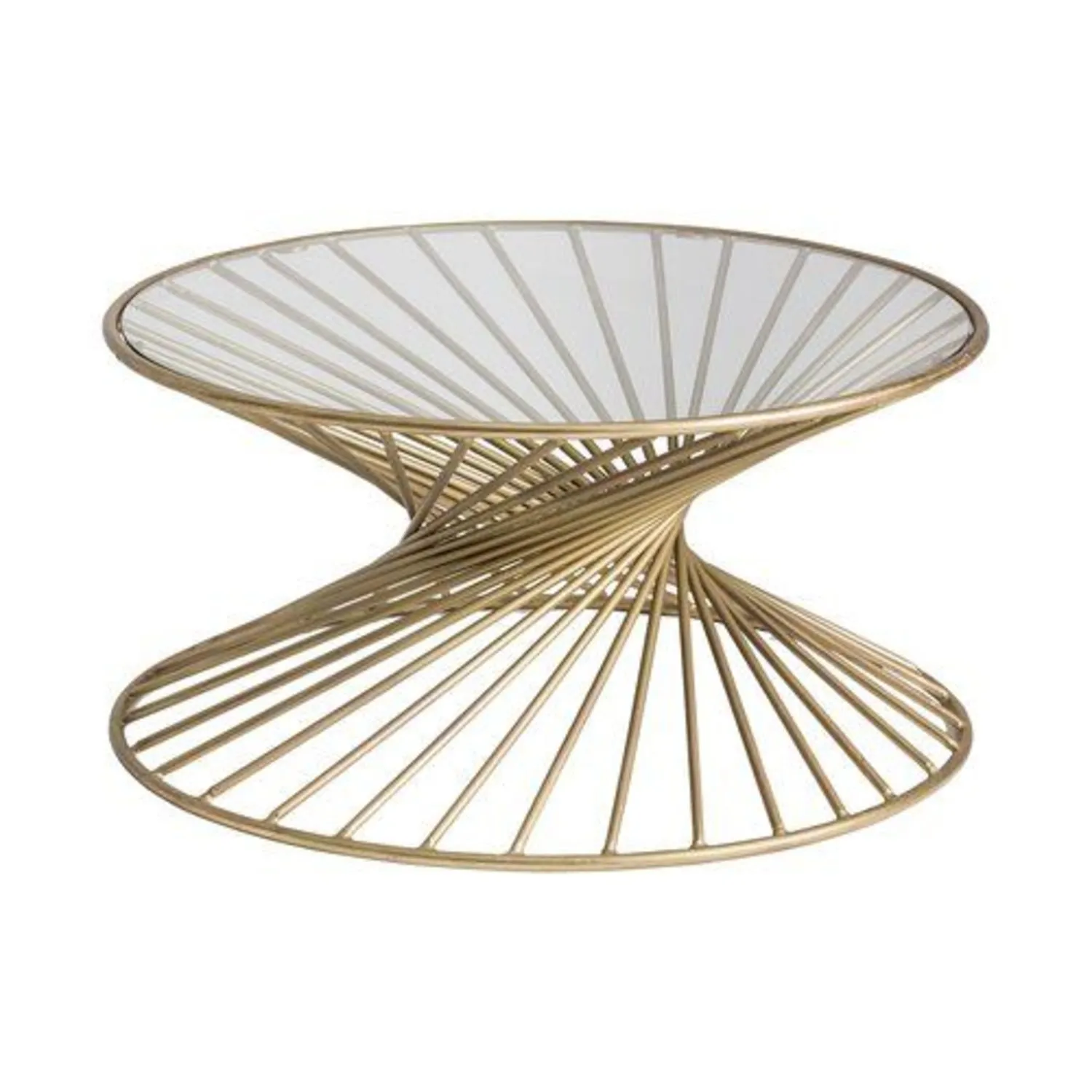

International furniture buying is becoming more detailed than simply finding products at a suitable price. Retailers, wholesalers, interior businesses and private label brands are looking at product design, materials, customization, quality and production support before starting a new collection.
For many businesses, furniture is also part of their wider brand identity. The products need to match customer expectations while remaining practical for the market where they will be sold.
This makes planning an important part of the buying process. A clear sourcing plan can help businesses understand what they need before approaching manufacturers.
Why Should Buyers Plan Their Product Requirements First?
Before contacting a supplier, buyers should have a basic understanding of the products they want to source. This does not mean every detail needs to be final from the beginning.
However, having a clear idea about product type, approximate dimensions, materials, finish and expected quantity can make initial discussions much easier.
For example, a retailer developing a new collection may already know that the products need to fit a particular interior style. An importer may be more focused on product durability and packaging. A hospitality business may have specific size and functionality requirements.
Different businesses therefore need different sourcing approaches.
What Product Details Should Be Discussed With a Supplier?
Once the basic collection idea is clear, buyers can prepare the important product information.
This can include:
• Product dimensions
• Material preferences
• Colour and finish
• Expected quantity
• Intended use
• Design references
• Packaging requirements
• Target delivery schedule
Reference photographs can also be useful when discussing a particular design. They give the manufacturer a visual understanding of what the buyer has in mind.
Clear information at this stage can reduce unnecessary changes later. It also gives both sides a better understanding of what is practical for production.
How Can Buyers Develop a More Consistent Collection?
A collection usually works better when its products have some connection with each other.
This does not mean every product needs to look identical. Instead, buyers can maintain certain common elements such as materials, finishes, colours or design details.
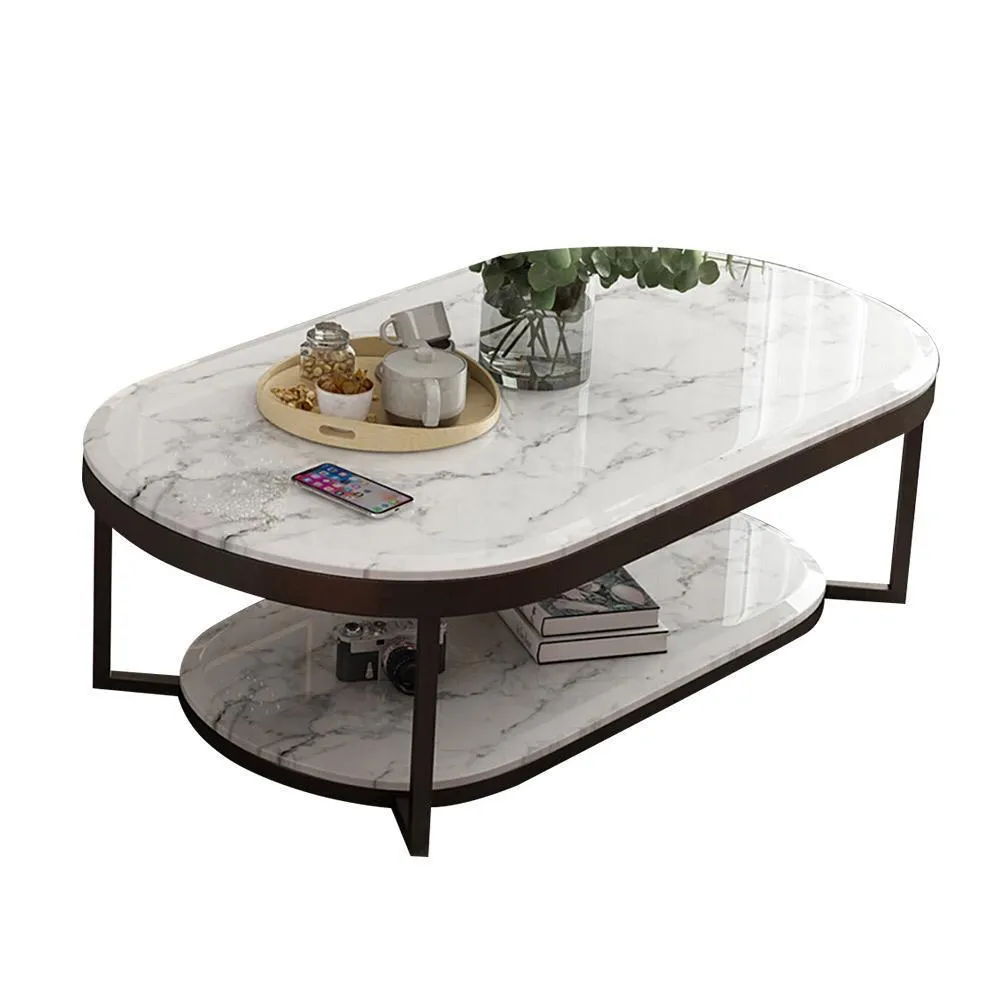
For example, a retailer may develop tables, consoles and storage furniture using related materials and finishes. This can create a more connected appearance across the collection.
Consistency can also make future product development easier. Once certain materials and finishes have been approved, they can potentially be used as references for additional products.
Why Is Customization Useful for B2B Furniture Buyers?
B2B buyers often have requirements that cannot be completely fulfilled through standard catalogue products.
A retailer may need a different size. An interior business may require a specific finish. A hospitality project may need furniture designed around a particular space.
Customization gives businesses more flexibility when developing these products.
However, buyers should discuss customization before production starts. They should understand which elements can be changed and whether those changes affect sampling, quantity requirements or production timelines.
A clear discussion helps the manufacturer understand the actual requirement instead of making assumptions.
How Important Is Material Selection?
Material selection can influence the appearance, durability and overall character of furniture.
Buyers should consider how the product will be used and what type of environment it will be placed in. Furniture for a commercial space may have different requirements from furniture designed for residential interiors.
The finish also deserves attention. Matte, polished, textured or antique finishes can create very different visual results even when the basic furniture design remains the same.
For this reason, material and finish discussions should happen before final production specifications are approved.
What Should Buyers Consider Before Placing a Bulk Order?
A bulk order should ideally be based on clear product information and an agreed production reference.
Buyers can review the following points before confirming an order:
• Product specifications
• Material and finish
• Sample approval
• Quantity
• Packaging
• Production timeline
• Quality expectations
• Delivery requirements
Sample approval can be particularly useful for new products. It allows the buyer to review the actual furniture before moving forward with larger quantities.
Once the sample is approved, the specifications can be documented for production and future repeat orders.
How Can Businesses Evaluate a Furniture Manufacturer in India?
Businesses sourcing from India can find manufacturers working across different furniture categories and materials. However, buyers should look beyond photographs and product variety when evaluating a supplier.
Production capabilities, quality control, customization support, communication and experience with international orders can all be discussed during the initial conversation.
It is also useful to understand whether the manufacturer can support future product development. A supplier that can work on new designs and repeat orders may fit better with businesses planning long term collections.
Companies exploring Indian furniture sourcing can also review the HF Handicrafts product collection to see the range of furniture and related handcrafted products available for international buyers.
How Can Current Furniture Sourcing Trends Affect New Collections?
Furniture buying decisions are influenced by changing customer expectations. Buyers are paying attention to flexible designs, durable products, customization and material choices while planning collections for different markets.
These changes can influence which products businesses decide to introduce and how they work with manufacturers.
The latest furniture sourcing trends for global B2B buyers provide additional information about the factors shaping furniture sourcing decisions in 2026.
Understanding these trends can help businesses ask more relevant questions when discussing new products with manufacturers.
Build a Practical Sourcing Process
A successful furniture order usually starts before the purchase order is placed.
Businesses can begin by defining their product requirements, identifying their target customers and preparing basic specifications. They can then discuss materials, finishes, customization, samples, quantities and packaging with potential manufacturers.
This process gives buyers a clearer way to compare suppliers based on their actual requirements.
It can also make future orders easier because approved product specifications can be maintained as a reference.
Think Beyond a Single Furniture Order
For many businesses, furniture sourcing is part of a long term product strategy. A successful product can lead to repeat orders, new variations and additional collection development.
This is why communication and documentation matter throughout the sourcing process.
When buyers and manufacturers have a clear understanding of product requirements, it becomes easier to manage changes and develop new products over time.
A structured sourcing approach can therefore help businesses move from simply purchasing furniture to building collections that are suitable for their specific markets.
Frequently Asked Questions
What information should I provide to a furniture manufacturer?
Buyers should provide product references, approximate dimensions, material preferences, finishes, quantities and any specific customization requirements.
Should I approve a sample before placing a bulk order?
For new or customized products, sample approval can help buyers check the actual dimensions, construction, materials and finish before larger production begins.
Can furniture collections be customized for different markets?
Yes. Depending on the manufacturer's capabilities, products can be developed around different dimensions, materials, finishes and design requirements.
Why is material selection important when sourcing furniture?
Material selection can affect the product's appearance, durability, functionality and suitability for its intended environment.
What should I discuss before starting a long term sourcing relationship?
Buyers should discuss product requirements, quality standards, customization, production capacity, packaging, timelines, communication and repeat order expectations.

























Sign in to leave a comment.