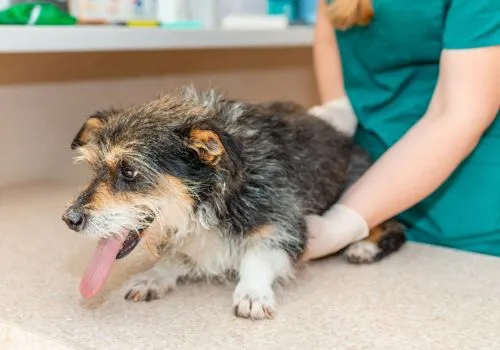

You know your pet’s normal rhythm. The way they jump on the couch, settle into sleep, greet you at the door, or hesitate for half a second before climbing the stairs. When that rhythm changes, even a little, it gets under your skin fast. You may be wondering if it is aging, a minor strain, or something that hurts more than your pet can show. If you are looking for veterinary in Kanata, ON, it may help to have your pet evaluated early.
Pain in animals is easy to miss because many pets hide it well. A dog may still wag its tail and eat dinner while dealing with sore joints. A cat may stop grooming, crouch more, or avoid being picked up, and that can look like “mood” when it is really discomfort. The core issue is simple. Pets feel pain; they often mask it, and general veterinarians manage pain in pets by combining careful exams, medical treatment, home changes, and follow-up that adjusts as the pet’s condition changes.
General veterinarians treat pet pain by looking for subtle changes
Most pain plans start with observation, not medication. A general veterinarian looks at movement, posture, breathing, appetite, sleep, and behavior. Limping is obvious. Restlessness, hiding, panting, stiffness after rest, licking one spot, or snapping when touched can be just as meaningful. Cornell’s guide to recognizing pain in dogs shows how often the signs are behavioral before they are dramatic.
That matters because treatment depends on the cause. Arthritis pain is managed differently from post-surgery pain. A dental infection, a torn nail, back pain, pancreatitis, or bladder inflammation may all show up as “my pet is acting off.” If the cause is missed, pain relief may be incomplete or unsafe.
This is where a general veterinarian pain management for pets approach helps. Your vet is not just trying to quiet symptoms. They are figuring out what hurts, how much it hurts, and what your pet’s body can safely handle.
Pain management in veterinary care often uses more than one tool
There is no single pain medicine that fits every pet. General veterinarians usually build a plan around the pet’s age, diagnosis, weight, liver and kidney health, and daily function. That plan may include prescription pain relievers, anti-inflammatory drugs, short-term rest, weight control, joint support, cold or heat therapy, and changes at home like rugs for traction or steps to the bed.
Nonsteroidal anti-inflammatory drugs are common for dogs with orthopedic pain and arthritis, but they are not casual over-the-counter fixes. Cornell’s NSAID medication guide for animals explains why dosing, monitoring, and follow-up matter. Human pain medicines can be dangerous or fatal to pets, even when the dose seems small.
Some pets need layered treatment. An older dog with arthritis may do better with an NSAID, a joint-friendly exercise plan, nail trimming for balance, and weight loss that takes pressure off painful joints. A cat recovering from dental work may need short-term pain medication, softer food, and a quiet recovery area. This is how pain management for pets usually works in real life. It is adjusted, not guessed.
Delaying veterinary pain care can make recovery harder
When pain goes untreated, pets often move less, eat less, sleep poorly, and become weaker. That can start a rough cycle. Less movement leads to muscle loss. Muscle loss makes joints less stable. Less stability causes more pain. In cats, hiding pain can delay care until the problem has advanced. In dogs, owners sometimes assume slowing down is just age, when it is actually treatable discomfort.
There is also the money side of this, and that stress is real. Many owners hope a limp or stiffness will pass in a few days because they are trying to avoid a bigger bill. Sometimes rest does help. Sometimes waiting turns a manageable problem into imaging, emergency treatment, or a longer course of medication. A general vet often saves time, money, and suffering by catching the problem earlier.
Home monitoring and veterinary treatment work best together
Your notes help more than you may think. If you can tell your vet when the pain started, whether it is worse in the morning, if your pet slips on floors, refuses stairs, cries when lying down, or stops doing one favorite thing, that creates a clearer picture. Short videos of walking, standing, or getting up from bed can be useful, especially when pets act differently at the clinic.
| Approach | What It Can Help With | Main Limits or Risks |
| Home observation only | Spotting early behavior changes, tracking appetite, sleep, mobility | Cannot diagnose the cause, easy to miss worsening pain |
| Home comfort changes | Better traction, easier rest, less strain from stairs or jumping | Helps support recovery but does not replace medical treatment |
| Veterinary exam | Finding the source of pain, checking joints, spine, mouth, abdomen, injury | May need tests for a full diagnosis |
| Prescription pain medication | Reducing inflammation and discomfort, improving movement and rest | Needs correct dosing and monitoring; some pets are not good candidates |
| Human pain medicine at home | None recommended without veterinary guidance | Toxicity risk, stomach ulcers, kidney damage, delayed proper care |
Small steps can help your pet today
Track the changes you are seeing. Write down when the behavior started, what makes it better or worse, and whether appetite, sleep, stairs, jumping, bathroom habits, or mood have changed. Video is even better. That gives a general veterinarian something concrete to assess.
Make movement easier at home. Put down rugs on slick floors, raise food bowls if bending hurts, block access to steep stairs if they are struggling, and create a soft, easy-to-reach resting spot. These changes do not cure pain, but they lower daily strain.
Do not give human pain medicine. Call a veterinary clinic before offering anything from your own medicine cabinet. The safest pet pain treatment plan is the one built for your animal’s size, species, health history, and actual diagnosis.
Steady veterinary care gives pets the best chance at comfort
If your pet seems quieter, stiffer, less social, or less willing to do normal things, trust that instinct. You are not overreacting. Pain often shows up in small ways before it becomes obvious, and a general veterinarian can sort out what is temporary, what needs treatment, and how to keep your pet comfortable without taking unnecessary risks.
Relief usually comes from a mix of good observation, the right diagnosis, and a plan that can change as your pet changes. That is the heart of how general veterinarians manage pain in pets. If you are seeing signs that do not feel normal, schedule a veterinary visit and get your pet assessed soon.























Sign in to leave a comment.