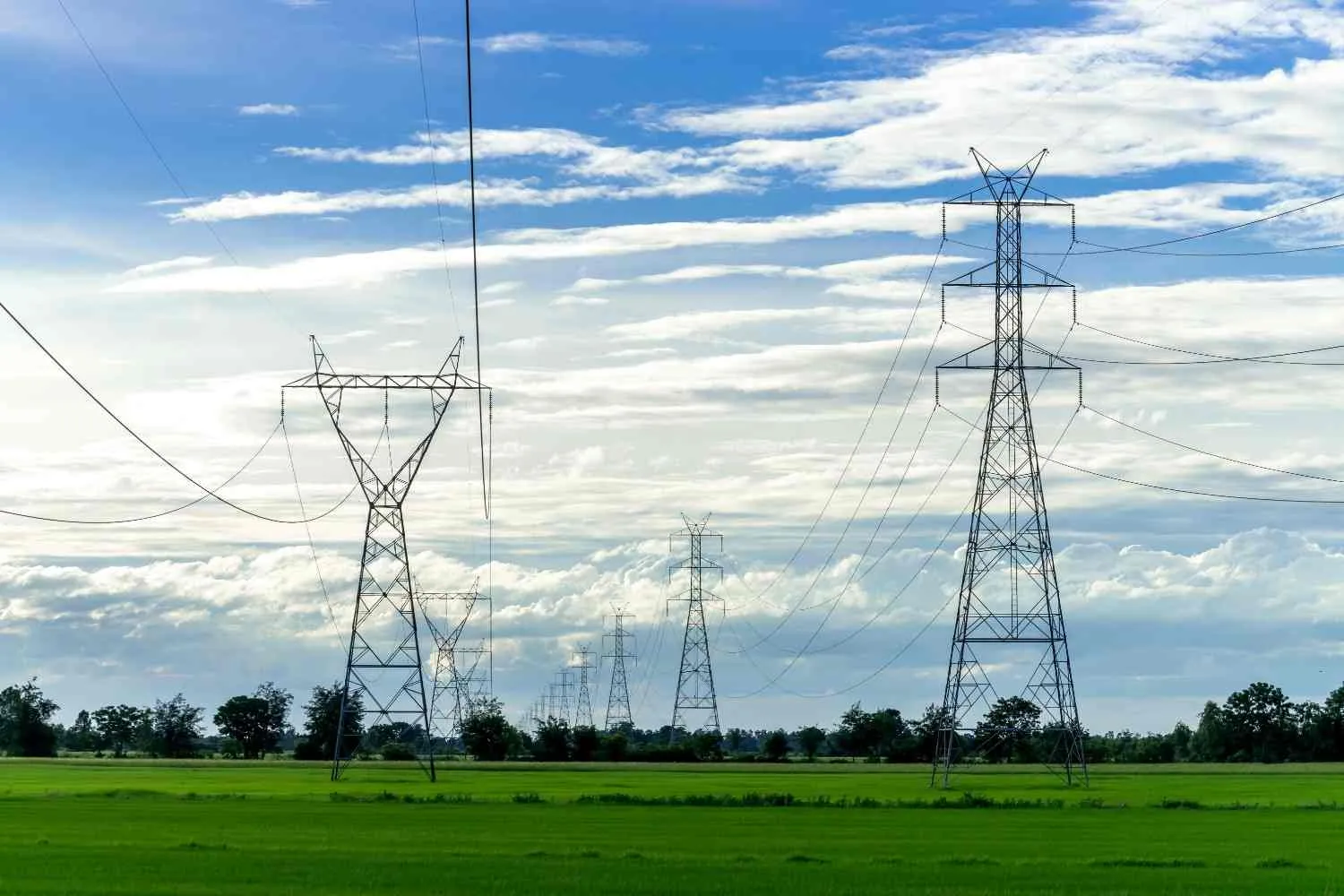

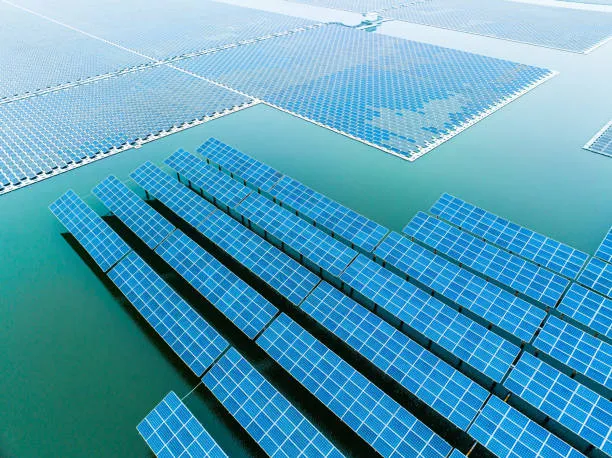
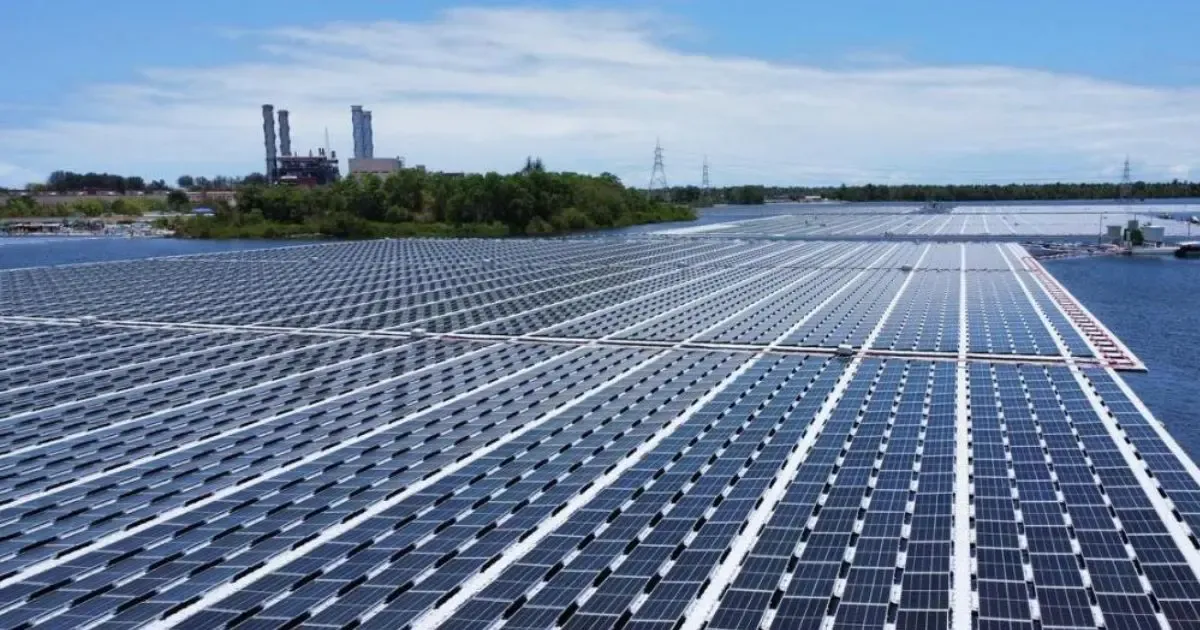
India is moving rapidly toward a cleaner and more diversified energy system. Solar parks, rooftop solar, wind farms, hybrid renewable projects, and energy storage are expanding the country's clean power capacity. At the same time, industrialization, urban development, digital infrastructure, electric mobility, and rising living standards are increasing electricity demand.
This creates an important challenge: renewable energy generation must be supported by a power grid capable of transporting, distributing, monitoring, and balancing electricity efficiently.
Grid modernization is therefore becoming a critical part of India's renewable energy journey. Modern transmission and distribution infrastructure can improve power evacuation, strengthen grid stability, support distributed generation, and provide operators with better visibility into network performance.
The transformation also creates opportunities for epc companies in india and specialized epc solar companies to contribute beyond renewable generation. Their expertise increasingly includes substations, power evacuation systems, protection equipment, automation, SCADA, and electrical distribution infrastructure.
Why Grid Modernization Matters for Renewable Energy
Traditional power grids were primarily designed around centralized generation and predictable electricity flows. Renewable energy introduces a different operating model.
Solar generation varies with sunlight, while wind generation depends on weather conditions. Renewable projects can also be located far from major demand centers. This means the grid must manage variable generation and transport electricity across considerable distances.
A modernized grid can help address these challenges through:
- Increased transmission capacity
- Improved power flow management
- Automated fault detection
- Advanced protection systems
- Real-time monitoring
- Better voltage management
- Renewable energy integration
- Energy storage coordination
Grid modernization can therefore help ensure that additional renewable generation translates into usable electricity for consumers.
Strengthening Transmission Infrastructure
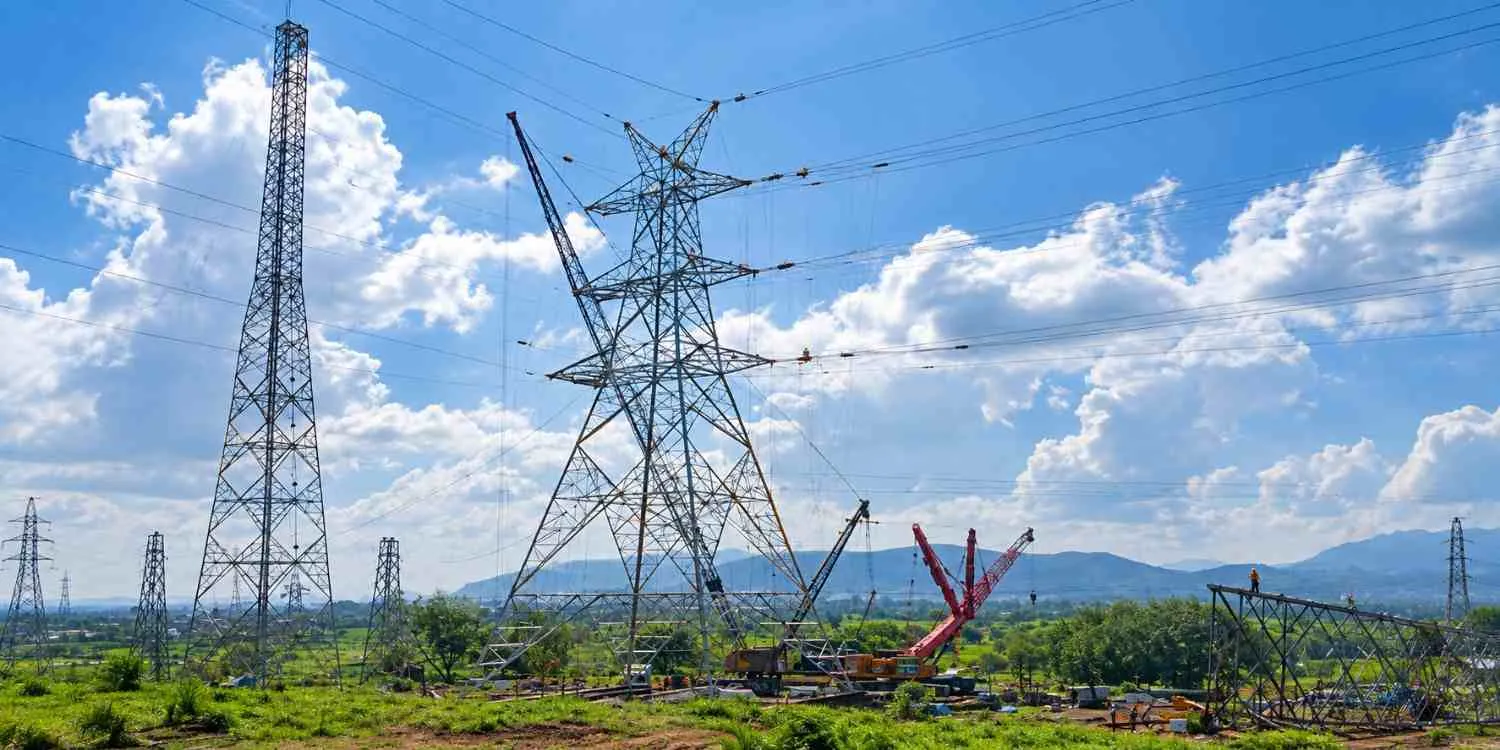
Large-scale renewable projects require robust transmission networks for power evacuation. A solar park may generate hundreds of megawatts, but that electricity must be transferred through substations and transmission lines before reaching consumption centers.
Transmission infrastructure typically includes:
- High-voltage substations
- Transformers
- Transmission lines
- Circuit breakers
- Protection systems
- Control panels
- Communication networks
Engineering these systems requires careful planning around generation capacity, grid conditions, fault levels, load growth, and future expansion.
Experienced top epc companies in india can support such projects by coordinating engineering, procurement, construction, testing, and commissioning activities.
Strong transmission infrastructure can reduce congestion and create additional capacity for connecting new renewable energy projects.
Modern Substations Enable Smarter Grid Operations
Substations are central to the power network. They transform voltage levels, control electrical flows, protect equipment, and provide connection points between generation, transmission, and distribution systems.
Modern substations are increasingly incorporating digital technologies, intelligent protection devices, automated switching, and remote monitoring.
A packaged transformer substation can provide a compact and integrated solution for applications where deployment speed and efficient use of space are important.
Modern substation design can also support future renewable energy integration by incorporating:
- Advanced protection
- Digital control
- Remote operation
- Automated switching
- Condition monitoring
- Communication systems
These capabilities improve operational visibility while enabling grid operators to respond more effectively to changing conditions.
Advanced Protection Systems Improve Grid Resilience
As more renewable energy enters the grid, protecting electrical equipment becomes increasingly important. Faults in transmission or distribution infrastructure can affect generation assets and consumers if they are not isolated quickly.
A relay control panel is an important part of substation protection and control architecture. It enables protective relays and associated equipment to perform coordinated functions.
Modern control and relay panel solutions can support:
- Protection
- Measurement
- Control
- Alarm management
- Equipment indication
- Communication
Specialized control relay panel manufacturers in india develop solutions for different voltage levels and substation applications.
The control and relay panel in substation environments can help operators monitor equipment and respond to electrical abnormalities.
For high-voltage applications, a 132 kv control relay panel can support protection and control requirements associated with 132 kV substations.
Effective protection systems can help minimize equipment damage, reduce outage durations, and improve overall network resilience.
Modern Medium-Voltage Infrastructure Supports Renewable Integration
Grid modernization must extend beyond high-voltage transmission infrastructure. Medium-voltage networks are equally important, particularly as distributed solar and commercial and industrial renewable projects continue to grow.
A medium voltage switchboard can provide switching, isolation, and protection for medium-voltage electrical networks.
Similarly, a medium voltage panel can be designed for specific industrial, commercial, utility, and renewable energy applications.
Modern medium-voltage systems can help manage power generated from distributed renewable sources while maintaining safe and controlled electricity distribution.
At the low-voltage level, businesses and infrastructure operators increasingly require solutions from experienced low voltage switchboard manufacturers.
An lv switchgear panel can provide switching, protection, isolation, and distribution functions for low-voltage applications.
Together, medium- and low-voltage infrastructure form an important link between the wider grid and end users.
SCADA Is Transforming Grid Monitoring
A modern power network requires continuous visibility. Operators need to know how equipment is performing, where faults are occurring, and how power is flowing across the network.
A scada system in power system applications can collect real-time information from substations, feeders, transformers, breakers, and protection equipment.
Operators can monitor:
- Voltage
- Current
- Frequency
- Power flow
- Equipment status
- Transformer parameters
- Fault alarms
- Energy consumption
An advanced scada control system can provide both monitoring and remote control capabilities.
A scada based system can also help automate operational processes and reduce the need for manual intervention.
The wider use of scada in power systems can improve decision-making by giving operators a centralized view of network conditions.
This becomes particularly important as renewable generation becomes more distributed and variable.
Digitalization Enables Predictive Maintenance
Grid modernization is not only about increasing network capacity. It is also about improving how electrical assets are maintained.
Traditional maintenance often follows fixed schedules or responds to equipment failures. Digital monitoring enables utilities and businesses to evaluate equipment condition continuously.
Data from intelligent devices can help identify:
- Abnormal temperature
- Equipment overload
- Repeated fault events
- Voltage abnormalities
- Breaker performance issues
- Changing load patterns
This information can support predictive and condition-based maintenance.
Instead of waiting for equipment to fail, maintenance teams can investigate potential problems earlier. This can help reduce unexpected outages and improve asset utilization.
Energy Storage Adds Flexibility to the Modern Grid
Battery Energy Storage Systems are becoming increasingly important as renewable energy deployment expands.
Solar generation is typically highest during daylight hours, while electricity demand can continue into the evening. Energy storage can help shift electricity availability by storing excess energy and supplying it when required.
Storage can support:
- Renewable energy integration
- Peak demand management
- Grid balancing
- Backup power
- Improved system flexibility
When combined with intelligent controls and modern substations, energy storage can become an important component of a flexible renewable energy network.
The Evolving Role of Solar EPC Companies
The responsibilities of solar epc companies are expanding as renewable projects become more closely connected with grid infrastructure.
Solar EPC providers increasingly need capabilities across:
- Solar plant engineering
- Electrical design
- Power evacuation
- Substation integration
- Protection and control
- SCADA
- Grid synchronization
- Testing and commissioning
This broader technical scope allows top solar epc companies in india to support projects from initial engineering through grid connectivity.
The role of epc solar companies is therefore shifting from simply constructing generation assets toward delivering integrated renewable energy infrastructure.
Supporting India's Industrial and Commercial Growth
India's renewable energy expansion is occurring alongside rapid industrial and commercial development.
Manufacturing facilities, data centers, logistics hubs, airports, hospitals, and commercial buildings all require high-quality electricity.
Modernized grids can support these sectors through:
- Better power availability
- Improved voltage stability
- Faster fault response
- Greater renewable energy access
- Enhanced monitoring
- More flexible electricity distribution
Industrial facilities are also adopting rooftop solar, battery storage, EV charging, and automated electrical systems. This creates additional demand for intelligent distribution infrastructure.
The Role of EPC Companies in Grid Modernization
Modern grid projects involve multiple engineering disciplines. Civil works, electrical systems, protection, automation, procurement, construction, testing, and commissioning must be coordinated effectively.
Experienced epc companies in india can bring these capabilities together under a structured project framework.
For renewable energy projects, this integrated approach is particularly valuable because generation assets must be connected with substations, transmission systems, protection equipment, and digital control platforms.
Selecting an EPC partner with experience across renewable energy and power infrastructure can help project developers address technical complexity while maintaining project quality and execution timelines.
Future Technologies Will Further Modernize India's Grid
Grid modernization will continue to evolve as new technologies become commercially viable.
Artificial Intelligence
AI can analyze large volumes of operational data to identify patterns, predict potential failures, and support grid management.
Digital Substations
Digital substations can improve communication, protection, automation, and monitoring through intelligent electronic devices.
Smart Distribution Networks
Automated distribution systems can help detect faults, isolate affected sections, and improve restoration processes.
Advanced Energy Management
Digital platforms can help utilities and businesses understand generation, consumption, and power quality in greater detail.
Renewable Forecasting
Improved forecasting can help grid operators anticipate changes in solar and wind generation and plan network operations accordingly.
These technologies can make India's electricity network more adaptive and capable of handling a higher share of renewable generation.
Hartek Group and India's Renewable Energy Infrastructure
Hartek Group operates across the power and renewable energy sectors, with capabilities spanning solar EPC, substations, transmission and distribution infrastructure, automation, and electrical solutions.
Its presence across multiple areas of the energy value chain reflects the growing need for integrated infrastructure as renewable generation expands.
By combining renewable energy capabilities with power systems, substation, automation, and electrical infrastructure expertise, Hartek supports the development of projects designed around India's evolving energy requirements.
Powering India's Renewable Expansion Through Grid Modernization
India's renewable energy ambitions cannot be achieved through generation capacity alone. A strong, flexible, digitally connected grid is required to move renewable electricity efficiently from generation sites to homes, businesses, and industries.
Modern transmission systems, intelligent substations, advanced protection equipment, medium- and low-voltage switchgear, SCADA platforms, energy storage, and automated distribution can collectively improve the country's ability to integrate renewable energy.
As electricity demand continues to rise, grid modernization will remain an essential investment for India's clean energy future.
Hartek Group provides integrated solar EPC, power systems, substation, automation, transmission, and distribution solutions to support India's evolving energy infrastructure. Connect with Hartek Group to build smarter, stronger, and future-ready power infrastructure for India's renewable energy transition.




















Sign in to leave a comment.