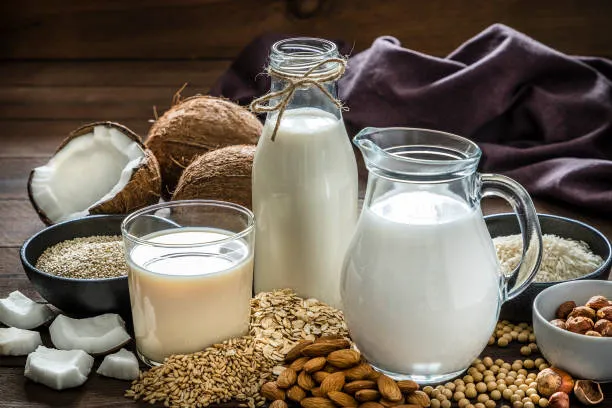

Sweden’s plant-based dairy sector is developing as consumers increasingly consider health, dietary preferences, environmental concerns, and convenience when choosing alternatives to conventional dairy. According to Vyansa Intelligence, the sector was valued at $140 million in 2025 and is projected to reach $165 million by 2032, representing a 2.37% CAGR from 2026 to 2032. The changing product mix reflects a gradual shift toward everyday plant-based options rather than products limited to niche consumption occasions.
Health Awareness Is Influencing Everyday Choices
Growing health consciousness is one of the main factors influencing plant-based dairy consumption in Sweden. Consumers are considering alternatives for different reasons, including lactose intolerance, lower-calorie dietary preferences, and interest in products perceived as having lower cholesterol content.
The health conversation is also moving beyond simple dairy substitution. Products containing added vitamins, minerals, fibre, and protein are becoming more relevant as manufacturers seek to combine nutritional attributes with familiar formats. This has created greater interest in products that can function as part of everyday meals rather than being positioned solely as alternatives.
Swedish Food Agency guidance provides useful context for this development. It notes that people following vegan diets need to pay attention to nutrients including vitamin B12, vitamin D, calcium, iodine, iron, zinc, selenium, omega-3 fats, and protein. It also identifies fortified plant-based drinks and similar products as potential sources of several important nutrients.
Plant-Based Milk Remains the Core Category
Plant-based milk represents approximately 75% of the sector, making it the dominant product category. Oat-based beverages account for the majority of plant-based milk sales, followed by almond milk and other formulations.
The breadth of available products is also expanding. Soy drinks, almond beverages, blends, coconut-based products, rice drinks, and other plant-based formulations provide consumers with different taste, nutritional, and functional characteristics.
Oat-based products have gained particular relevance in Sweden, partly because oats can support local sourcing narratives. The report identifies domestic ingredients as an opportunity for further product development, particularly as consumers show interest in transparency, local origin, and sustainability.
Fortification Adds Functional Value
Fortification is becoming an important part of product innovation. In simple terms, fortification means adding nutrients such as vitamins or minerals to a food or beverage to improve its nutritional profile.
The Swedish market is seeing increasing attention toward fortified and functional plant-based dairy products, including beverages designed around additional nutrients. Low-fat formulations and products designed for specific uses, such as barista-style beverages, are also expanding the range of available choices.
The Swedish Food Agency specifically recommends fortified plant-based drinks or fermented alternatives as part of a carefully planned vegan diet. Its guidance notes that fortified oat-based drinks and similar products can provide nutrients such as vitamin B12, riboflavin, vitamin D, and calcium, depending on the formulation.
Product Innovation Extends Beyond Milk
Although plant-based milk dominates the category, the sector is increasingly extending into plant-based yoghurt and cheese. This diversification reflects a broader effort to reproduce the everyday functionality of conventional dairy across more consumption occasions.
Plant-based yoghurt can be used for breakfast, snacks, desserts, and cooking, while dairy-free cheese alternatives can serve different meal and foodservice applications. Expansion across categories gives consumers more opportunities to maintain familiar eating habits while choosing plant-based products.
Innovation is therefore not limited to ingredients. Texture, taste, packaging, nutritional composition, and convenience all influence whether alternative products can become regular household purchases. The report highlights continuing product development as an important factor supporting the category.
Domestic Sourcing Creates a Distinctive Opportunity
Local sourcing is another area receiving attention in Sweden. The use of domestically produced ingredients can strengthen traceability and provide a clearer connection between products and their place of origin.
Oats are particularly relevant in this context because they are already closely associated with Swedish agricultural production and food innovation. Products using Swedish oats can combine plant-based positioning with a local sourcing narrative, potentially appealing to consumers who consider origin alongside nutrition and environmental factors.
The report also identifies clean-label products, enriched formulations, and locally sourced ingredients as areas of opportunity. Clean-label positioning generally refers to products marketed around recognizable ingredients and relatively straightforward formulations, although the precise meaning can vary between consumers and manufacturers.
Supermarkets Continue to Shape Accessibility
Offline retail accounts for approximately 95% of sales, highlighting the continued importance of physical stores. Supermarkets provide extensive product ranges, established shelf space, and convenient access for consumers purchasing plant-based dairy as part of regular grocery shopping.
The strong position of physical retail also gives supermarkets an important role in introducing consumers to new formulations. Branded and private-label products can appear alongside conventional dairy, making comparison and substitution easier.
Online retail is nevertheless gaining relevance. Digital channels can provide access to niche products and a wider selection, particularly where certain specialized formulations are not readily available in local stores. Online purchasing also adds convenience for consumers who already know which products they prefer.
A Concentrated but Diverse Competitive Environment
More than 10 companies are active in Sweden’s plant-based dairy sector, while the five leading companies identified in the report account for around 90% of the sector. The companies named include Sproud International AB, Coop Sverige AB, Fazer Kvarn AB, Oatly AB, and Midsona Sverige AB.
Other companies covered include Valio Sverige AB, Upfield Sweden AB, ICA Sverige AB, Havredals Biodevelop AB, and Veg of Lund AB. Their presence illustrates the combination of specialist plant-based producers, established food companies, retailers, and businesses developing alternative dairy products.
This competitive structure also reflects the diversity of strategies being used. Some participants focus on beverages, while others have broader portfolios spanning different dairy alternatives, nutritional characteristics, or retail formats.
The Sector Is Moving Toward Everyday Integration
Sweden’s plant-based dairy sector is increasingly defined by integration into everyday consumption. Plant-based milk remains the central category, but yoghurt, cheese, functional products, fortified formulations, and locally sourced ingredients are broadening consumer choice.
Health awareness, sustainability considerations, convenience, and product innovation are influencing how consumers evaluate alternatives. At the same time, the continued strength of supermarkets means accessibility remains important alongside online availability.
The next phase of development is therefore likely to depend less on simply offering a dairy substitute and more on delivering products that satisfy multiple expectations at once. Nutrition, taste, functionality, transparency, sourcing, and convenience are becoming interconnected considerations in Sweden’s evolving plant-based dairy landscape.
Further insights into plant-based nutrition and sustainability are also available through Agroscope, which researches the nutritional and environmental characteristics of alternatives to animal-based foods.


























Sign in to leave a comment.