

Cerebral palsy (CP) is a neurological condition that affects movement, posture, and muscle coordination. Among the different forms of CP, hemiplegic cerebral palsy is a specific type that primarily affects one side of the body.
Understanding how it differs from other types of cerebral palsy can help parents recognize symptoms early and seek the right treatment and therapy options.
What Is Hemiplegic Cerebral Palsy?
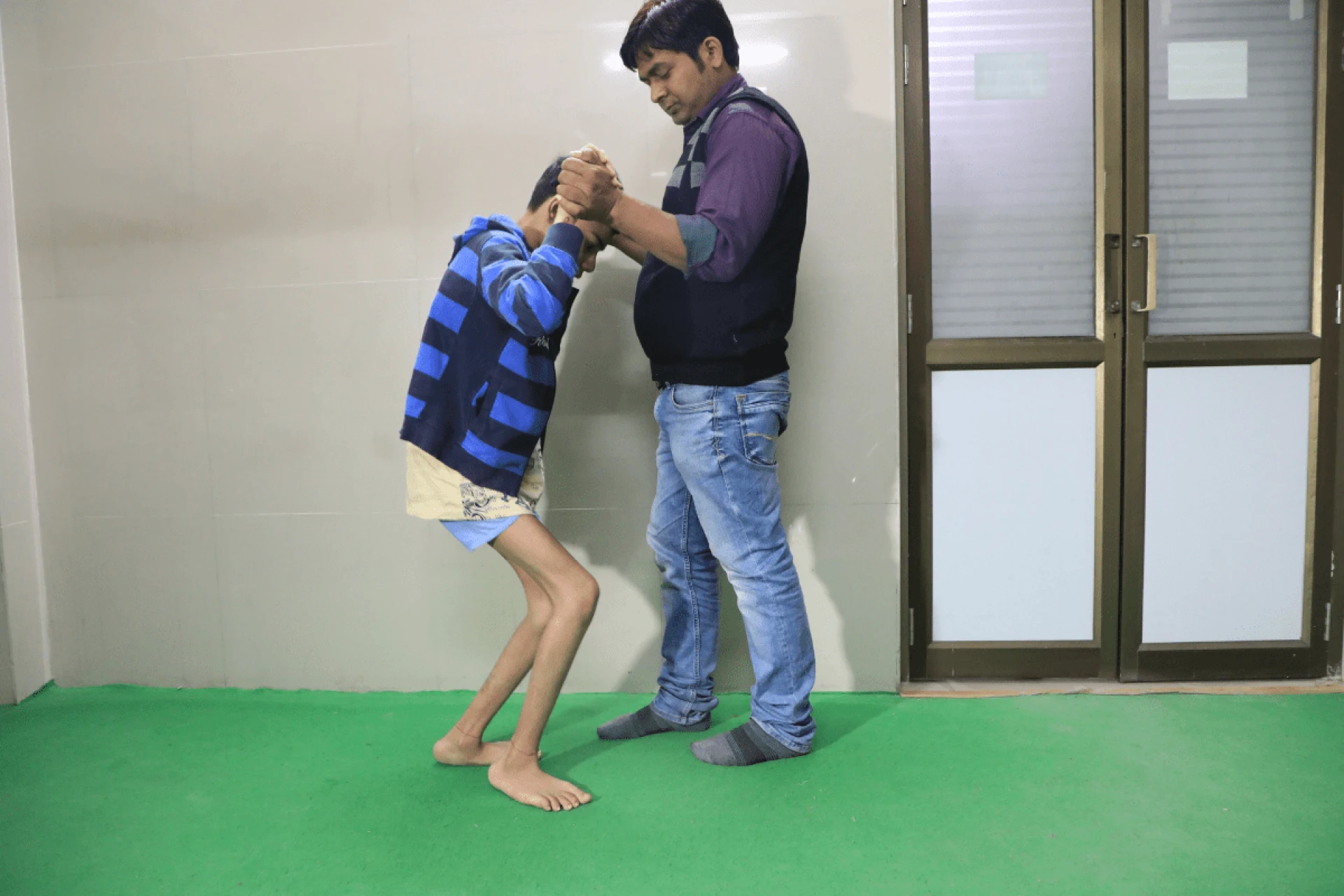
Hemiplegic cerebral palsy is a condition where muscle weakness, stiffness, or poor coordination occurs mainly on either the right or left side of the body. Typically, one arm is more affected than the leg.
Children with this condition may have difficulty using one hand, walking evenly, or maintaining balance during physical activities. This type of CP usually results from damage to one side of the brain before, during, or shortly after birth.
Difference Between Hemiplegic and Spastic Diplegia
Spastic diplegia mainly affects both legs, while the arms are less impacted. Children with diplegia may struggle with walking because of tight leg muscles on both side and balance issues. In contrast, hemiplegic cerebral palsy affects only one side of the body, leading to uneven movement patterns and reduced coordination on the affected side.
Difference Between Hemiplegic and Quadriplegic CP
Quadriplegic cerebral palsy is considered one of the most severe forms because it affects all four limbs, as well as the muscles of the face and trunk. Children with quadriplegia may require extensive support for daily activities.
Hemiplegic CP is generally milder in comparison because it is limited to one side of the body, allowing many children to achieve greater independence with therapy.
Difference Between Hemiplegic and Dyskinetic CP
Dyskinetic cerebral palsy involves uncontrolled or involuntary movements caused by fluctuating muscle tone. These movements can affect the entire body. On the other hand, hemiplegic CP mainly causes stiffness and weakness on one side rather than uncontrolled motion.
Conclusion
Understanding how hemiplegic cerebral palsy differs from other types of CP helps families recognize symptoms and seek timely medical care. With early intervention and proper therapy, children with hemiplegic CP can improve mobility, independence, and overall quality of life.






























Sign in to leave a comment.