How Hick'ry Pit Preserves Cultural Culinary Heritage in Walnut Creek, CA

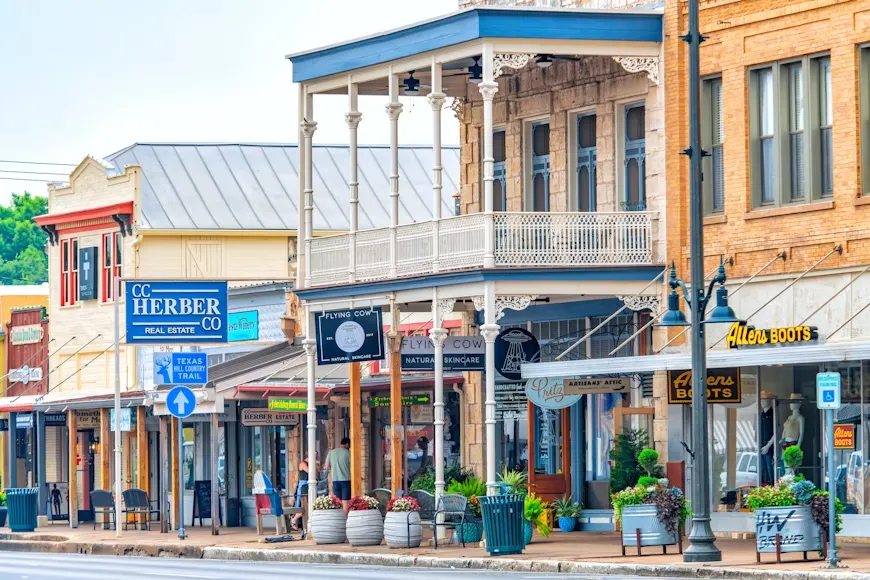
Walnut Creek has changed considerably since 1958, when a wood-smoked barbecue and bakery concept first opened its doors on South Main Street. Shopping centers have expanded, downtown has grown denser, and the restaurant scene has turned over many times since then, with new concepts opening and closing within a few short years. Yet the restaurant now known across the region as one of the most recognized Walnut Creek brunch spots has kept its wood-fired pits burning the same way since it opened, without switching to gas or propane the way most modern kitchens eventually do.
For longtime residents searching for breakfast in Walnut Creek that still tastes the way it did decades ago, that single decision, repeated every morning for more than six decades, is a big part of why this address on South Main Street is considered a genuine piece of local culinary history rather than just another breakfast restaurant.
A Bakery and a Barbecue Pit Under One Roof
The restaurant's origin traces back to 1928, when an Italian immigrant baker in Oakland took over the barbecue business next door rather than let it close, merging fresh-baked bread with slow, wood-smoked meat under a single roof for the first time. That combination, a bakery's patience paired with a pit master's discipline, was unusual then and remains unusual now, when most restaurants specialize in one style of cooking rather than committing to two demanding ones at once. The approach followed the business as it grew, and it eventually arrived in Walnut Creek in 1958, when its sixth location in a small but steadily growing chain opened on South Main Street.
Fresh-baked pastries and slow-smoked meats have shared the same kitchen at that address ever since, a pairing that reflects a specific, once-common style of American food culture that has largely disappeared from newer restaurants built around speed and convenience rather than craft and patience. Few kitchens today are willing to run both a full bakery program and a wood-fired smoking operation under one small roof, since each demands its own equipment, its own schedule, and its own kind of specialized staff training.

Keeping a Wood-Fired Standard in a Modern Restaurant Industry
Most commercial kitchens moved to gas or propane pits decades ago because they're faster, cheaper to run, and easier to maintain at scale across multiple locations and shift changes. The restaurant at the center of this story never made that switch, continuing to smoke ribs, tri-tip, and pulled pork over a real wood fire the way pit masters did a century ago, tending the coals by hand rather than adjusting a dial.
That decision lines up with a broader effort recognized by groups like the California Main Street Program, which has spent decades encouraging small business owners across the state to preserve the character of their downtown commercial districts rather than modernize it away entirely. A wood-fired pit doesn't just produce a different flavor than a gas one; it represents a slower, more deliberate way of running a kitchen, one that still has to meet the same federal safe-cooking standards required of any commercial kitchen regardless of how the meat is cooked. Meeting those standards with real wood instead of a gas dial takes more attention, not less, which is exactly why fewer businesses are willing to commit to it today.

Why Local Institutions Like This Matter to a Growing Suburb
Walnut Creek's population and its downtown commercial core have both grown substantially since the restaurant first opened its doors in 1958, and Broadway Plaza and the surrounding retail district now draw shoppers from across the East Bay. Organizations such as Main Street America have documented how quickly small, independent restaurants can disappear from growing suburban downtowns once rising rents and shifting consumer habits push out longtime operators in favor of national chains.
Records held by the Walnut Creek Historical Society show a community that has documented its own commercial history carefully, and a restaurant that has operated continuously at the same address for more than sixty-five years fits squarely into that record. In a city defined increasingly by newer development, a kitchen still built around the same wood-fired pits used generations ago stands out as something genuinely rare today, and worth documenting before that kind of continuity becomes even harder to find in a fast-growing suburb like this one.
A Legacy Worth Tasting for Yourself
Restaurants that hold onto a single, demanding cooking method for nearly a century are rare, and rarer still when that same kitchen also keeps baking its own bread and pastries the exact way it always has, without shortcuts or a switch to outsourced supply. That consistency is part of why so many residents still consider it one of the best Walnut Creek, CA, breakfast options around, and why visitors searching for an affordable brunch with real history behind it tend to end up on South Main Street regardless. For anyone planning a brunch near Walnut Creek with a little more story behind the plate, visit The Original Hick'ry Pit and taste nearly a century of Walnut Creek's culinary history for yourself.
Contact them to find out more.
About the Author
Maria Delgado is a Bay Area food and culture writer who covers the history behind long-running local restaurants across Northern California. Her work has appeared in regional dining guides, where she focuses on family-run kitchens, historic downtown districts, and the small choices that keep local food traditions alive for new generations.





Sign in to leave a comment.