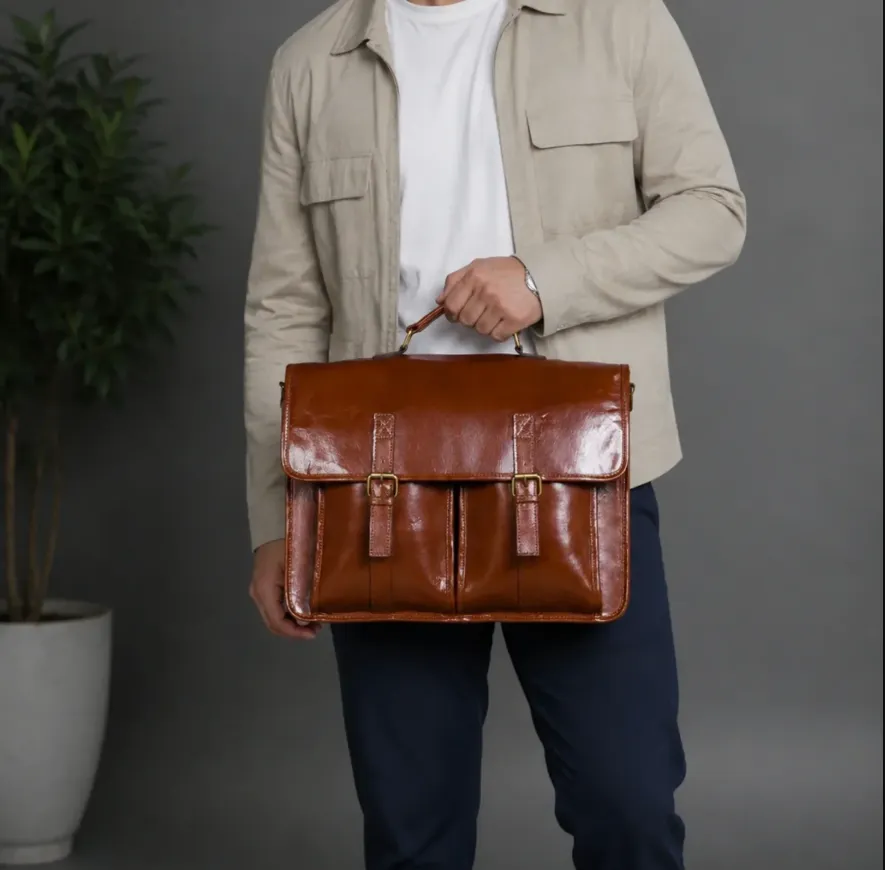

I used to replace my everyday work bag every year or two. The canvas would fray, a cheap vinyl strap would split at the worst possible moment, or the zipper would bind up right when I was running for a train. Eventually, I realized buying cheap bags was costing me more money and frustration in the long run than just buying one good piece. That led me down a rabbit hole of testing and carrying high quality leather bags across work trips, daily office commutes, and weekend travel.
If you’ve ever browsed online for a leather bag, you already know how confusing it gets. Every site claims their products are "premium" or "artisan made," but the actual quality varies wildly once the box arrives at your door. Knowing what to look for ahead of time makes all the difference.
Real Talk on High Quality Leather bag: What Are You Actually Buying?
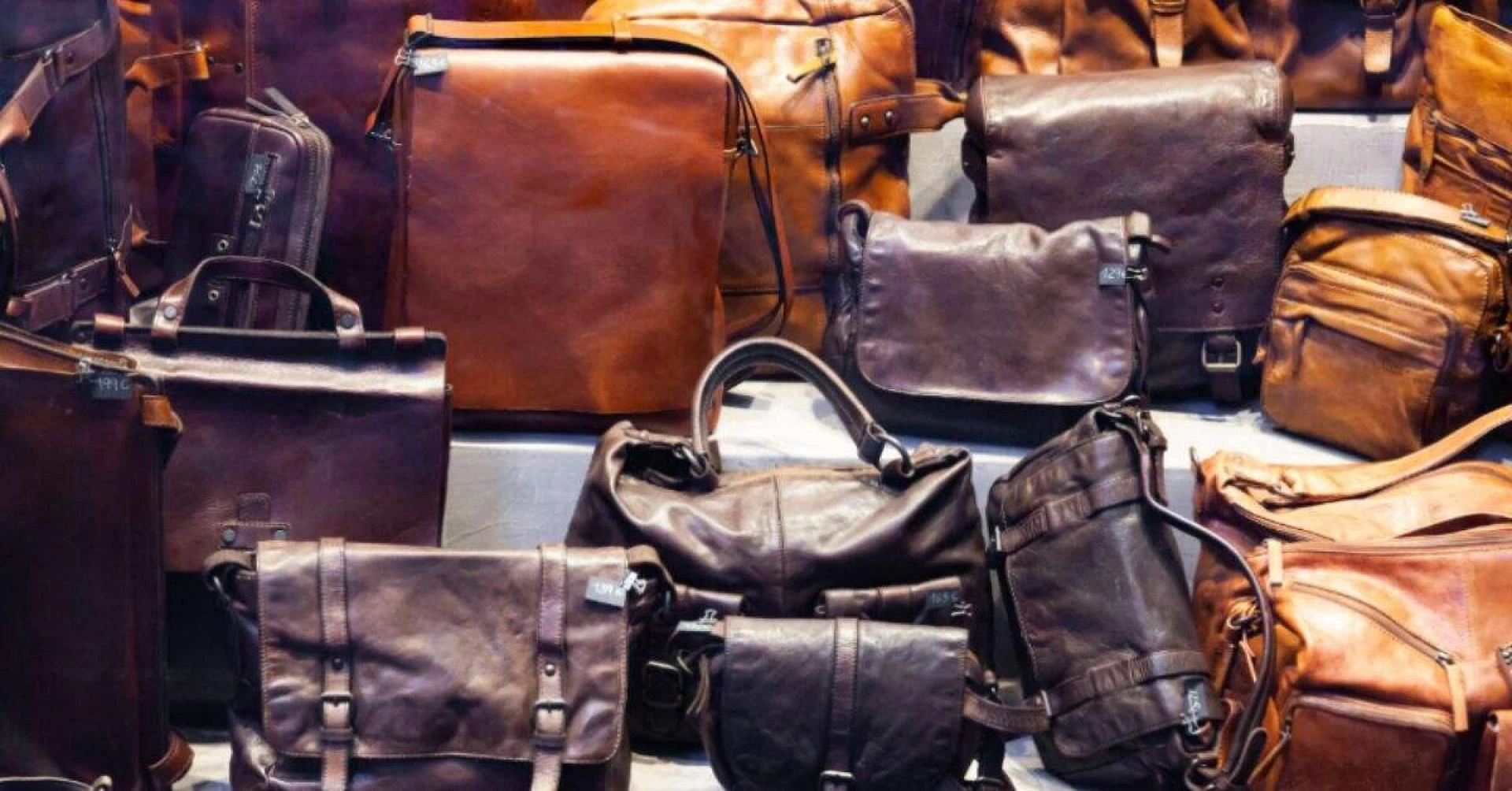
Before looking at styles or pockets, you have to look at the leather itself. Manufacturers love throwing around industry buzzwords, but here is what those terms actually mean when you hold the bag in your hands:
- Full-Grain Leather: This is as good as it gets. The top layer of the hide remains completely intact, preserving its natural grain and strength. It starts out a bit stiff, but over months of use, it breaks in, softens, and develops a rich patina that only looks better with age.
- Top-Grain Leather: A close second. The top layer is lightly sanded to remove natural surface blemishes. It feels smoother right out of the box and resists staining a bit easier than full-grain, though it won't age with quite the same deep character.
- Genuine Leather: This is where shopping gets tricky. Technically, genuine leather bags are made from real animal hide, but it’s often the split lower layers pressed together with binders and coated in polyurethane. It looks clean initially, but it wears out fast and tends to peel rather than age gracefully.
Beyond the leather grade, keep an eye on the hardware and seams. Look for thick cotton canvas linings, heavy-gauge brass or stainless steel zippers, and thread that looks substantial enough to handle real weight.
Finding the Right Style for Your Daily Routine
A bag can have incredible leather, but if the layout doesn't fit how you live, it ends up sitting in your closet. Here are four essential silhouettes that cover almost every situation:
The Everyday Leather Tote
Totes are flat-out useful. Whether you are running to a local coffee shop with a laptop or tossing in an extra jacket for the evening, a spacious leather tote handles it without fuss. Just make sure the shoulder straps are wide enough, narrow leather straps will dig into your shoulders real fast once the bag is loaded down.
The Modern Commuter Briefcase
Forget those hard, boxy briefcases from older movies. Modern leather briefcases are soft-sided, featuring padded compartments for laptops, internal organizers for pens and chargers, and a detachable shoulder strap. They look sharp in a boardroom without feeling overly stiff.
The Compact Crossbody
When you're out exploring a new city on the weekend or running quick errands, you usually only need your phone, wallet, keys, and maybe a small notebook. A well-designed crossbody keeps your hands free and keeps your valuables secure right against your hip.
The Weekend Duffle
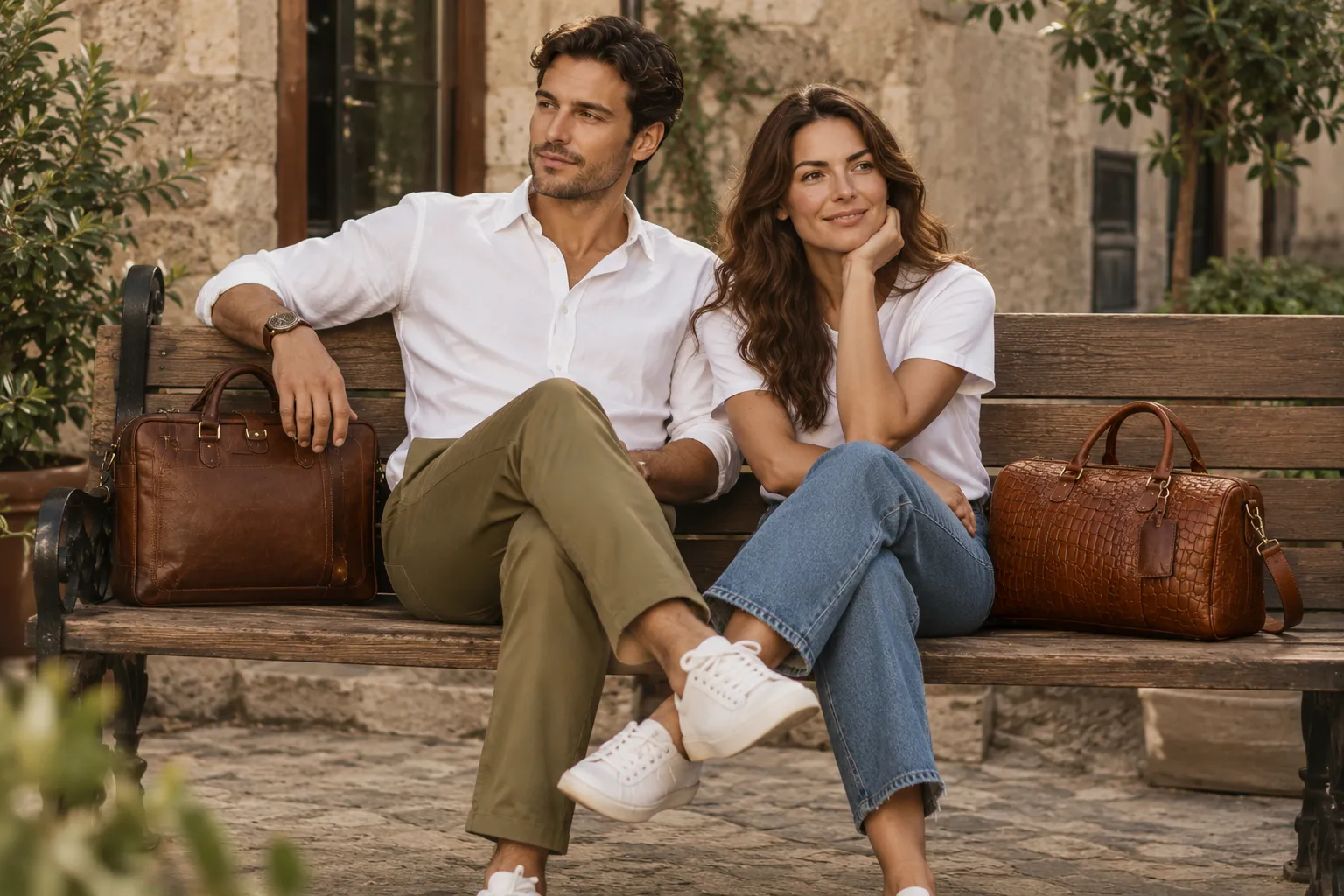
A solid leather duffle bag is one of those pieces that makes travel feel a bit special. They're tough enough to throw into a car trunk or squeeze into an overhead bin, but they look infinitely better than a worn-out nylon gym bag when you check into a hotel.
Why Handcrafted Leather Bags Hold Up Better Long-Term
There is a huge difference between a bag assembled on a high-speed factory assembly line and one made by a leather craftsman working at a bench. Mass-manufactured bags prioritize speed, which means thin edge coatings, machine stitching that can unravel if a single thread breaks, and glued seams that dry out over time.
When you use handcrafted leather bags, you notice small, thoughtful details that only come from manual bench work:
- Saddle Stitching: Many bench craftsmen use a traditional two-needle hand stitch. Even if one loop somehow snaps after years of heavy use, the rest of the seam stays locked in place.
- Burnished and Waxed Edges: Instead of painting raw leather edges with cheap plastic rubber, craftsmen sand, dye, and beeswax the edges by hand to seal out moisture naturally.
- Double-Riveted Stress Points: Handle mounts, strap rings, and pocket corners take the most abuse. Handcrafted bags almost always reinforce these spots with solid metal rivets.
Quick Leather Care Rules That Save You Money
People often worry that leather requires high-maintenance upkeep, but it really doesn't take much time. Here is the straightforward routine I use to keep my gear in great shape:
- Condition It Twice a Year: Rub a light coat of natural leather conditioner over the bag every six months. Think of it like lotion for your skin, it stops the hide from drying out and cracking.
- Don't Panic Over Rain: If you get caught in a downpour, just wipe off the surface water with a towel and let the bag dry naturally at room temperature. Never set it right next to a radiator or use a hairdryer, or the heat will shrink and harden the leather.
- Store It with Support: When a bag sits empty in your closet for months, it can collapse and form permanent creases. Stuff it with old cotton T-shirts or towels to help it keep its original shape.
Wrapping Up
Investing in good leather isn't about chasing luxury labels, it's about buying functional gear that lasts long enough to become a reliable part of your daily routine. When you pick a piece built from solid hides with sturdy hardware and careful construction, you get an accessory that actually improves as it gets beaten up and worn in.
If you are looking to add a truly well-made piece to your lineup, it's worth checking out the options from Luxury Handicraft. Their focus on traditional crafting techniques, durable full-grain materials, and clean, practical designs makes them a fantastic pick if you want a bag that balances real-world utility with timeless American style.
















Sign in to leave a comment.