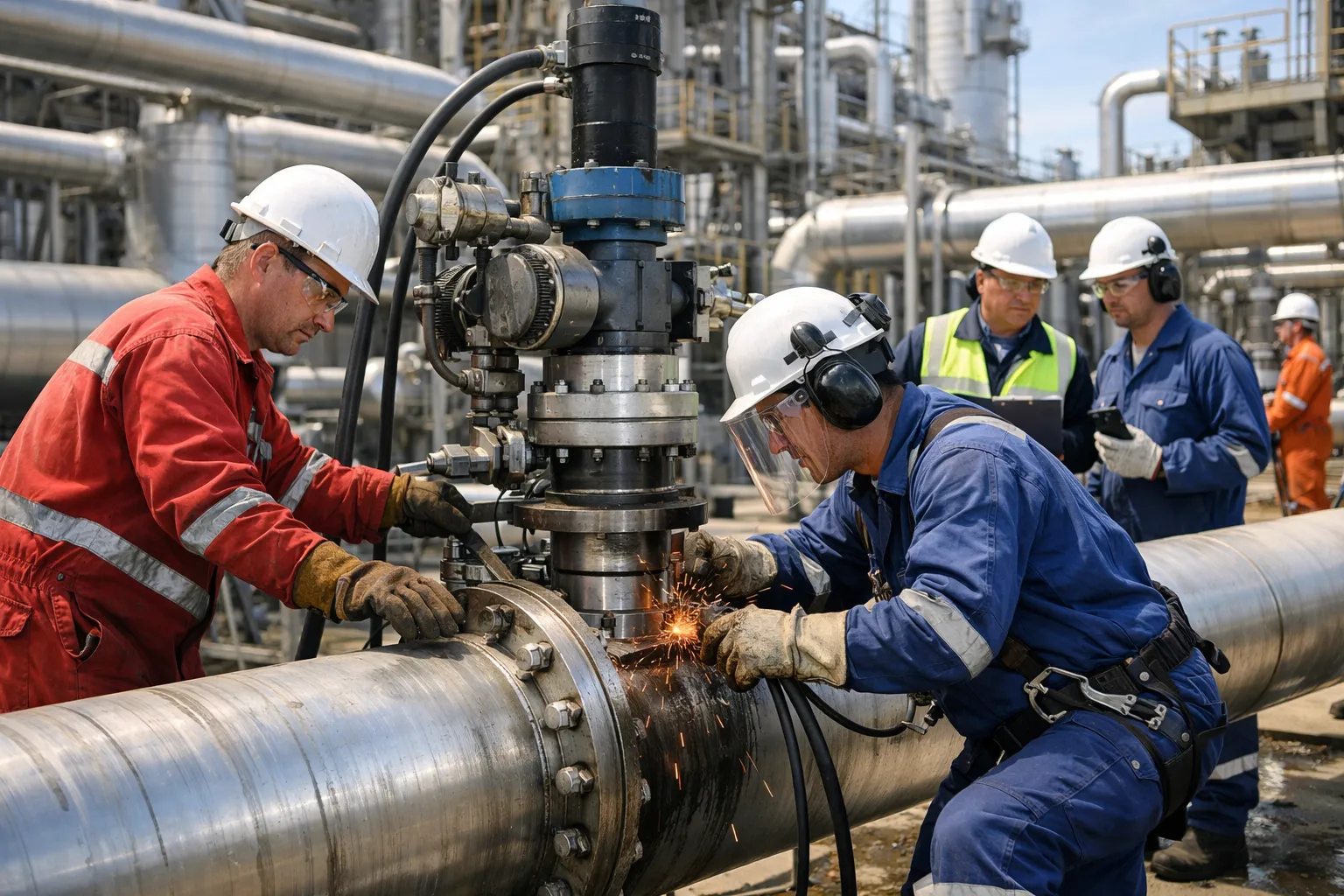

Hot tapping Companies in Ajman use a specialized method that allows modifications or connections to existing pipelines without fully shutting down the system. This process is commonly used in industrial facilities where continuous operation is important. Hot tapping helps create new connections, install equipment, or make pipeline adjustments while the system remains active.
The process requires careful planning, accurate equipment selection, and proper safety steps. Professionals study the pipeline condition, pressure levels, temperature, and material before starting the work. This preparation helps ensure that the service is performed in a controlled and organized way.
What Is Hot Tapping and Why Is It Used?
Hot tapping is a technique where a new branch connection is created on an active pipeline or vessel. A fitting is attached to the existing line, and a specialized cutting tool creates an opening without stopping the flow inside the system.
This method is used in industries such as oil and gas, water supply, chemical processing, and manufacturing. It reduces downtime because companies can continue regular operations while making necessary pipeline changes.
The main purpose of hot tapping is to provide a practical solution for pipeline expansion, repairs, and system improvements without requiring a complete shutdown.
Planning Before Starting the Hot Tapping Service
Before beginning the service, detailed planning is one of the most important steps. Experts first inspect the pipeline information, including size, material, operating pressure, and temperature conditions.
A proper assessment helps identify the right tools and methods for the project. Engineers may review drawings, check site conditions, and evaluate possible risks before the work begins.
Safety procedures are also prepared during this stage. Workers need to understand the work area, equipment requirements, and operating conditions to complete the process smoothly.
Step-by-Step Hot Tapping Service Process
The hot tapping process includes several organized stages. First, the connection point on the pipeline is selected and prepared. A fitting is then installed securely around the area where the new connection will be made.
After the fitting is checked, a valve and hot tapping machine are attached. The cutting tool creates an opening in the pipeline while controlling the process carefully. The removed section of material is collected by the tool, and the new connection is prepared.
Once the cutting process is complete, the equipment is removed, and the connection area is inspected. Final checks are performed to make sure everything is properly installed and ready for operation.
Equipment Used During Hot Tapping
Hot tapping requires specialized equipment designed for working on active systems. Common tools include tapping machines, drilling equipment, valves, fittings, and pressure control devices.
Each piece of equipment plays an important role in maintaining control during the service. The selection of tools depends on the pipeline type, size, pressure, and working environment.
Proper equipment handling helps improve accuracy and supports a safer working process. Experienced technicians follow standard procedures while using these tools.
Safety Measures During the Service Process
Safety is a major part of hot tapping work because the process involves active pipelines. Before starting, professionals review operating conditions and make sure all safety requirements are followed.
Monitoring pressure, checking equipment condition, and using suitable protective equipment are important steps. The work area is also managed carefully to reduce unnecessary risks.
A well-planned approach helps workers complete the service while maintaining control over the pipeline system and surrounding environment.
Benefits of Using Hot Tapping Methods
Hot tapping provides several practical benefits for industrial operations. One major advantage is that it reduces the need for system shutdowns, allowing businesses to continue normal activities during modifications.
It can also save time by avoiding complete drainage, isolation, or replacement of pipeline sections. This makes it a useful option for facilities that need upgrades or additional connections.
The method also supports better maintenance planning because changes can be completed without major interruption to existing systems.
Factors to Consider Before Hot Tapping
Several factors should be reviewed before choosing hot tapping for a project. Pipeline condition, material strength, operating conditions, and site environment all influence the success of the service.
Professional assessment helps determine whether hot tapping is suitable for a specific application. Proper communication between engineers, technicians, and site teams also supports better project coordination.
Understanding these factors helps ensure that the process is planned correctly from the beginning.
Understanding the Role of Skilled Service Providers
Hot tapping requires technical knowledge and experience because the work involves active pipeline systems. Skilled teams follow detailed procedures, use suitable equipment, and focus on accurate execution.
Choosing experienced Hot tapping Companies in Ajman helps ensure that the service process follows proper planning, safety practices, and technical requirements. Their knowledge helps manage complex pipeline tasks in an organized way.



























Sign in to leave a comment.