

Hyperbaric oxygen therapy is a specialised medical treatment that uses increased atmospheric pressure and oxygen to support care for certain health conditions. It is used in specific clinical situations where improving oxygen availability in body tissues may contribute to healing. Understanding how the treatment works, its recognised applications, and its limitations can help patients make informed decisions with their healthcare providers.
How Hyperbaric Oxygen Therapy Works
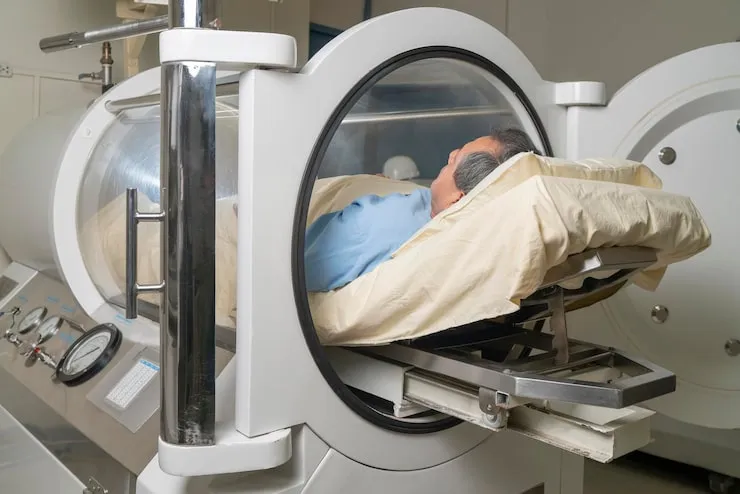
During hyperbaric oxygen therapy, a patient breathes oxygen inside a specially designed chamber where the pressure is higher than normal atmospheric pressure. This allows more oxygen to dissolve into the blood plasma, helping deliver oxygen to tissues in appropriate clinical circumstances.
The treatment is administered according to a medical protocol. The number of sessions and their duration depend on the patient's diagnosis, overall health, and response to treatment.
Medical Applications of Hyperbaric Oxygen Therapy
Hyperbaric oxygen therapy is used for selected medical indications, including:
- Non-healing wounds: May support healing in certain difficult-to-heal wounds when clinical criteria are met.
- Radiation-related tissue injuries: May help manage selected delayed injuries caused by radiation treatment.
- Decompression sickness: An established treatment for this pressure-related condition.
- Carbon monoxide poisoning: Used in selected cases under emergency medical protocols.
- Compromised grafts and tissue flaps: May be considered when tissue viability is threatened.
HBOT is not appropriate for every illness and should not replace standard medical care, medication, or necessary surgery.
What Patients Should Know Before Treatment
Before starting therapy, patients should undergo a medical assessment to determine whether HBOT is appropriate. The clinician reviews the diagnosis, medical history, medications, and potential risk factors.
Possible side effects include ear or sinus discomfort and temporary vision changes. More serious complications are uncommon but can occur. An untreated pneumothorax is a major contraindication, making appropriate screening essential.
Patients should also ask about the expected benefits, number of sessions, treatment costs, safety procedures, and how progress will be evaluated.
Choosing a Medically Guided HBOT Provider
When exploring hyperbaric oxygen therapy, look for a provider that prioritises medical supervision, qualified personnel, suitable equipment, and clear communication. Treatment recommendations should be based on recognised clinical indications rather than promises of guaranteed results.
Frequently Asked Questions
1. What is hyperbaric oxygen therapy used for?
It is used for selected medical conditions, including decompression sickness, certain cases of carbon monoxide poisoning, specific non-healing wounds, and some radiation-related tissue injuries.
2. How does hyperbaric oxygen therapy work?
It involves breathing oxygen under increased atmospheric pressure, which increases the amount of oxygen dissolved in the blood plasma.
3. Is hyperbaric oxygen therapy safe?
It can be administered safely when medically indicated and properly supervised, but side effects and complications are possible. Medical screening is essential.
4. How many sessions are required?
The number of sessions depends on the medical condition, treatment protocol, and individual response. A qualified clinician determines the appropriate schedule.
5. Can hyperbaric oxygen therapy replace conventional treatment?
No. It is generally used alongside standard medical care when appropriate and should not replace prescribed medication, surgery, or other essential treatment.
Conclusion
Hyperbaric oxygen therapy may support the treatment of specific medical conditions by increasing oxygen availability in body tissues. Its suitability depends on the diagnosis, clinical evidence, and individual medical circumstances. Patients should seek professional assessment and understand the potential benefits and risks before beginning treatment. Prana HBOT encourages a medically guided approach to hyperbaric oxygen therapy, with treatment decisions based on individual clinical needs and established medical guidance.



















Sign in to leave a comment.