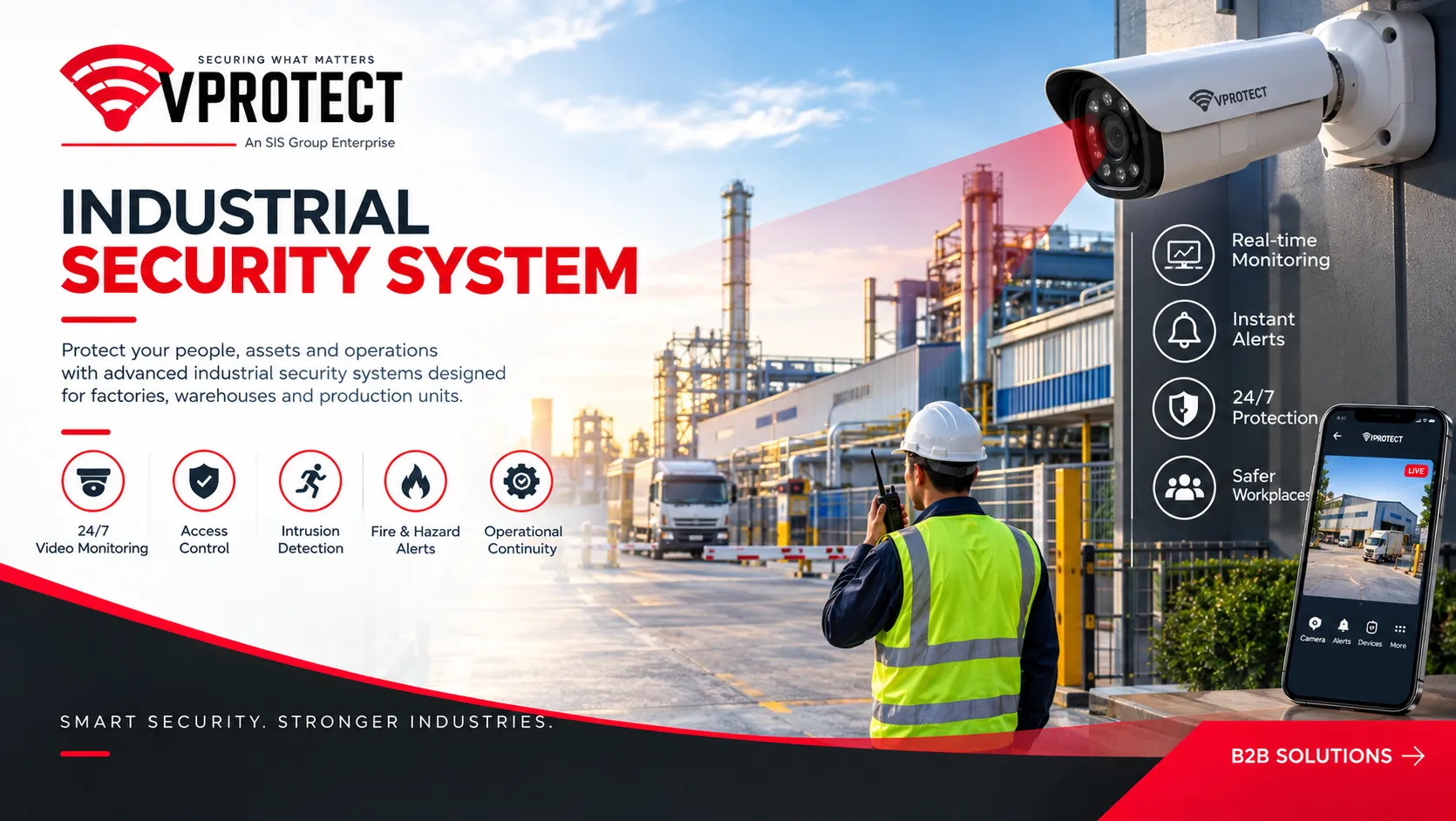

Employee entrances are an important part of any industrial facility. Every day, workers arrive for different shifts, leave at different times, and move through gates and access points while production continues around them.
Because industrial sites can have large numbers of employees, vehicles, contractors, and visitors, managing entry and exit properly can make the entire facility easier to secure.
A good system does not have to make employees wait unnecessarily. The goal is to make authorized access simple while keeping better control over who enters the premises.
Create a Clearly Defined Employee Entrance
Large industrial facilities may have several gates, but employees should know which entrance they are expected to use.
A clearly designated employee entrance can make access management easier for security personnel. It can also prevent unnecessary mixing of employee traffic with delivery trucks, contractors, and other visitors.
Where the facility has multiple shifts, the same entrance can continue to be used while access procedures are adjusted according to the schedule.
Use Appropriate Access Controls
Employees need reliable access to perform their jobs, but not every person needs access to every area.
Access cards, biometric systems, identification checks, or other suitable controls can help businesses manage entry according to employee roles.
For example, an employee working in administration may not require access to a restricted equipment room, while a maintenance worker may need access to technical areas.
Keep Employee and Visitor Access Separate
Visitors and employees often have different security requirements.
A visitor may need to report to reception, provide identification, or wait for an employee before entering the facility. Employees, on the other hand, may have authorized credentials that allow regular access.
Keeping these processes separate makes it easier for security personnel to identify unusual activity.
Consider Shift Changes
Shift changes can create short periods when a large number of employees enter or leave at the same time.
If hundreds of workers arrive within a short period, security checks can become difficult to manage efficiently.
Businesses can review shift schedules, entry lanes, gates, and access-control capacity to make sure the system can handle peak movement without creating unnecessary delays.
Monitor Important Entry Points
Employee entrances can benefit from appropriate monitoring.
Cameras can provide visibility around gates and doors, while access-control systems can record authorized and rejected entry attempts. Sensors may also be useful for monitoring specific doors or restricted areas.
An Industrial Security System can bring together different security technologies to help businesses monitor important access points and manage security across larger industrial premises.
Manage Lost or Misused Credentials
Employees can occasionally lose access cards, forget identification, or accidentally share credentials.
Businesses should have a simple procedure for reporting lost or compromised credentials. Access can then be disabled or updated according to company policy.
Regularly reviewing active credentials can also help identify accounts that are no longer required.
Pay Attention to Exit Procedures
Security should not stop once employees leave the facility.
Some industrial sites have equipment, tools, materials, or other assets that require appropriate controls when leaving the premises. Businesses can establish clear procedures for employees carrying company property or removing equipment for approved reasons.
The exact process will depend on the organization's policies and the type of facility.
Consider After-Hours Employees
Some industrial facilities operate around the clock.
Employees arriving late at night or early in the morning may encounter very different conditions from those working during the busiest part of the day.
Businesses should ensure that after-hours employees know which entrances to use, how to report problems, and whom to contact if they encounter an unusual situation.
Keep Access Records Organized
Access records can be useful when investigating an incident.
If an unusual event occurs in a restricted area, knowing which credentials were used to enter that part of the facility can provide useful information.
Access records should be managed responsibly and according to applicable company policies and privacy requirements.
Review Entry Procedures Regularly
Employee access requirements can change as the business grows.
New employees may join, workers may change departments, shifts may be reorganized, and new buildings or production areas may be added.
A periodic review can help ensure that access permissions and entry procedures still match the way the facility operates.
Make Security Convenient for Employees
A security system works best when employees can follow it easily.
If procedures are confusing or unnecessarily slow, employees may look for ways around them. Clear instructions, reliable access equipment, well-defined entrances, and straightforward reporting procedures can make compliance easier.
The objective is to maintain control without creating unnecessary friction for people who are authorized to enter the facility.
Conclusion
Employee entry and exit is one of the most regular activities at an industrial facility, which makes it an important part of physical security planning.
By defining employee entrances, separating visitor access, using appropriate access controls, preparing for shift changes, monitoring important entry points, and reviewing credentials regularly, businesses can create a more organized approach to daily access.
Good industrial security should work alongside normal operations. When employees can enter and leave efficiently while important access points remain controlled, both security and day-to-day productivity can benefit.



























Sign in to leave a comment.