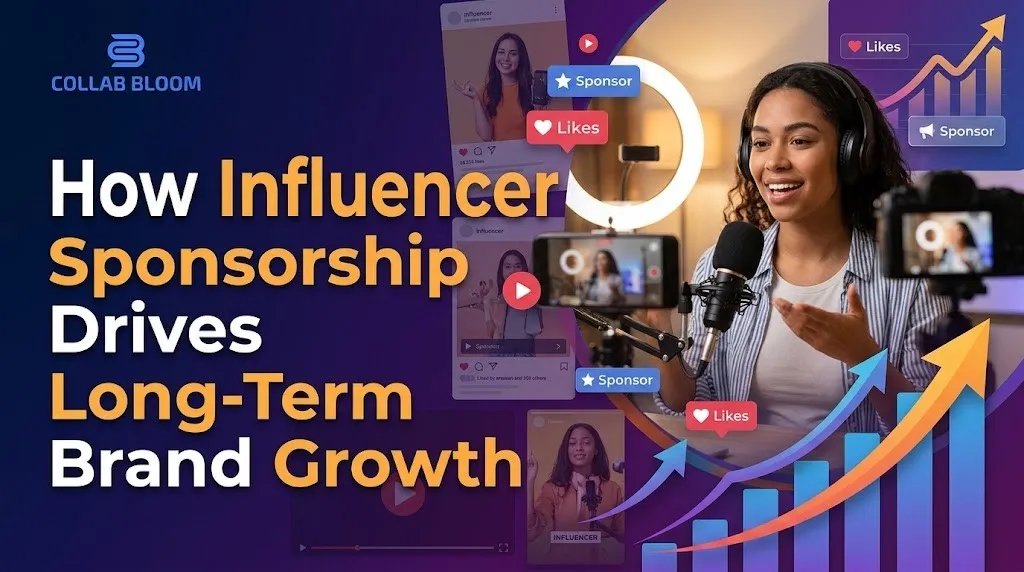

Influencer Sponsorship has become an important strategy for brands that want to build lasting visibility, credibility, and customer relationships. Unlike short-term advertising campaigns that may disappear once the budget ends, well-planned influencer partnerships can create repeated exposure and meaningful connections with a specific target audience. When brands work with creators who genuinely match their values, products, and audience, sponsored content can feel more authentic and relevant.
The real value of Influencer Sponsorship goes beyond immediate clicks, likes, or sales. A successful partnership can strengthen brand awareness, improve social proof, increase audience trust, and create long-term brand associations. Consistent collaboration with the right influencers can also help businesses reach new customers while maintaining relationships with existing ones.
What Is Influencer Sponsorship?
Influencer Sponsorship is a marketing arrangement where a brand compensates an influencer or content creator to promote its products, services, or message to the creator's established audience. Compensation can include money, free products, services, affiliate commissions, exclusive experiences, or other forms of value.
The effectiveness of influencer sponsorship depends heavily on relevance and credibility. An influencer with millions of followers is not automatically the best choice. A creator with a smaller but highly engaged audience can sometimes generate stronger results because their recommendations may feel more personal and trustworthy.
How Sponsored Influencer Partnerships Work
A typical sponsored partnership begins when a brand identifies creators whose audience matches its target customers. The brand and influencer then agree on campaign objectives, content formats, compensation, messaging, timelines, and disclosure requirements.
The creator produces content that introduces the brand to their audience while maintaining their personal style. Depending on the campaign, this can involve videos, reviews, tutorials, social media posts, livestreams, stories, podcasts, or other forms of creator content.
When these partnerships are managed strategically, the influencer becomes more than a temporary promotional channel. They can become a recognizable brand advocate whose repeated association with the company strengthens audience familiarity over time.
How Influencer Sponsorship Builds Brand Awareness
Influencer Sponsorship can significantly expand brand visibility by placing a company directly in front of audiences that already follow and trust a particular creator. Instead of starting from zero, brands can use an influencer's existing community to introduce their products naturally.
Repeated exposure is especially valuable for long-term growth. A single sponsored post may create initial awareness, but consistent appearances across different pieces of content can make a brand more recognizable. Over time, consumers may begin to associate the company with specific qualities, products, or solutions.
Creating Repeated Brand Exposure
Long-term influencer marketing works because familiarity can influence purchasing decisions. When audiences repeatedly see a brand through valuable and relevant content, the company becomes easier to remember when a related need eventually appears.
For example, a fitness brand working with the same creator over several months can become strongly associated with that creator's fitness journey. The audience sees the products being used in different contexts rather than encountering a single advertisement.
This repeated exposure can improve brand recall and contribute to a stronger market presence.
Building Consumer Trust Through Influencer Partnerships
Trust is one of the most important advantages of Influencer Sponsorship. Consumers often pay attention to creators because they appreciate their expertise, personality, experiences, or opinions. When an influencer introduces a product that genuinely fits their content, the recommendation can carry more credibility than a traditional advertisement.
However, trust can disappear quickly if sponsored content feels misleading or forced. Brands should therefore prioritize authenticity instead of controlling every word or action of the creator.
Authenticity Strengthens Brand Credibility
Authentic influencer collaborations allow creators to communicate sponsored messages in their natural voice. This does not mean brands should ignore campaign requirements. Instead, businesses should provide clear objectives while allowing creators enough creative freedom to produce content that feels genuine.
When sponsored content matches an influencer's usual style, audiences are more likely to engage with it. Authenticity can also help brands develop a reputation for being transparent and customer-focused.
Proper sponsorship disclosure is equally important because transparency protects both the creator and the brand while supporting ethical influencer marketing practices.
Influencer Sponsorship and Customer Engagement
Long-term growth requires more than awareness. Brands must also encourage people to interact with their content, ask questions, share experiences, and eventually become customers. Influencers can help create these interactions because their communities often have ongoing conversations around their content.
Comments, direct messages, shares, reactions, livestream discussions, and user-generated content can all provide valuable engagement opportunities. A strong creator partnership can turn a passive audience into an active brand community.
Turning Followers Into Brand Advocates
When customers have positive experiences with a product introduced through a trusted influencer, they may begin sharing their own experiences. This creates user-generated content that can extend the original campaign beyond the sponsored post.
For example, an influencer may encourage followers to try a product and share their results. Customers who participate can generate additional organic visibility, creating a cycle where sponsored content encourages community-created content.
This process can strengthen social proof and increase the brand's credibility among potential customers.
Creating Long-Term Influencer Relationships
One-off sponsorships can generate useful exposure, but long-term creator relationships often provide greater strategic value. When an influencer works with a brand repeatedly, their audience has more opportunities to understand the company's products, personality, and values.
A long-term partnership also allows creators to develop deeper product knowledge. Instead of simply presenting promotional information, they can demonstrate how a product fits into real situations.
Why Consistent Creator Partnerships Matter
Consistency helps establish a stronger connection between the influencer and the brand. Over time, audiences may begin to expect the creator to feature certain products, which can make the relationship feel more familiar.
Brands can also learn from repeated campaigns. Performance data from previous collaborations can help marketers improve content formats, messaging, targeting, and campaign timing.
Instead of treating every sponsorship as an isolated transaction, businesses can view creator relationships as part of their broader brand-building strategy.
Influencer Sponsorship Supports Social Proof
Social proof can influence how consumers evaluate unfamiliar brands. When people see trusted creators using, reviewing, or recommending a product, they receive an additional signal that the brand may be worth considering.
Influencer content can provide social validation through demonstrations, testimonials, product comparisons, tutorials, and personal experiences. This is particularly valuable for newer businesses that have not yet built extensive brand recognition.
Strengthening Product Credibility
Creators can explain product benefits in practical ways that traditional advertisements may struggle to communicate. They can demonstrate features, describe their experiences, answer audience questions, and show how products fit into everyday life.
This type of content can reduce uncertainty and help potential customers understand what makes a product valuable. As more consumers interact with credible creator content, the brand can gradually build stronger perceived credibility.
Reaching the Right Target Audience
Influencer marketing is most effective when brands focus on audience relevance rather than follower numbers alone. A creator's audience demographics, interests, location, purchasing behavior, and engagement patterns should align with the company's target market.
Influencer Sponsorship allows brands to access niche communities that may be difficult to reach through broad advertising campaigns. This makes creator marketing particularly useful for specialized products and services.
Using Niche Influencers for Better Relevance
Micro-influencers and niche creators can offer highly focused communities. Their audiences may be smaller, but the people following them often have strong interest in a specific subject.
For example, a specialized skincare brand may gain more value from partnering with a skincare educator whose followers actively seek product recommendations than from working with a general entertainment creator with a much larger audience.
Audience relevance can therefore be more important than raw follower count.
Measuring the Long-Term Impact of Influencer Sponsorship
Successful Influencer Sponsorship requires measurement. Brands should evaluate both immediate campaign results and longer-term effects. Looking only at likes or views can provide an incomplete picture of performance.
Businesses can monitor engagement rate, website traffic, conversions, sales, referral traffic, customer acquisition, brand searches, content performance, and audience growth. Tracking these metrics across multiple campaigns can reveal whether influencer relationships are contributing to sustainable business growth.
Connecting Influencer Marketing With Business Goals
Every sponsorship should have a clear objective. Some campaigns may focus on brand awareness, while others may prioritize website visits, lead generation, product sales, or customer retention.
When objectives are defined before the campaign begins, marketers can select appropriate performance indicators. For example, a campaign focused on awareness may prioritize reach and branded searches, while a conversion-focused campaign may emphasize sales and qualified traffic.
This approach helps businesses understand the actual business value of influencer marketing rather than treating engagement numbers as the only measure of success.
Integrating Influencer Sponsorship With Content Marketing
Influencer Sponsorship becomes more powerful when it works alongside a broader content marketing strategy. Brands can repurpose high-performing creator content across their websites, social media channels, email campaigns, paid advertisements, and product pages when appropriate permissions are secured.
A creator's product demonstration, review, or testimonial can provide valuable material for multiple marketing channels.
Building a Connected Marketing Ecosystem
Instead of keeping influencer content isolated on the creator's profile, brands can connect it with their broader digital marketing activities. A sponsored video may introduce a product, while the company's website provides detailed information and an email campaign encourages further engagement.
This creates a consistent customer journey from discovery to consideration and purchase. Influencer content becomes one component of a larger marketing ecosystem rather than a standalone advertisement.
The Role of Influencer Sponsorship in Customer Loyalty
Long-term brand growth depends heavily on customer retention and loyalty. Influencers can contribute to this process by continuing to educate and engage audiences after the initial purchase.
When creators regularly discuss how they use a product, provide helpful tips, or introduce new products from the same company, existing customers receive additional reasons to remain connected with the brand.
Encouraging Repeat Purchases
Ongoing influencer relationships can keep a brand visible after the first purchase. Creators can introduce complementary products, new features, seasonal launches, or updated versions.
This continued communication can encourage customers to explore additional offerings while reinforcing their relationship with the company. When customers repeatedly encounter useful content from a trusted creator, the brand may remain more memorable between purchases.
Common Mistakes That Can Limit Long-Term Growth
Although influencer marketing can deliver strong results, poor strategy can reduce its effectiveness. Choosing creators based solely on follower numbers, ignoring audience relevance, using overly scripted content, and failing to measure performance can weaken a campaign.
Another common mistake is treating influencer partnerships as short-term transactions. A brand may receive temporary exposure but miss the opportunity to build a meaningful creator relationship.
Choosing Relationships Over Reach
The most valuable influencer partnership is not necessarily the one with the largest audience. Brands should consider whether the creator's content style, values, audience, credibility, and engagement align with the company's long-term positioning.
A smaller creator with strong audience trust may become a powerful brand advocate over time. Strategic compatibility should therefore remain a major factor in influencer selection.
Future of Influencer Sponsorship and Brand Growth
The future of Influencer Sponsorship is likely to focus increasingly on authenticity, long-term partnerships, niche communities, measurable performance, and creator-led storytelling. As audiences become more experienced at recognizing traditional advertising, genuine creator relationships can become increasingly valuable.
Brands will also need to balance technology with human connection. Data can help identify suitable influencers and measure results, but strong relationships and credible storytelling remain central to successful creator marketing.
Businesses that treat influencers as strategic partners rather than simple advertising channels can create stronger connections with consumers and establish a more sustainable competitive advantage.
Conclusion
Influencer Sponsorship can drive long-term brand growth when it is approached as a relationship-building strategy rather than a collection of isolated promotional campaigns. Consistent creator partnerships can increase brand awareness, strengthen consumer trust, improve engagement, generate social proof, and connect businesses with highly relevant audiences.
The strongest results come from selecting influencers based on audience alignment, authenticity, credibility, and long-term potential. Brands should also measure meaningful business outcomes and integrate creator content with their broader digital marketing strategy.
As consumers continue to value personal recommendations and relatable experiences, Influencer Sponsorship can remain an important part of sustainable brand development. Businesses that build genuine creator relationships and consistently deliver valuable experiences can turn influencer audiences into engaged customers, loyal advocates, and long-term sources of business growth.
Frequently Asked Questions
1. What is Influencer Sponsorship?
Influencer Sponsorship is a marketing partnership where a brand compensates a creator to promote its products, services, or message to the creator's audience. Compensation may involve payment, products, services, commissions, or other agreed benefits.
2. How does Influencer Sponsorship help brand growth?
Influencer Sponsorship can increase brand awareness, consumer trust, audience engagement, social proof, website traffic, and sales. Long-term partnerships can also create repeated exposure that strengthens brand recognition and customer relationships.
3. Are micro-influencers effective for Influencer Sponsorship?
Yes. Micro-influencers can be highly effective because they often have focused audiences and strong engagement. Their communities may trust their recommendations, making them valuable for brands targeting specific customer segments.
4. Should brands choose influencers based on follower count?
Follower count should not be the only consideration. Audience relevance, engagement rate, content quality, credibility, demographics, values, and previous performance are often more important when selecting an influencer for a strategic partnership.
5. How long should an influencer partnership last?
There is no universal duration. However, long-term collaborations often provide stronger opportunities for repeated exposure, audience familiarity, authentic storytelling, and relationship building than one-time sponsored posts.
6. Can Influencer Sponsorship increase customer trust?
Yes. When a creator genuinely fits the brand and provides authentic product experiences, sponsored content can strengthen credibility. Transparency and proper sponsorship disclosure are important for maintaining audience trust.
7. How can brands measure Influencer Sponsorship?
Brands can measure campaign performance through reach, engagement, website traffic, referral traffic, conversions, sales, customer acquisition, branded searches, and other metrics connected to their specific marketing objectives.
8. What makes an influencer partnership successful?
Successful partnerships generally combine audience relevance, authentic content, clear campaign objectives, creative freedom, consistent communication, appropriate compensation, and ongoing performance measurement.
9. Is Influencer Sponsorship suitable for small businesses?
Yes. Small businesses can use influencer sponsorship to reach niche audiences without competing directly with large brands for mass-market visibility. Working with relevant smaller creators can provide targeted exposure and potentially stronger audience engagement.
10. What is the biggest benefit of long-term influencer partnerships?
The biggest benefit is the ability to build familiarity and credibility over time. Repeated collaboration allows audiences to see a brand consistently through a trusted creator, which can strengthen awareness, engagement, customer loyalty, and long-term brand value.

























Sign in to leave a comment.