

Retail is no longer limited to shelves, displays, signs, and checkout counters. Today, customers increasingly expect brands to give them something more memorable than a traditional shopping trip. Interactive retail experiences can turn an ordinary store into an environment where customers explore, participate, discover, and connect with a brand in new ways.
From responsive displays and projection environments to interactive installations and immersive storytelling, technology is giving retailers more opportunities to create spaces that feel alive. Instead of simply presenting products, brands can design environments that invite customers to become part of the experience.
Future Colossal works at the intersection of creative technology, design, and physical experiences, developing interactive environments for retail, entertainment, marketing, and other industries. Its work includes projection environments, multiplayer interactive surfaces, sensory immersion, tracking and computer vision, AI-powered interactive narratives, and mixed-reality experiences.
What Are Interactive Retail Experiences?
Interactive retail experiences use technology, design, physical environments, or a combination of these elements to encourage customers to actively participate in a brand environment.
Traditional retail displays communicate information from the brand to the customer. Interactive environments create an exchange. A customer might touch a digital surface, trigger a projection, interact with a product display, play a game, explore a digital environment, or experience content that responds to their movement.
The goal is not simply to add technology for the sake of technology. Effective interactive retail design connects technology with a clear creative idea and a meaningful customer journey.
For example, a projection can transform an otherwise ordinary wall into an evolving visual environment. A motion-tracking system can allow customers to influence digital content through movement. A carefully designed interactive installation can turn a product demonstration into something customers actively remember.
Why Retail Spaces Are Becoming More Experiential
Online shopping has made product discovery more convenient, but physical stores can offer something digital shopping cannot fully reproduce: a shared, sensory experience.
A physical retail environment can use sound, lighting, architecture, movement, touch, visuals, and storytelling to create an atmosphere around a brand. Customers can interact with products and spaces while also experiencing the identity of the company.
This is where experiential retail becomes important.
Rather than asking customers only to look at products, experiential environments encourage them to explore. The store becomes part showroom, part storytelling environment, and part interactive experience.
Future Colossal describes its retail work as including window displays, end caps, projections, and custom sculptures designed to bring ordinary retail environments to life.
Projection Can Transform Ordinary Retail Spaces
Projection technology offers retailers a flexible way to change the appearance and atmosphere of a physical environment.
Instead of permanently rebuilding a space, high-resolution projections can introduce changing visuals, animations, environments, or storytelling elements. Walls, floors, windows, and other surfaces can become part of the experience.
Projection environments can also help brands create seasonal or campaign-specific experiences. A retailer might use one creative environment for a product launch and later replace it with an entirely different visual story.
The technology becomes especially powerful when it responds to customer activity.
Imagine walking into a store and seeing a digital environment react as you move through it. Instead of watching a screen from a distance, you become part of the content.
That shift from passive viewing to active participation can make a retail environment feel much more engaging.
Interactive Surfaces Encourage Exploration
Interactive surfaces can turn walls, tables, counters, and other physical elements into opportunities for discovery.
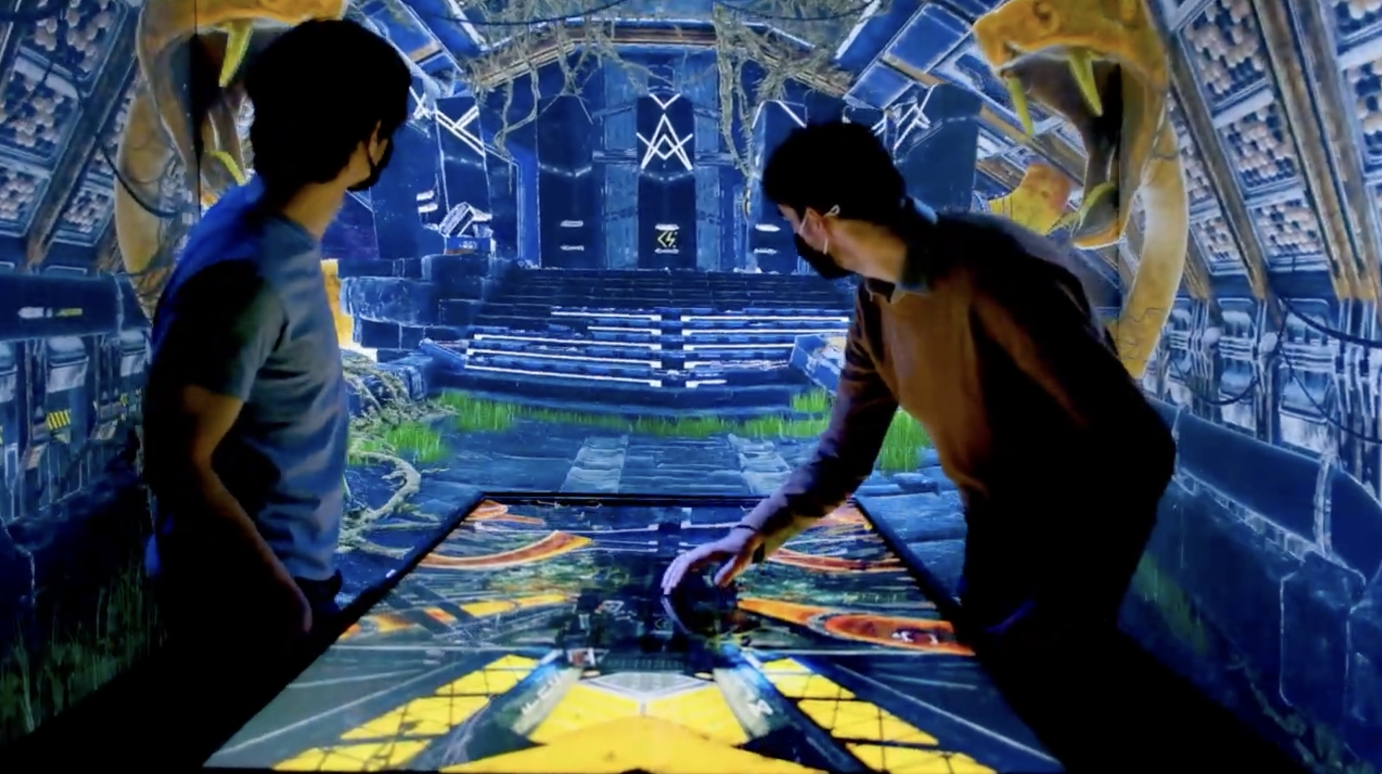
Touch and gesture-based interfaces allow multiple people to participate in an experience. This can be useful for product exploration, games, storytelling, educational content, and brand activations.
For retailers, interactive surfaces can also provide a way to organize large amounts of information without relying entirely on traditional printed signage.
Customers can choose what they want to explore and move through information at their own pace.
The experience can therefore become more flexible while still supporting the brand's overall message.
Personalization Makes Experiences More Relevant
One of the most interesting developments in interactive environments is the ability to make experiences respond to individual visitors.
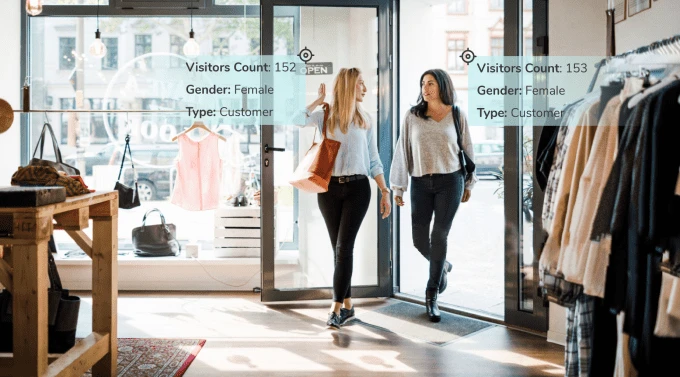
Tracking and computer vision technologies can help interactive systems understand movement, position, or other forms of interaction. Future Colossal identifies tracking and computer vision as technologies it uses to personalize creative attractions through system integration and smart systems.
Personalization does not always need to mean collecting extensive personal information. It can simply mean that the environment responds to what a person does.
For example, a customer could approach a display and trigger different content depending on where they stand. A group of visitors could activate a collaborative game. A movement-based installation could change its visuals as people walk through the space.
These interactions can make customers feel that the environment is responding to them rather than simply displaying predetermined content.
Storytelling Gives Technology a Purpose
Technology alone does not create a memorable retail experience.
A collection of screens, projections, sensors, and interactive elements can quickly become overwhelming if there is no creative direction connecting them.
Storytelling gives an experience structure.
A strong retail concept can establish a beginning, a sense of discovery, interactive moments, and a memorable conclusion. The physical environment, digital content, lighting, sound, and technology can then support the same narrative.
This approach is similar to the principles used in themed entertainment, where technology is integrated into a larger story rather than treated as an isolated attraction.
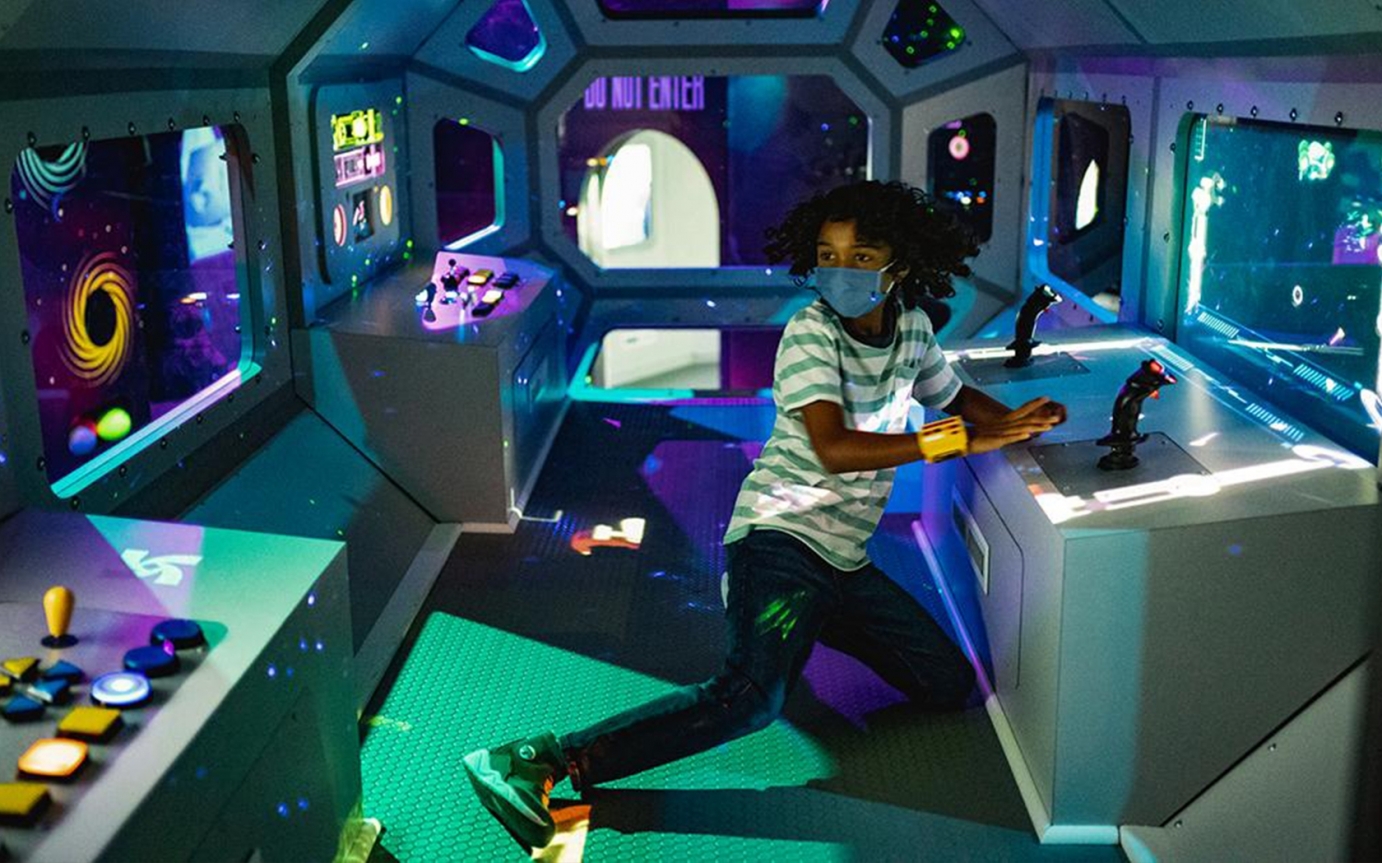
Future Colossal's work in themed entertainment demonstrates this approach through interactive environments designed around narratives and guest participation. Its Cosmic Camp project, for example, combines a space-themed environment with interactive gameplay and projection technology.
Immersive Retail Can Support Different Customer Journeys
Not every customer enters a store with the same goal.
Some visitors want to explore. Others are looking for a specific product. Some may be familiar with the brand, while others are discovering it for the first time.
Interactive retail design can support these different behaviors by creating multiple levels of engagement.
A customer who wants a quick visit can still navigate the space easily. Someone interested in exploring can discover additional interactive elements. Groups can participate together, while individual visitors can engage independently.
Good experience design therefore needs to balance excitement with usability.
The technology should enhance the journey rather than make it confusing.
Interactive Experiences Can Extend Beyond the Store
Retail experiences do not necessarily have to stay inside a permanent storefront.
Brands can create temporary pop-ups, touring installations, mobile experiences, trade-show activations, and public-space installations.
Future Colossal lists pop-ups, touring installations, trade shows, public spaces, live events, and mobile experiences among the environments where its creative technology work can be applied.
This flexibility allows brands to bring interactive experiences to different audiences and locations.
A temporary installation can also give a brand an opportunity to experiment with a new concept before developing a larger permanent environment.
Designing Technology Around People
The most successful interactive retail concepts begin with people rather than hardware.
Before selecting a projection system, sensor, display, or interactive platform, designers need to understand what customers should experience.
Should they discover something? Play? Learn? Share? Explore? Create? Connect with a product?
Once that objective is clear, technology can become a tool for achieving it.
This approach also helps create experiences that are practical to operate. Reliability, maintenance, scalability, accessibility, and visitor flow all need to be considered alongside creative ambition.
Future Colossal's themed entertainment practice specifically highlights technical reliability, testing, redundancy, stability, scalability, and documentation as important considerations when developing interactive attractions.
The Future of Retail Is More Interactive
As physical retail continues to evolve, the role of the store can expand beyond simply displaying products.
Stores can become places where customers experience a brand story, interact with technology, participate in activities, and create memories. Digital content can change the atmosphere of a space, while sensors and interactive systems can make environments more responsive.
This does not mean every store needs to become a high-tech attraction. Instead, brands can choose technologies that support their identity and customer experience.
A carefully designed interactive window may be enough for one campaign. Another brand may benefit from a fully immersive environment with interactive surfaces, projection, sound, and responsive systems.
The possibilities depend on the space, audience, creative concept, and business objectives.
Conclusion
Interactive retail experiences are changing how brands think about physical spaces. Instead of treating stores as static environments, businesses can use creative technology to make them more responsive, engaging, and memorable.
Projection environments, interactive surfaces, sensory design, computer vision, AI, and mixed reality can all contribute to experiences that encourage customers to participate rather than simply observe.
The most effective approach is not about using the newest technology simply because it is available. It is about combining technology, storytelling, design, and human interaction to create an environment with a clear purpose.
For retailers looking to create memorable physical experiences, the future may be less about asking customers to simply visit a store and more about giving them a reason to experience it. ✨











Sign in to leave a comment.