How Jockey Pump Parts Support Fire Protection Systems

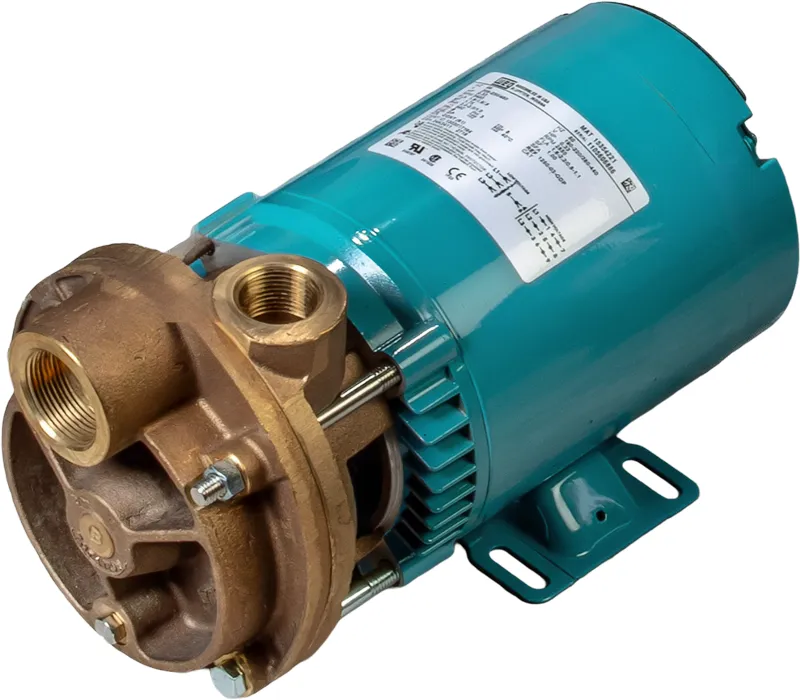
A jockey pump plays an important role in maintaining stable pressure within a fire protection system between emergency events. Although it is smaller than the primary fire pump, its operation helps prevent unnecessary starts of the main pump when pressure changes occur during normal conditions. Properly selected and maintained jockey pump parts help the system maintain dependable pressure and respond appropriately when demand increases. Understanding these components allows facility managers and maintenance teams to recognize their importance and support reliable fire protection performance over time.
Maintaining Consistent System Pressure
A jockey pump operates when pressure in the fire protection piping system falls below a predetermined level. Small pressure losses can occur because of temperature changes, minor leakage, or routine system conditions. Instead of activating the larger fire pump for every small pressure variation, the jockey pump restores pressure efficiently. This reduces unnecessary cycling of the primary pump and helps preserve its operating condition. Reliable components allow the jockey pump to perform this supporting role consistently while helping maintain the pressure levels expected throughout the protected facility.
Key Components of a Jockey Pump
Understanding Pump Components
A jockey pump contains several components that work together to move water and maintain pressure. These can include the pump casing, impeller, shaft, mechanical seal, bearings, coupling, and associated hardware. Each component contributes to dependable operation, and a problem with one part can affect the performance of the complete assembly. Understanding the purpose of these components helps maintenance personnel identify potential concerns before they develop into more significant operational problems. Proper component selection also supports efficient operation and helps extend the useful service life of the equipment.
The Importance of Mechanical Seals
Mechanical seals help prevent water from escaping around the rotating shaft where it passes through the pump casing. Over time, seals can experience wear caused by operating conditions, pressure, temperature, or normal aging. A deteriorated seal may result in visible leakage and can eventually affect other components if the issue remains unresolved. Regular inspection helps identify signs of seal deterioration early. Replacing worn seals with properly matched components can help restore pump performance and reduce the possibility of water damage or unnecessary equipment deterioration around the pumping assembly.
How Jockey Pump Parts Affect Performance
Supporting Efficient Operation
The condition of individual components can have a direct effect on how efficiently a jockey pump operates. Worn bearings may increase vibration, damaged impellers can reduce hydraulic performance, and deteriorated seals can create leakage. When several components begin experiencing wear simultaneously, the pump may require more frequent attention and may not maintain pressure as effectively. Routine inspections help identify these conditions before they become serious. Maintaining properly functioning components allows the pump to operate efficiently and provides an important layer of support for the overall fire protection system.
Preventing Unnecessary Main Pump Starts
One of the primary benefits of a properly functioning jockey pump is its ability to handle minor pressure losses without activating the main fire pump. Frequent starts of a larger fire pump can place unnecessary stress on mechanical and electrical equipment. A dependable jockey pump reduces these unnecessary starts by restoring pressure when small fluctuations occur. Properly maintained components therefore contribute indirectly to the longevity of the primary pumping equipment. This relationship demonstrates why even relatively small components deserve consistent inspection, maintenance, and timely replacement when deterioration becomes apparent.
Common Problems Affecting Jockey Pump Components
Wear and Mechanical Deterioration
Normal operation gradually affects rotating and stationary components within a jockey pump. Bearings may develop wear, seals can deteriorate, and shafts may become affected by corrosion or mechanical stress. Impellers can also experience damage from unsuitable operating conditions or prolonged use. These issues may cause unusual sounds, vibration, leakage, pressure problems, or reduced performance. Identifying these warning signs allows maintenance personnel to investigate the equipment before a minor component issue becomes a larger operational concern. Timely attention can also help prevent additional damage to surrounding equipment.
Electrical and Control Related Concerns
A jockey pump depends on appropriate controls and electrical components to operate when system pressure falls. Problems involving wiring, switches, sensors, or control settings can prevent the pump from responding correctly. In some cases, the mechanical components may remain in good condition while the pump still fails to perform because the control system is not functioning properly. Regular inspection should therefore consider both mechanical and electrical conditions. A complete maintenance approach helps ensure that the pump receives the correct signals and operates when pressure support is required.
Selecting Replacement Components
Matching Components Correctly
Replacement components should be selected according to the pump's design, operating requirements, dimensions, and manufacturer specifications. Using an unsuitable component can create installation difficulties or affect pump performance. Maintenance teams should verify important details such as material, size, configuration, and compatibility before ordering replacement items. Accurate identification can reduce delays and prevent the installation of components that do not meet operational requirements. Properly matched components also help maintain the original operating characteristics of the pump and contribute to dependable performance after maintenance has been completed.
Considering Quality and Durability
Quality should remain an important consideration when replacement components are selected for fire protection equipment. Components that experience repeated operation must withstand the pressure, temperature, and mechanical conditions associated with the pumping system. Choosing suitable materials and dependable construction can help reduce premature deterioration. Cost alone should not determine the selection because an inexpensive component that fails early may create additional labor, replacement, and downtime expenses. A balanced approach considers compatibility, expected service life, operating conditions, availability, and the importance of dependable fire protection equipment.
Maintenance Practices for Jockey Pump Components
Conducting Regular Inspections
Routine inspections provide an opportunity to identify developing problems before they affect system reliability. Maintenance personnel can look for leakage, unusual vibration, abnormal sounds, corrosion, loose connections, and visible component deterioration. Pressure behavior should also be observed to determine whether the pump is maintaining system conditions appropriately. Inspection findings should be documented so that changes can be recognized over time. Consistent records can help maintenance teams identify recurring concerns and determine when a component may require adjustment, repair, or replacement based on its condition and operating history.
Addressing Problems Promptly
Small problems should not be ignored simply because the jockey pump is not the primary fire pump. A leaking seal, worn bearing, or damaged coupling can become more serious when operation continues without correction. Prompt attention can limit secondary damage and reduce the possibility of unexpected equipment problems. Maintenance personnel should evaluate unusual operating behavior and determine its cause rather than simply resetting controls or continuing operation. Corrective action based on the underlying problem helps preserve component condition and supports the dependable operation of the fire protection system.
Why Proper Maintenance Supports System Reliability
Reducing Unexpected Downtime
Fire protection equipment must remain available when it is needed, making reliability an important maintenance objective. A properly maintained jockey pump can help maintain system pressure and reduce unnecessary activation of the primary fire pump. When components are inspected and replaced at appropriate intervals, the likelihood of unexpected mechanical problems can be reduced. Planned maintenance also gives facility managers greater visibility into equipment condition. This allows repairs and component replacement to be scheduled more effectively instead of waiting for an unexpected failure that could interrupt normal facility operations.
Protecting the Primary Fire Pump
The jockey pump also provides indirect protection for the primary fire pump by handling relatively small pressure losses. If the jockey pump cannot maintain pressure effectively, the primary pump may start more frequently than necessary. Excessive cycling can place additional stress on the primary pump and related equipment. Maintaining the smaller pump therefore contributes to the broader health of the fire protection system. Proper component care helps ensure that each part of the system performs its intended function while reducing avoidable demands on larger and more critical equipment.
When Jockey Pump Parts May Need Replacement
Recognizing Warning Signs
Several warning signs can indicate that a component requires closer evaluation. Persistent leakage, excessive vibration, unusual operating sounds, repeated pressure fluctuations, and reduced pumping performance can all indicate developing problems. Visible corrosion or damage may also justify further inspection. Maintenance personnel should avoid assuming that every symptom has the same cause because similar operating problems can result from different component failures. A careful assessment can identify the source of the issue and determine whether adjustment, repair, or component replacement is the most appropriate solution.
Planning Replacement Before Failure
Waiting until a component fails completely can create unnecessary maintenance challenges. Replacement planning based on inspection findings, operating history, and component condition allows facility managers to address concerns before they become urgent. Maintaining an appropriate inventory of commonly needed components can also reduce delays when repairs are required. Planned replacement supports better maintenance scheduling and may reduce the disruption associated with emergency repairs. This proactive approach is particularly valuable for facilities where fire protection equipment must remain dependable and ready for operation under demanding circumstances.
The Value of Professional Jockey Pump Maintenance
Supporting Accurate Diagnosis
Professional maintenance can help determine whether a performance problem originates from the pump, its components, controls, or surrounding system conditions. Experienced technicians can evaluate operating symptoms and inspect relevant components before recommending corrective action. This approach reduces the likelihood of replacing a component unnecessarily or overlooking an underlying problem. Accurate diagnosis is especially important when pressure behavior or repeated equipment cycling indicates a deeper issue. A thorough evaluation helps ensure that maintenance decisions are based on actual equipment condition rather than assumptions.
Maintaining Long Term Performance
Consistent maintenance provides a practical way to preserve jockey pump performance throughout its service life. Inspections, testing, adjustments, cleaning, lubrication where appropriate, and timely component replacement can help prevent avoidable deterioration. Maintenance records also provide useful information for planning future service and identifying recurring issues. When these activities are performed systematically, facility managers gain greater confidence in the condition of the fire protection equipment. Reliable maintenance practices ultimately support both equipment longevity and the readiness of the overall fire protection system.
Conclusion
Jockey pumps provide an important supporting function by maintaining pressure and reducing unnecessary activation of larger fire pumps. Their effectiveness depends on the condition of mechanical, electrical, and control components working together as intended. Regular inspections, accurate component selection, prompt repairs, and planned replacement can help maintain dependable operation. Facilities that give appropriate attention to these components can better support fire protection system reliability and reduce avoidable equipment problems. Steven Brown & Associates, Inc. provides specialized knowledge and support for facilities seeking dependable fire pump solutions, parts, service, and maintenance assistance.






Sign in to leave a comment.