

Chronic pain can affect much more than physical comfort. Persistent pain may interfere with sleep, exercise, work, mood, and everyday activities. While medical treatments can play an important role in managing pain, lifestyle habits can also influence how the body responds to discomfort and physical stress.
Lifestyle changes are not a replacement for professional medical care, particularly when pain is severe or persistent. However, when combined with an appropriate treatment plan, healthy daily habits may support mobility, improve physical function, and make chronic pain easier to manage.
Understanding the Connection Between Lifestyle and Chronic Pain
Chronic pain can involve several factors, including inflammation, muscle weakness, joint changes, nerve sensitivity, previous injuries, and movement patterns. Sleep quality, stress, physical activity, and nutrition can also influence how a person experiences pain.
This means that pain management often requires more than addressing the painful area itself. Looking at daily habits can provide additional opportunities to improve overall physical health and function.
A personalized approach is important because lifestyle recommendations that work for one person may not be appropriate for another.
Staying Physically Active
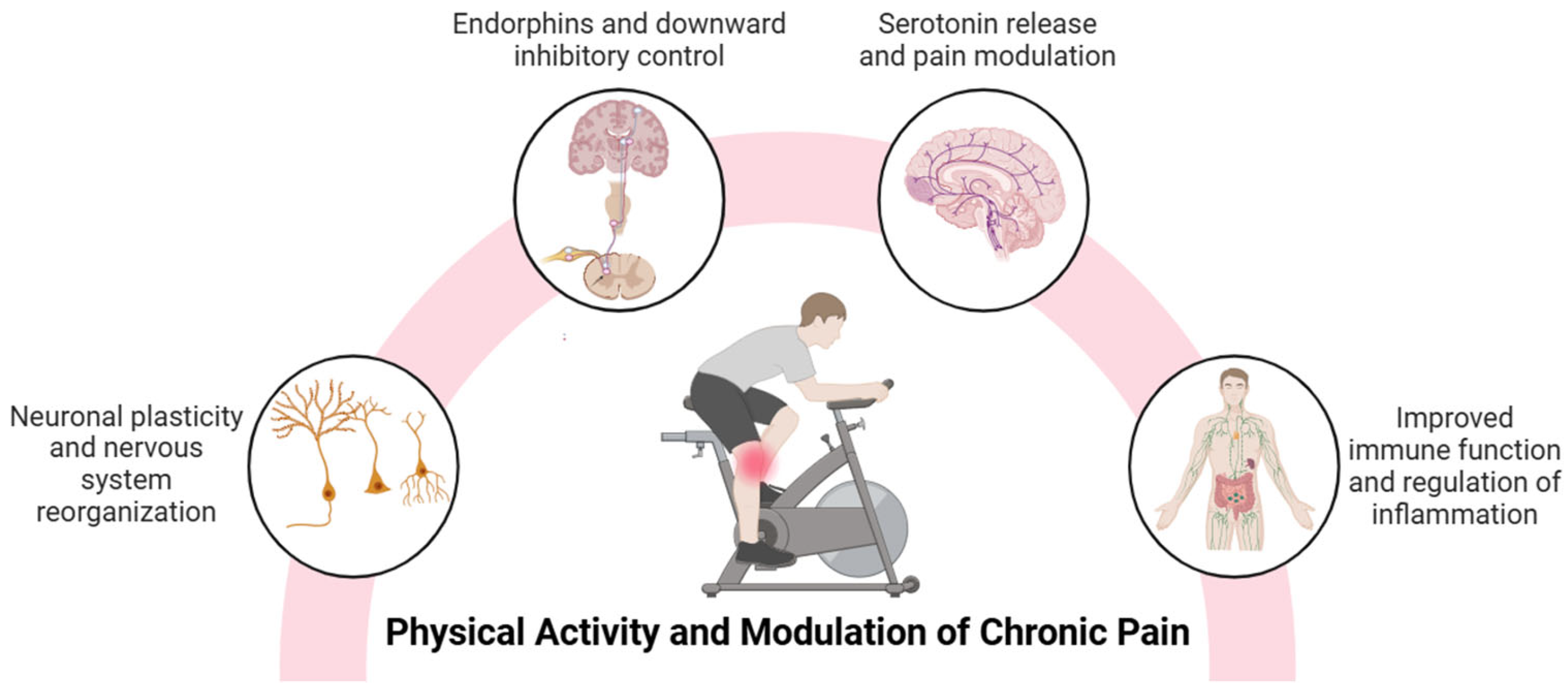
Regular movement is one of the most important lifestyle factors for people managing chronic pain. Avoiding physical activity completely may lead to muscle weakness, reduced flexibility, and decreased endurance over time.
Low-impact activities such as walking, swimming, cycling, stretching, and certain forms of strength training may be easier to tolerate than high-impact exercise.
The goal is not necessarily to exercise intensely. Instead, consistent and appropriate movement can help maintain strength and mobility.
People with chronic joint, muscle, or spine pain should gradually increase activity levels and avoid pushing through significant or worsening pain. A healthcare professional or physical therapist can help identify suitable exercises.
Improving Sleep Quality
Pain and poor sleep can influence each other. Chronic discomfort may make it difficult to fall asleep or stay asleep, while inadequate sleep can make pain feel more difficult to tolerate.
Creating a consistent sleep routine can help support better rest. Going to bed and waking up at similar times, limiting excessive screen use before bedtime, and maintaining a comfortable sleeping environment are simple strategies that may help.
If persistent pain regularly disrupts sleep, addressing the underlying cause of the pain is also important.
Maintaining a Balanced Diet
Nutrition can contribute to overall health and may support the body's ability to manage physical stress. A balanced diet should generally include vegetables, fruits, whole grains, lean protein sources, healthy fats, and adequate fluids.
Foods containing omega-3 fatty acids, fiber, vitamins, and minerals can be part of a balanced eating pattern. At the same time, regularly consuming excessive amounts of highly processed foods, added sugars, and unhealthy fats may make it harder to maintain overall health.
There is no single diet that eliminates chronic pain. Nutrition should be considered one component of a broader pain management strategy.
Maintaining a Healthy Body Weight
For people experiencing pain in weight-bearing joints, body weight can influence the mechanical load placed on structures such as the knees, hips, and lower back.
If someone is above their healthy weight range, gradual weight management may reduce physical stress on these areas. It can also make movement and exercise easier for some individuals.
Weight management should focus on sustainable habits rather than extreme diets or rapid weight loss. A healthcare professional or registered dietitian can provide guidance when needed.
Managing Stress
Stress does not necessarily cause chronic pain, but ongoing stress can affect muscle tension, sleep, mood, and the way the nervous system processes discomfort.
Relaxation techniques such as deep breathing, meditation, gentle stretching, journaling, and mindfulness may help some people manage stress.
Finding enjoyable activities and maintaining social connections can also support emotional well-being. For people dealing with persistent pain, addressing stress is often an important part of a comprehensive approach.
Improving Posture and Movement Habits
Daily movement patterns can contribute to discomfort in certain situations. Spending long periods sitting, using poor workstation positioning, or repeatedly performing movements that place excessive stress on a particular area may aggravate symptoms.
Simple adjustments can help. Taking regular movement breaks, adjusting the height of a computer screen, supporting the lower back when sitting, and using proper lifting techniques can all contribute to better movement habits.
However, posture is only one potential factor in pain. Persistent symptoms should not automatically be attributed to poor posture alone.
Avoiding Smoking and Excessive Alcohol
Smoking can affect circulation and overall tissue health, while excessive alcohol consumption can interfere with sleep, recovery, and general health.
Reducing or avoiding these habits may support overall well-being and complement other pain management strategies.
Anyone struggling to stop smoking or reduce alcohol consumption can discuss appropriate support options with a healthcare professional.
Combining Lifestyle Changes With Medical Care
Lifestyle changes are most effective when they are integrated into an appropriate treatment plan. Depending on the cause of chronic pain, treatment may include physical therapy, medications, activity modification, targeted injections, or other interventions.
For individuals experiencing persistent back or spine-related symptoms, consulting a Back Pain Doctor in Newport Beach can help identify potential causes and appropriate treatment options.
For chronic joint pain, treatment may similarly involve exercise, rehabilitation, lifestyle modifications, and other therapies based on the underlying condition. A Knee Pain Doctor in Newport Beach can assess symptoms and discuss suitable options.
In selected cases, regenerative treatments may also be considered. Patients interested in PRP Injections for Natural Rejuvenation should first discuss their condition, treatment goals, and expected outcomes with a qualified healthcare professional.
Making Sustainable Changes
One of the biggest challenges with lifestyle-based pain management is consistency. Trying to change everything at once can become overwhelming.
Instead, patients can start with manageable goals, such as taking a short daily walk, improving their sleep schedule, adding more nutritious foods to meals, or taking movement breaks during prolonged sitting.
Small improvements that can be maintained over time are generally more practical than temporary, restrictive changes.
When to Seek Professional Help
Lifestyle changes can support chronic pain management, but persistent pain should not always be managed independently. Professional evaluation may be appropriate when pain continues for several weeks, repeatedly returns, limits normal activities, or progressively worsens.
Urgent medical attention may be necessary when pain occurs with symptoms such as significant weakness, loss of bladder or bowel control, saddle-area numbness, fever, or major trauma.
Conclusion
Lifestyle habits can play a valuable supporting role in chronic pain management. Regular physical activity, quality sleep, balanced nutrition, healthy weight management, stress reduction, and better movement habits may help improve overall physical function and quality of life.
The most effective approach is usually individualized. By combining sustainable lifestyle changes with appropriate medical evaluation and treatment, people living with chronic pain can work toward better function and long-term symptom management.




























Sign in to leave a comment.