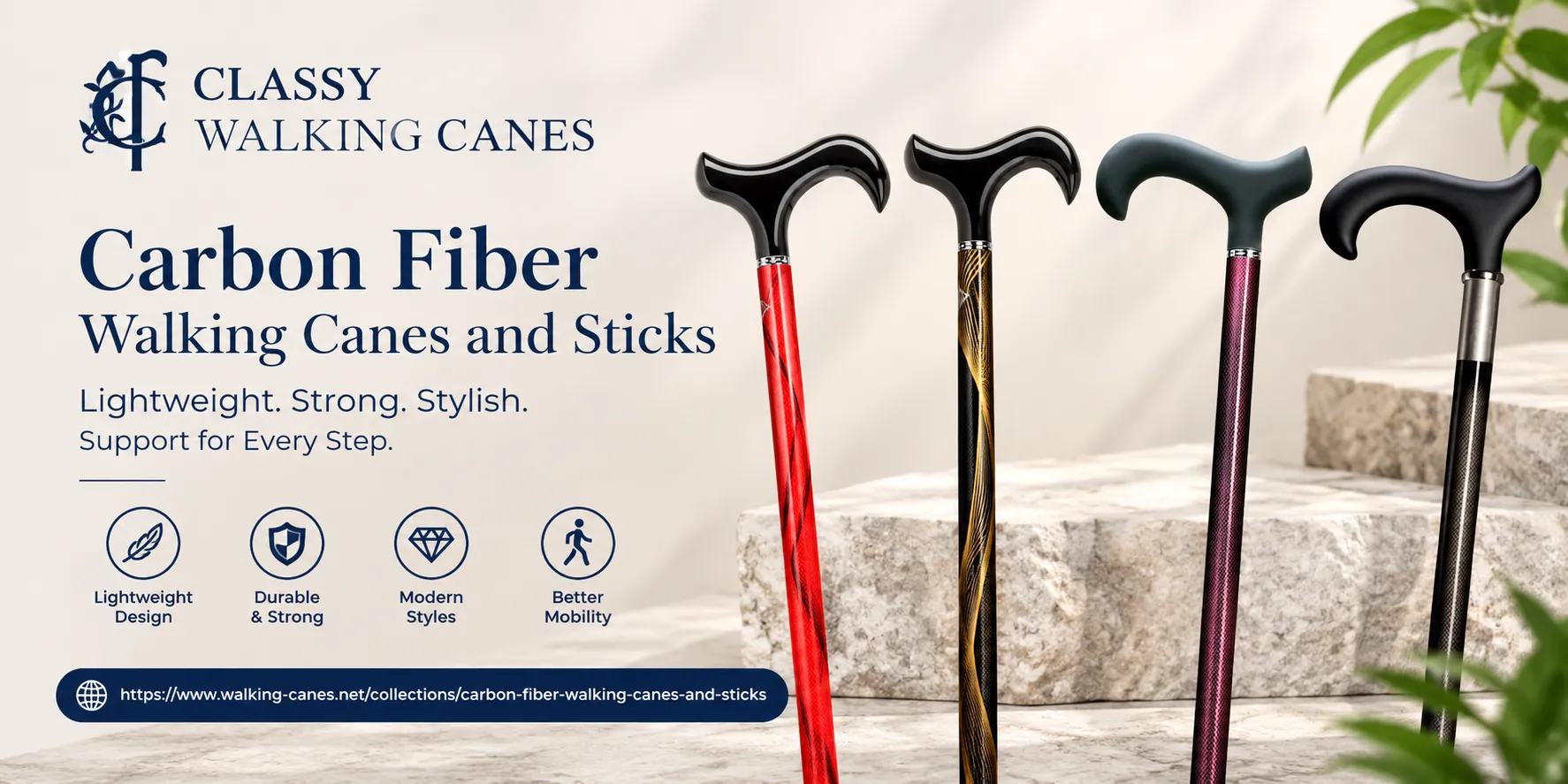

When choosing a walking cane, weight can make a bigger difference than many people expect. A cane is something you may lift, reposition, carry, and use repeatedly throughout the day, so a lighter design can make everyday movement feel more convenient. This is one reason Carbon Fiber Walking Canes and Sticks have become an appealing option for people looking for lightweight mobility support with a modern appearance.
Carbon fiber is known for its strength-to-weight characteristics. Depending on the design, carbon fiber walking canes can weigh well under one pound, although actual weight varies by shaft construction, handle, hardware, tip, and adjustment system. For example, current carbon fiber cane models on the U.S. market include designs weighing less than one pound.
But is lighter always better? Not necessarily. The right cane should balance weight with proper height, handle comfort, stability, construction, and the level of support you need.
Why Does Walking Cane Weight Matter?
Every time you walk with a cane, you typically lift and move it forward as you take steps. If you use your cane for several hours, travel frequently, or carry it when you are not actively walking, a heavy cane can become inconvenient.
A Lightweight Walking Cane can be easier to:
- Lift and reposition while walking
- Carry when moving between locations
- Store beside a chair, desk, or vehicle seat
- Take on trips and vacations
- Manage during shopping and everyday errands
- Use repeatedly throughout the day
For someone who already experiences hand, wrist, or arm fatigue, reducing unnecessary weight may make the cane more comfortable to handle. However, weight should never be considered separately from proper fit and safe use.
Mayo Clinic recommends checking both wrist height and elbow position when fitting a cane. It notes that the top of the cane should align with the wrist crease when the arm hangs naturally, with the elbow comfortably bent when holding the cane.
How Lightweight Are Carbon Fiber Walking Canes?
There is no single standard weight for a carbon fiber cane. Different models use different shaft designs, handles, adjustment mechanisms, and tips.
Some current U.S. products weigh around 0.4 pounds, while other carbon fiber models weigh closer to 0.8 pounds.
That means shoppers should always check the manufacturer's listed product weight rather than assuming every carbon fiber cane weighs the same.
The term Ultralight Walking Cane generally refers to a particularly low-weight design. These models can be attractive to travelers, active users, and people who want a cane that is easy to carry when it is not being used.
What Makes Carbon Fiber So Lightweight?
Carbon fiber is made from thin carbon-based fibers that are combined into a strong composite material. One of its major advantages is its high strength-to-weight performance.
For walking cane applications, this allows manufacturers to create relatively rigid shafts without relying on heavier materials. Carbon fiber can therefore provide a lightweight alternative to some traditional cane constructions.
This does not mean every carbon fiber cane is automatically stronger or safer than every aluminum or wooden cane. Construction quality, engineering, weight capacity, hardware, and intended use all matter.
The best approach is to look at the complete product specifications rather than judging a cane solely by its material.
Fiber Walking Cane can offer several practical advantages for everyday users.
1. Easier to Carry
A lighter cane is simpler to carry when you are sitting down, traveling, shopping, or moving between activities.
2. Convenient for Travel
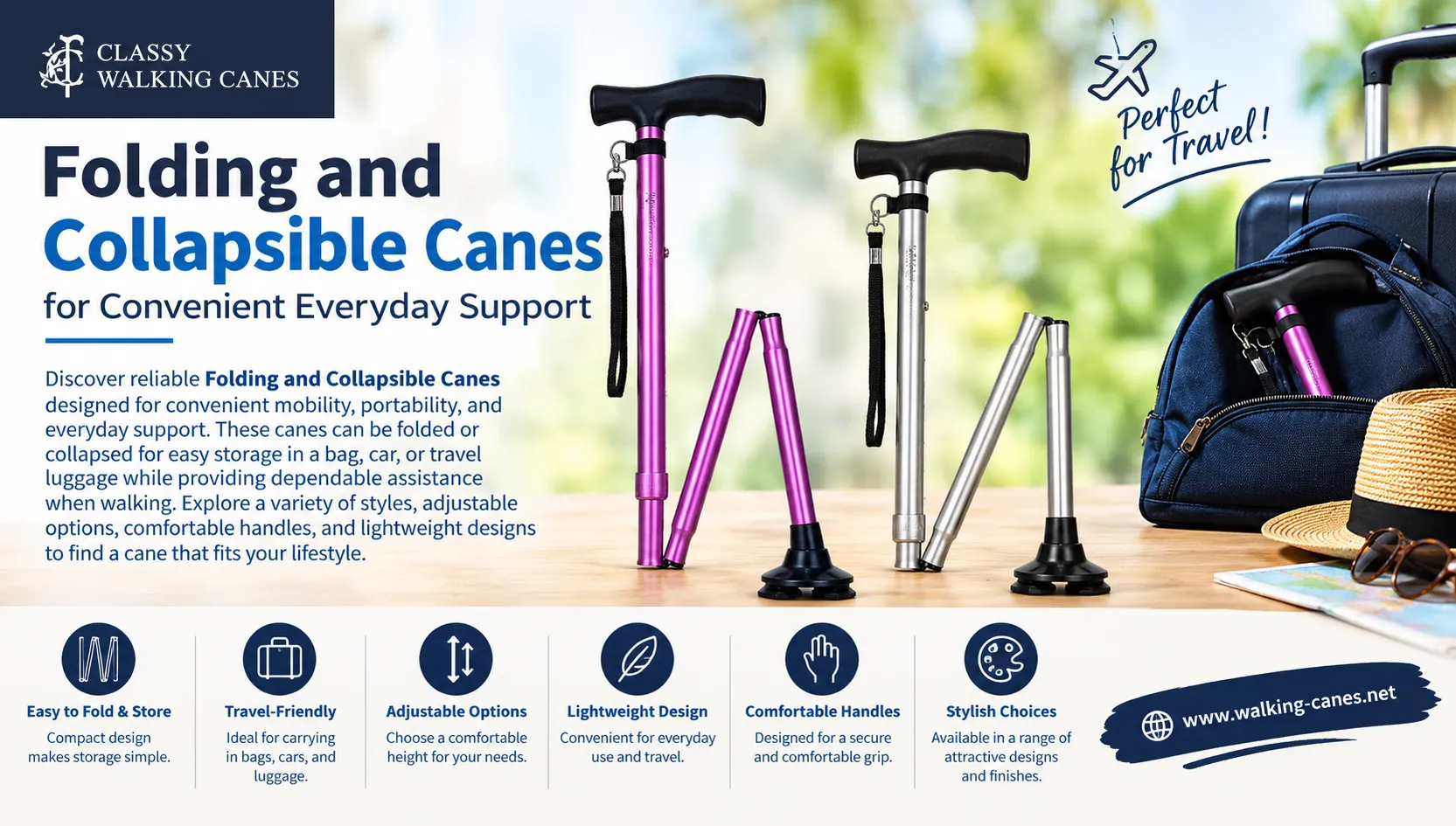
For U.S. travelers moving through airports, hotels, cruise terminals, attractions, and cities, portability can be important. Folding and compact carbon fiber designs can make storage easier.
3. Comfortable for Repeated Use
If you repeatedly lift and reposition your cane, a lower-weight design may feel easier to manage over the course of the day.
4. Modern Construction
Many carbon fiber canes have a sleek appearance that appeals to shoppers who want mobility equipment that looks contemporary rather than strictly clinical.
5. Easy to Pair With Different Handle Styles
Carbon fiber shafts can be combined with different handle designs, including ergonomic and traditional styles. The handle should feel secure and comfortable in your hand.
Is a Lightweight Walking Cane Strong Enough?
One common misconception is that a lightweight cane must be weak. Weight alone does not determine strength.
Carbon fiber is valued for its strength-to-weight characteristics, but the actual performance of a cane depends on its construction and specifications. Always check the manufacturer's stated weight capacity and intended use.
Do not assume that an ultralight cane is appropriate for every user or situation simply because it is made from carbon fiber.
If you need significant weight-bearing assistance or have substantial balance or mobility limitations, discuss the appropriate type of walking aid with a healthcare professional. A standard cane provides less support than crutches or a walker and is intended for particular mobility needs.
How to Choose the Best Lightweight Walking Cane?
When shopping for the Best Lightweight Walking Cane, look beyond the number on the scale.
Check the Cane Height
A properly fitted cane is essential. Mayo Clinic recommends that the cane reach approximately the crease of your wrist when your arm hangs naturally, with a comfortable elbow bend when you hold it.
Consider the Handle
A lightweight shaft will not compensate for an uncomfortable handle. Choose a grip that feels secure and comfortable for your hand.
Check Weight Capacity
Always compare the manufacturer's stated weight capacity with your needs.
Look at the Cane Tip
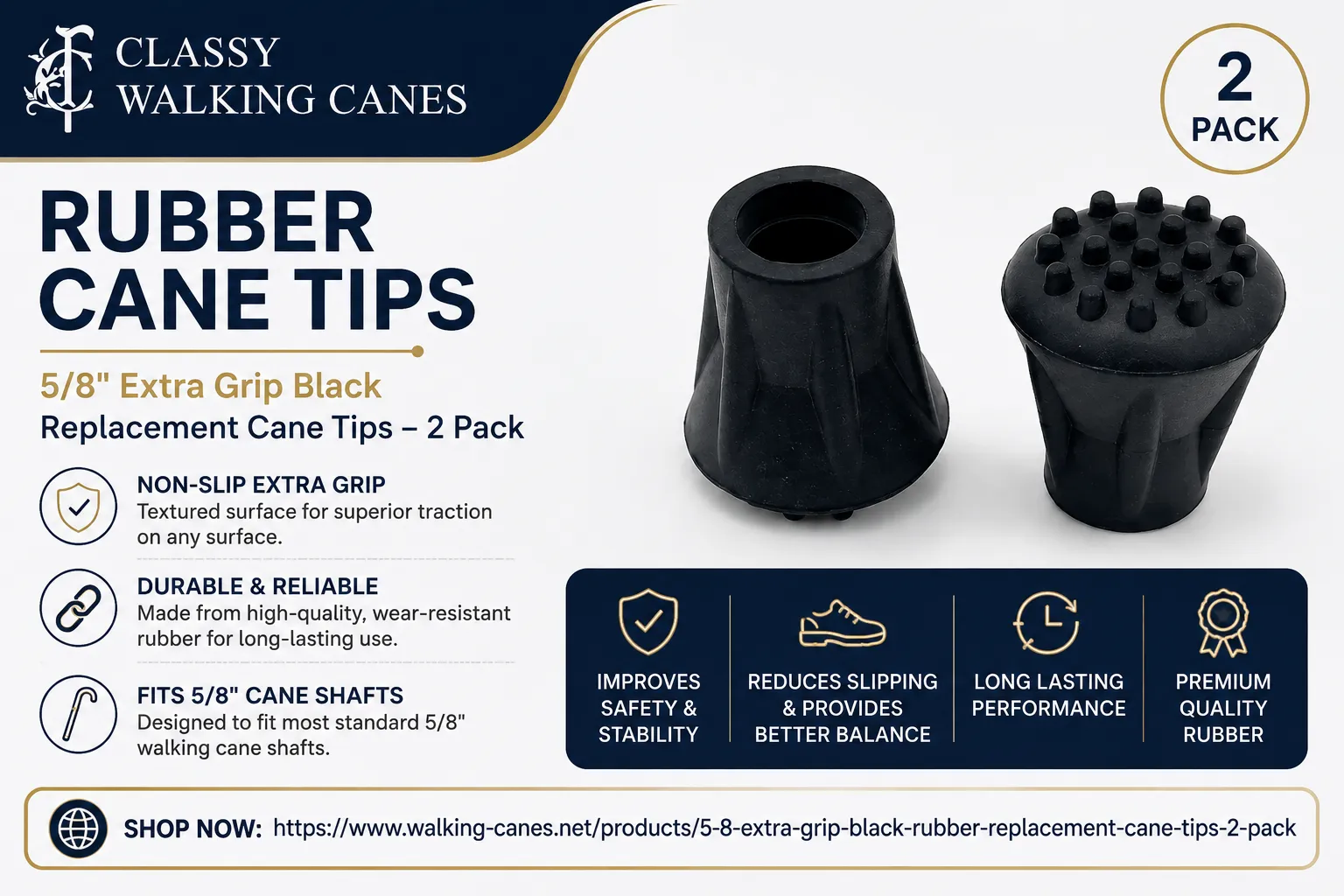
The rubber tip is important because it provides contact with the walking surface. Mayo Clinic recommends checking the tip regularly and replacing it when the tread becomes worn or the rubber becomes stiff.
Think About Your Lifestyle
A rigid cane may be appropriate for everyday use, while a folding model can be more convenient for travel and storage.
Who Can Benefit From a Lightweight Carbon Fiber Walking Stick?
A Lightweight Walking Stick may appeal to people who want less bulk while carrying a mobility aid. Frequent travelers, active adults, commuters, shoppers, and people who use a cane intermittently may particularly appreciate portability.
A Carbon Fiber Walking Stick can also be an attractive choice for someone who prefers a modern material and lightweight feel.
However, the ideal cane depends on individual mobility needs. A lightweight design should not replace the need for correct sizing, a suitable handle, adequate weight capacity, and appropriate technique.
Conclusion
The biggest advantage of Carbon Fiber Walking Canes and Sticks is the combination of lightweight handling and modern construction. A lighter cane can be easier to lift, carry, store, and manage throughout the day, particularly for people who travel or use a cane frequently.
However, the lightest cane is not automatically the right cane. Height, handle comfort, weight capacity, tip traction, construction, and intended use should all be considered before making a purchase.
For U.S. shoppers comparing walking aids, carbon fiber is an option worth considering when portability and low weight are important priorities. Choose a properly fitted cane that matches your individual mobility needs and the way you plan to use it.
Frequently Asked Questions (FAQ)
Are carbon fiber walking canes lighter than aluminum canes?
Many carbon fiber models are designed to be extremely lightweight, although the actual weight depends on the specific product. Some current models weigh below one pound.
How much does a carbon fiber walking cane weigh?
There is no universal weight. Current products can range from very lightweight models around 0.4 pounds to models closer to one pound or more, depending on construction and accessories. Always check the individual product specifications.
Why are carbon fiber walking canes lightweight?
Carbon fiber offers a high strength-to-weight performance, allowing manufacturers to create rigid shaft designs without relying on as much material mass as some traditional constructions.
Is a lightweight cane better for travel?
A lightweight cane can be easier to carry and store during travel. Folding carbon fiber models can offer additional portability, but travelers should select a design appropriate for their height, weight, and intended use.
Is carbon fiber better than aluminum for a walking cane?
The materials have different characteristics. Carbon fiber is often selected for its low weight and premium construction, while aluminum offers many affordable, adjustable options. The right choice depends on the user's priorities and the individual cane's specifications.
How should a carbon fiber walking cane fit?
The cane should be properly sized for the user. Mayo Clinic recommends that the top of the cane align with the wrist crease when the arm hangs naturally and that the elbow remain comfortably bent while holding it.
Can a carbon fiber cane be used outdoors?
Many carbon fiber canes are designed for indoor and outdoor use, but suitability depends on the specific product, tip, terrain, and manufacturer's instructions. Check the product specifications before using a cane on challenging surfaces.

























Sign in to leave a comment.