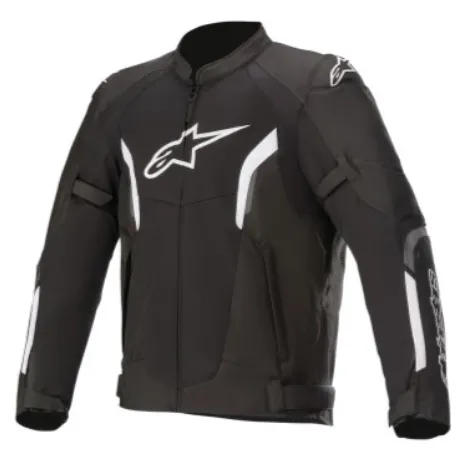

Protective gear for electric scooter riders has evolved significantly in recent years, and one of the clearest examples of this shift is the modern electric scooter jacket. Where riders once had to choose between bulky, restrictive protection or minimal coverage that left them vulnerable, newer designs now offer both safety and comfort without forcing a tradeoff. At Wyrd Ryds, we talk with riders regularly who want to understand what has actually changed in this category, and this article breaks down how lightweight jacket technology is reshaping expectations for everyday rider gear.
Moving Away From Bulky, Uncomfortable Protection
For years, protective riding jackets were often heavy, stiff, and uncomfortable enough that many riders avoided wearing them for anything other than longer trips. This created a real problem, since falls can happen just as easily during a short commute as during an extended ride. The shift toward lightweight materials has changed this dynamic considerably, giving riders a genuine reason to wear protective gear on every single trip rather than reserving it for occasions that felt worth the discomfort.
Modern materials now allow manufacturers to build in padding and abrasion resistance without the excessive bulk that once made jackets feel more like armor than clothing. This shift has made a real difference in how consistently riders actually wear their protective gear day to day.
Why Comfort Directly Improves Safety Outcomes
It might seem like comfort and safety are separate concerns, but they are actually deeply connected. A jacket that feels too heavy, stiff, or hot is far less likely to be worn consistently, which means its protective benefits never actually get used when they matter most. Lightweight electric scooter jacket designs solve this problem by making protection something riders barely notice while wearing it, which in turn means they are more likely to have it on when an unexpected fall actually happens.
This connection between comfort and consistent use has become a central focus for gear manufacturers, since a jacket sitting in a closet protects no one, regardless of how well engineered its padding might be.
What Makes Lightweight Designs Possible
Advances in material science have played a major role in this shift, with newer synthetic fabrics offering strength and abrasion resistance previously only possible with much heavier materials. Strategic padding placement, focused specifically on high impact areas like the shoulders and elbows, allows manufacturers to reduce overall bulk while maintaining meaningful protection where it matters most.
Breathable panel construction has also improved significantly, allowing better airflow during warmer weather without compromising the jacket's structural integrity or protective capabilities. This combination of targeted padding and improved breathability represents a meaningful departure from older, one size fits all approaches to protective gear.
How This Shift Affects Everyday Riding Habits
Riders who previously avoided wearing a jacket for shorter trips now find lightweight designs comfortable enough to wear consistently, regardless of trip length. This behavioral shift matters significantly, since many falls happen during routine, everyday riding rather than during longer, more adventurous trips where riders were already more likely to gear up properly.
Commuters in particular benefit from this change, since daily wear requires a level of comfort that older, heavier jacket designs simply could not provide without becoming a burden during an already busy routine.
Building A Complete Modern Gear Setup
While jackets have seen significant improvements, they work best as part of a broader protective setup. Pairing a lightweight jacket with e scooter gloves extends this same comfort focused protection to the hands, an area riders often instinctively use to brace during a fall. This combination reflects a broader trend across rider gear generally, prioritizing consistent, everyday wearability over occasional use.
Similarly, modern e scooter helmets have followed a comparable evolution, becoming lighter and better ventilated while maintaining strong safety certifications, reinforcing this same philosophy across the entire category of protective gear.
What To Look For When Choosing A Lightweight Jacket
Riders shopping for a jacket should look for certified impact protection at key points like the shoulders and elbows, combined with breathable panel construction and a fit that allows full range of motion. Reflective elements also add practical value for riders who commute during low light conditions, improving visibility without adding meaningful weight or bulk to the overall design.
Final Thoughts
The shift toward lightweight electric scooter jacket designs reflects a broader understanding that comfort and safety are not competing priorities but complementary ones. Riders who wear their gear consistently benefit from protection precisely when they need it most, rather than leaving it behind for shorter or more casual rides. Wyrd Ryds is here to help riders find gear that fits this modern approach to comfort and protection.
Frequently Asked Questions
Are lightweight jackets as protective as older, heavier designs?
Yes, modern materials allow for strong impact protection without the excessive bulk found in older jacket designs.
Does a lighter jacket mean less coverage?
Not necessarily, since strategic padding placement focuses protection on high impact areas while reducing unnecessary bulk elsewhere.
Should I wear a jacket for short commutes as well as long rides?
Yes, falls can happen during any ride, making consistent use important regardless of trip length.
What other gear should be paired with a riding jacket?
Gloves and a helmet work together with a jacket to provide more complete protection across different vulnerable areas of the body.
























Sign in to leave a comment.