

When people talk about the cultural transformation of the UAE, the conversation usually turns to architecture, museums, tourism or the extraordinary speed at which cities such as Dubai and Abu Dhabi have grown. Literature gets much less attention, which is strange because Emirati writing tells essentially the same story from the inside. Long before the UAE had a recognisable publishing industry, literary culture existed through poetry and oral traditions; later came short stories, novels and a much larger publishing ecosystem. What makes the development particularly interesting is that all of this happened while the country itself was changing at extraordinary speed.
The UAE is a young federation, established in 1971, but its literary traditions are obviously much older than the state. Poetry was particularly important, including Nabati poetry, a vernacular tradition that has existed across the Arabian Peninsula for centuries. The UAE government's cultural platform describes both Nabati poetry and Al Taghrouda as part of the country's traditional literary heritage, which is useful context because looking for the beginning of Emirati literature in a modern bookstore misses most of the story.
That difference between the age of the country and the age of its storytelling culture is what I find most interesting. Living in the UAE, it is very easy to become obsessed with what is new. New towers appear, neighbourhoods expand, restaurants open and entire areas can feel different after only a few years. Literature forces you to look in the opposite direction and ask what people were saying about identity, family, place and change while this transformation was happening.
Before the Novel, There Was Poetry
Poetry in the Gulf was never simply a literary genre in the European sense of something primarily encountered on a printed page. It was a way of preserving stories, values, memory and social commentary, and Nabati poetry in particular was closely connected with everyday life.
That tradition did not disappear when the UAE modernised. It adapted. Poetry moved into books, television, festivals and eventually digital media while retaining a cultural importance that can be difficult for outsiders to understand. Even today, poetry occupies an unusually visible position in Emirati cultural life. At the 2025 Abu Dhabi International Book Fair, for example, the programme included both Nabati and classical Arabic poetry alongside contemporary literary discussions and international cultural exchanges.
For foreigners, this is one reason understanding UAE literature purely through English-language novels produces a distorted picture. I had the same problem when I first became interested in the country's culture: I naturally looked for books because that was the format familiar to me. Gradually, I realised that written prose represents only one layer of a much older literary culture.
The Federation Created a New Literary Moment
The formation of the UAE in 1971 changed more than government and infrastructure. Education expanded, cultural institutions developed and opportunities for publication increased. Writers were suddenly documenting a society experiencing enormous economic and social change within a remarkably compressed period.
Academic studies of contemporary Emirati literature trace the development of poetry, drama, short stories and novels across the periods before and after federation, rather than treating modern UAE literature as something that appeared fully formed in recent decades. This distinction matters because early Emirati writers were dealing with a country where the relationship between older community structures and rapid modernisation was becoming impossible to ignore.
The novel developed comparatively late. Oxford's overview of the Emirati novel describes its progression through the first decades of the federation and notes a bolder, more experimental phase during the 2000s, followed by another period of transition after 2010. Questions surrounding women and their position in society became particularly important within this development.
This is where Emirati literature becomes fascinating even for someone who normally does not read literary history. The country's transformation provides writers with an unusual amount of material: oil wealth, urbanisation, education, immigration, changing gender roles, globalisation and the tension between individual ambition and family expectations were not abstract themes. They were happening around the writers themselves.
Women Changed the Emirati Novel
One of the mistakes outsiders can make is imagining Gulf literature as overwhelmingly male. Emirati women have played a significant role in the development of fiction, particularly in writing about identity, relationships and the tension between personal choices and social expectations.
Sara Al Jarwan's Shajan Bint Al Qadar Al Hazeen, published in 1992, is considered the first novel published by an Emirati woman. Its central character has modern aspirations while living within a community that expects traditional values to be maintained, making the conflict between individual desire and social expectation part of the story itself. Later Emirati fiction continued exploring changing family structures, women's lives and the psychological consequences of rapid social transformation.
That interests me because these themes still feel relevant when you live here. Dubai in particular can appear extraordinarily modern from the outside, yet modern architecture does not automatically erase cultural expectations, family structures or different attitudes towards relationships. Several realities can exist simultaneously.
This is also why I think fiction can sometimes explain Dubai better than a conventional travel guide. A history book can tell you when something was built; a novel can show what it feels like when people's expectations change faster than the society around them. I recently put together some of the books about Dubai that helped me understand the city beyond its skyline, and what struck me was how differently history, fiction and books about contemporary life explain the same place.
Dubai Created a Different Kind of Literary Subject
Dubai presents writers with another complication: who exactly gets to tell the story of a city where such a large part of the population comes from somewhere else?
There is Emirati literature, but there is also literature written about the UAE by Arab expatriates, South Asians, Western residents and people who spent only part of their lives here. Those categories overlap without being interchangeable. A novel about expatriate relationships in Dubai is not automatically Emirati literature, just as a travel memoir written by a foreign resident cannot speak on behalf of Emirati culture.
Yet those outside voices are still part of the literary picture of the modern UAE because migration has become central to the country's urban experience. Dubai in fiction can be a place of reinvention, money, loneliness, opportunity, status or disappointment depending on who is telling the story. The skyline stays the same, but the city underneath it changes dramatically according to the narrator.
I actually find this more interesting than the polished version of Dubai found in many travel books. Literature leaves room for contradiction. A character can be financially successful and deeply unhappy, culturally liberated in one part of life and constrained in another, or excited about living in Dubai while never feeling that it is completely home. Those contradictions are much closer to the city I recognise.
From a Small Literary Scene to a Publishing Hub
The development of literature in the UAE is no longer only about writers. The infrastructure around books has grown enormously as well, through publishers, translation projects, libraries, prizes, literary festivals and major book fairs.
Abu Dhabi has deliberately developed itself as a centre for the Arab book trade, with initiatives supporting publishers, distributors and aspiring authors. Sharjah has also become deeply associated with books and publishing, while government cultural policy treats literature and publishing as part of the country's wider creative industries rather than as a marginal cultural activity. The Ministry of Culture now explicitly lists literature and publishing among the sectors it works to develop.
The reading numbers are also more interesting than I expected. According to the UAE National Reading Index, the average number of books read annually increased from six in 2021 to seven in 2023. Online purchasing had become the largest reported source for obtaining reading material, while book fairs and physical bookstores remained important. The same survey found strong interest in Emirati literature among literary enthusiasts and highlighted translation, criticism and publishing as important factors in expanding its audience.
Those statistics do not mean that every resident suddenly spends evenings reading Emirati novels. The UAE is still competing with exactly the same problem facing publishing elsewhere: phones, streaming, social media and fragmented attention. What is notable is the amount of institutional infrastructure being built around reading in a country whose modern publishing history is relatively short.
Emirati Literature Is Still Developing
I do not think the most interesting question is whether the UAE already has a literary tradition comparable in international visibility to Egypt, Lebanon or Iraq. Those countries have very different histories of publishing and Arabic literary production, so the comparison often tells us very little.
What matters is that Emirati literature is still moving.
The country's writers are now working in a society very different from the one documented by authors a generation ago. The subjects available to them have expanded accordingly: global cities, migration, mixed identities, technology, changing relationships, environmental questions and the psychological effects of extraordinary economic development can now exist alongside older themes of family, heritage and belonging.
There are still obvious barriers to reaching readers outside the Arabic-speaking world. Translation is one of them. The National Reading Index found that 90 per cent of surveyed writers and authors believed translation and literary criticism could stimulate readership of Emirati literature. That makes sense to me because discovering the literature of a country is difficult when many of its important voices remain inaccessible in the language you read.
But perhaps that is also why this is an interesting moment to pay attention. The literary story of the UAE does not feel finished or neatly packaged. It is being written while the country itself continues changing, and the distance between an oral poetic culture, the early Emirati novel and today's international publishing environment is remarkably short.
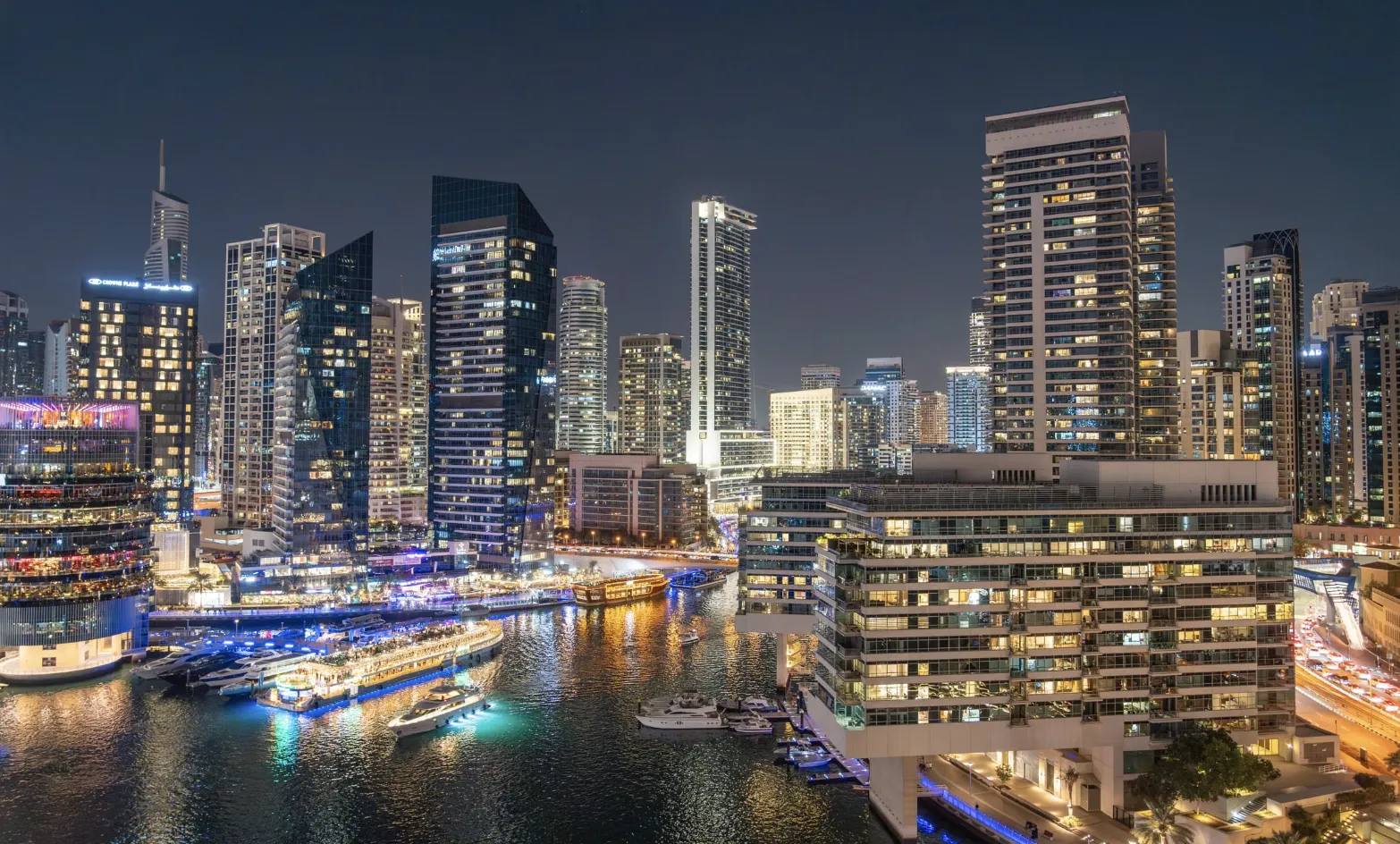
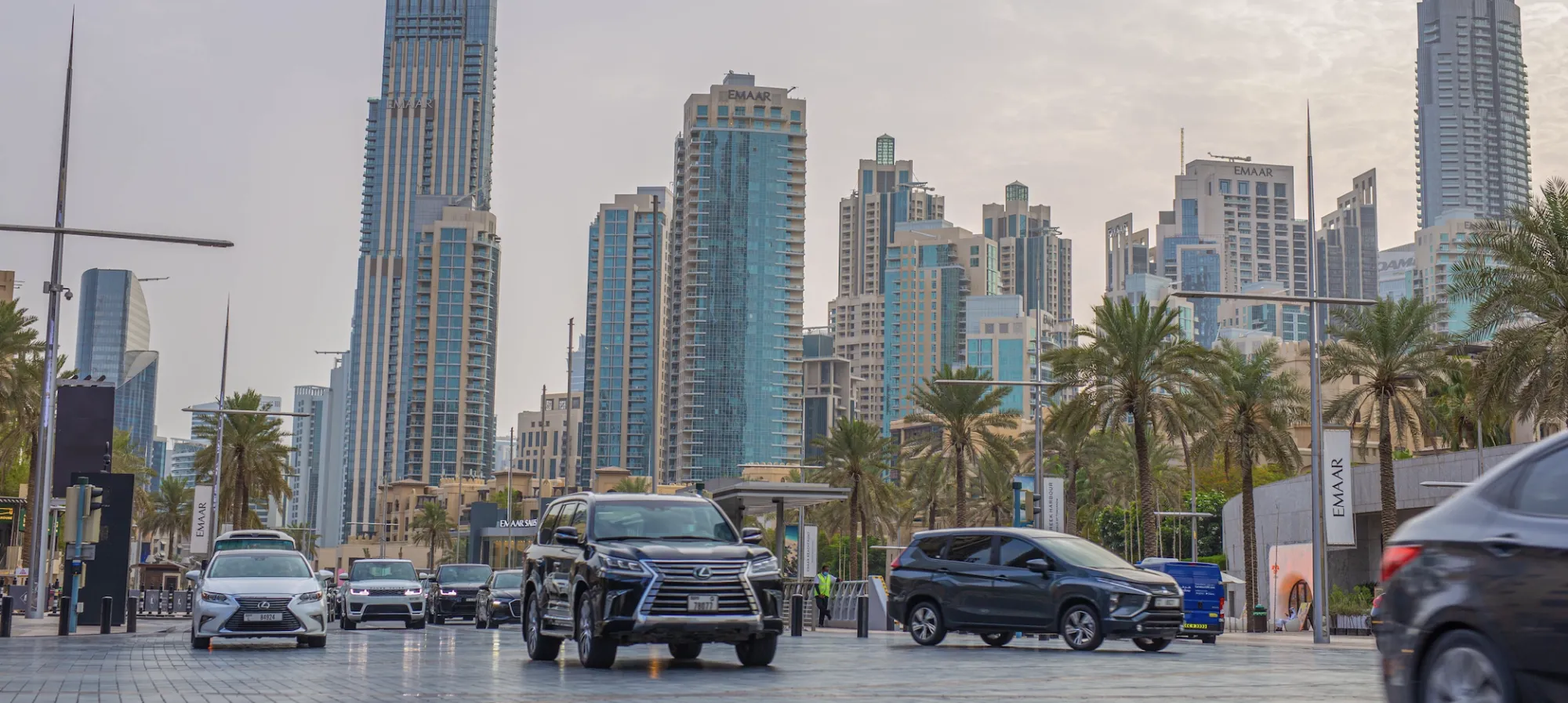
For me, that is ultimately what makes UAE literature worth exploring. The skyscrapers tell you how dramatically the country changed physically, while its literature records something harder to photograph: how people understood that change while they were living through it.


















Sign in to leave a comment.