

A good pillow can make a real difference to how well a child sleeps, but even the best-quality memory foam won't last forever. Knowing what to expect from your kids' memory foam pillows, how to spot the early signs of wear, and how to properly maintain one can help you get the most out of them before it's time for a replacement. This guide covers pillow lifespan, care tips, and the signs that indicate a pillow has reached the end of its useful life.
How Long Should a Kids' Memory Foam Pillow Last?
Memory foam pillows are generally more durable than traditional fiber-filled pillows, but their lifespan still depends on quality, usage, and care.
Typical Lifespan Expectations
A well-made memory foam pillow typically lasts between two and three years with regular use, though higher-density foam can sometimes last longer. This is noticeably longer than standard polyester pillows, which often flatten and lose shape within six to twelve months.
Factors That Affect Longevity
How long a pillow actually lasts depends on several factors, including the density of the foam, how often it's washed, exposure to moisture, and how much weight and pressure it's exposed to nightly. A child who sleeps with damp hair, drinks in bed, or uses the pillow for daytime play as well as sleep may find it wears out faster than expected.
Signs of Wear to Watch For
It's not always obvious when a pillow has started to decline, especially since the change happens gradually over time.
Loss of Shape and Support
One of the clearest signs is a pillow that no longer springs back after pressure is applied or one that feels noticeably flatter than when it was new. Memory foam should slowly return to its original shape after being compressed; if it stays indented or feels permanently flattened in one spot, it's losing its supportive structure.
Lumps, Crumbling, or Odd Texture
Over time, foam can begin to break down internally, leading to lumps, uneven texture, or a slightly crumbly feel in certain areas. This is a sign the foam's cell structure has started to degrade and is no longer providing consistent support.
Persistent Odor or Discoloration
A lingering smell that doesn't go away after washing the pillow cover, or noticeable yellowing of the foam itself, can indicate a build-up of moisture, sweat, or bacteria within the material. At this stage, it's usually more hygienic to replace the pillow rather than continue using it.
How to Properly Maintain a Memory Foam Pillow
Good care routines can meaningfully extend the life of a memory foam pillow and keep it hygienic for daily use.
Use a Washable, Breathable Cover
A removable, machine-washable cover protects the foam itself from sweat, oils, and spills and should be washed regularly, roughly every one to two weeks depending on use. This reduces the moisture exposure that speeds up foam breakdown.
Air It Out Regularly
Memory foam benefits from occasional airing out in a well-ventilated space, away from direct sunlight, which helps release trapped moisture and reduce odor buildup over time. Avoid placing it in a tumble dryer or exposing it to high heat, as this can damage the foam's structure.
Avoid Compressing It Unnecessarily
Storing books, toys, or other heavy items on top of the pillow during the day can cause it to compress unevenly and lose its shape faster. Keeping it free from unnecessary weight during the day helps maintain consistent support at night.
When It's Time to Size Up as Your Child Grows
Pillow lifespan isn't only about wear and tear; it's also about whether the pillow still fits your child's needs as they grow.
Outgrowing Loft and Size
As children grow taller and their shoulder width increases, a pillow that once provided the right support may become too low or too small to properly align their neck and spine. If your child regularly pushes the pillow aside, sleeps mostly off the edge of it, or seems to be curling around it rather than resting on it, this is often a sign it's time to move up to a larger size.
Reassessing Firmness Needs Over Time
Sleep preferences can shift as children get older, with some needing firmer support as they grow, while others develop a preference for softer, more contouring foam. Periodically checking in on comfort, rather than assuming the original pillow will suit them indefinitely, helps ensure ongoing support.
Building a Complete, Long-Lasting Sleep Setup
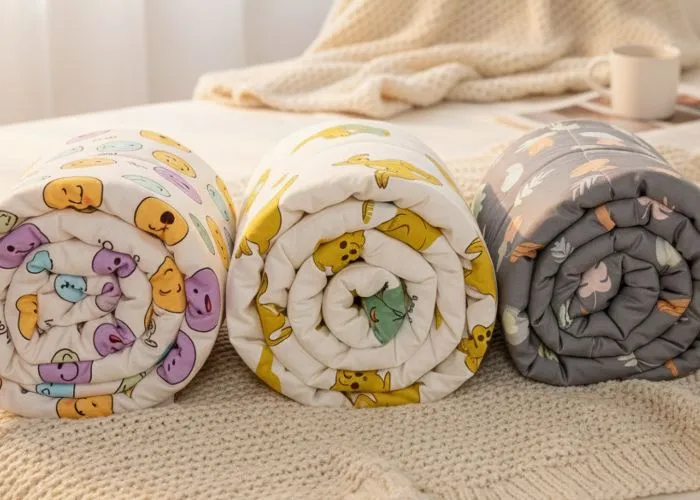
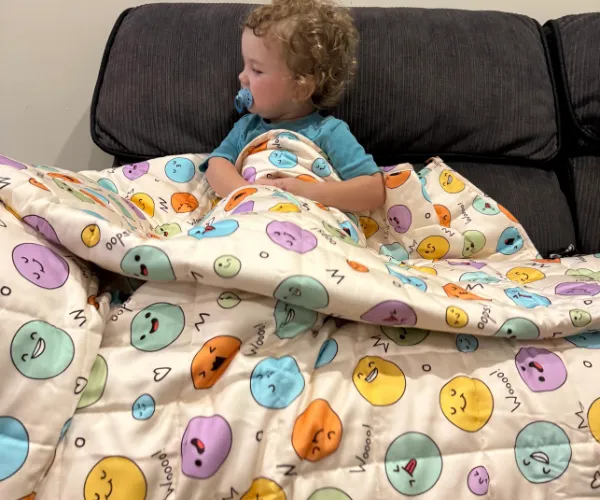
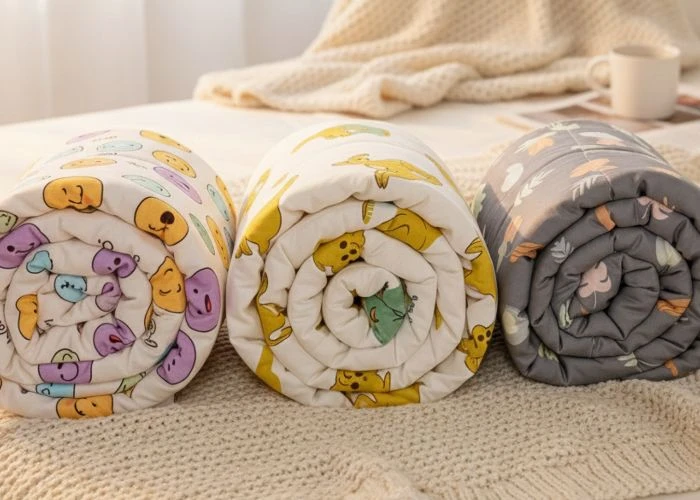
A pillow is just one part of a child's overall sleep environment, and pairing it with other supportive elements can improve both comfort and durability across the whole setup. Many parents also look at options like sensory bedding australia offers to create a more complete, breathable sleep environment that holds up well over time, particularly for children who are sensitive to texture, temperature, or pressure.
Final Thoughts
A quality memory foam pillow can comfortably support a child for a couple of years with the right care, but it's worth checking periodically for signs of wear or fit issues as your child grows. Keeping an eye on shape, texture, and comfort, alongside simple maintenance habits, makes it much easier to know exactly when it's time for a replacement rather than waiting until sleep quality has already been affected.



























Sign in to leave a comment.