How Long Does a Tattoo Touch Up Take to Heal?

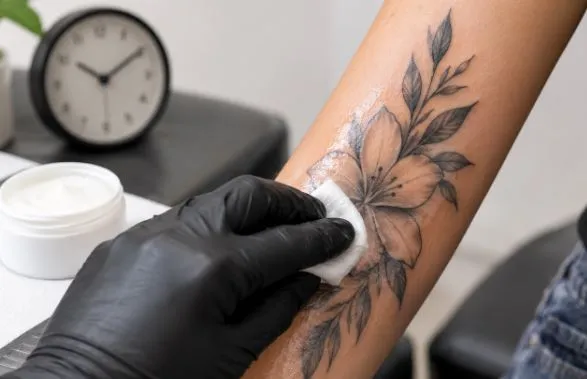
A tattoo can look beautiful when it is first completed, but sometimes certain areas may fade, lose colour, or appear uneven after healing. In these situations, a tattoo touch up can help restore the design and improve its overall appearance. However, just like a new tattoo, a touch-up session requires time and proper aftercare to heal correctly.
One of the most common questions people ask before booking an appointment is, how long does a tattoo touch up take to heal? The answer depends on several factors, including the size of the touch-up, the condition of the skin, the tattoo's location, and how well the aftercare instructions are followed.
In this guide, we will explain the typical healing timeline, what to expect during recovery, and how to care for your skin after a tattoo touch-up session.
How Long Does a Tattoo Touch Up Take to Heal?
In most cases, the surface of the skin takes around 2 to 4 weeks to heal after a tattoo touch up. However, deeper skin recovery can take longer, sometimes several weeks or more, depending on the individual and the amount of work performed.
A small touch-up involving a few faded lines or minor colour adjustments may heal relatively quickly. Larger touch-ups that cover several areas or require more extensive tattooing can take longer to settle.
It is important to remember that healing times vary from person to person. Your skin may look healed on the surface before the deeper layers have fully recovered.
During this period, following your tattoo artist's aftercare instructions is essential for protecting the design and supporting healthy skin recovery.
Understanding the Tattoo Touch-Up Healing Timeline
Knowing what to expect during each stage of recovery can help you care for your tattoo properly and recognise normal healing changes.
1. The First 24–48 Hours: Redness and Tenderness
Immediately after a tattoo touch up, the treated area may appear red, slightly swollen, or tender. These reactions are common because tattooing creates small punctures in the skin.
You may also notice a small amount of clear fluid or ink mixed with plasma during the early healing period. The amount varies depending on the size and intensity of the session.
During the first couple of days, you should:
- Follow your artist's instructions for removing any protective covering.
- Wash your hands before touching the tattoo.
- Clean the area gently using mild, fragrance-free soap and lukewarm water.
- Pat the skin dry with a clean towel rather than rubbing it.
- Apply a suitable aftercare product in a thin layer if recommended.
Avoid unnecessary touching, scratching, or exposing the fresh tattoo to dirty environments.
2. Days 3–7: Peeling and Scabbing
During the next stage, the tattoo may begin to feel dry, tight, or itchy. Light peeling and small scabs can also develop as the skin repairs itself.
These changes are generally part of the normal healing process. The tattoo might temporarily look dull, patchy, or less vibrant while the outer layer of skin sheds.
Although it may be tempting to remove loose skin or scabs, you should allow them to fall away naturally. Picking at healing skin can cause irritation, uneven healing, and potential damage to the tattoo.
Keep the area clean, avoid friction from tight clothing, and resist scratching even if the itching becomes uncomfortable.
If redness or swelling is getting worse instead of improving, or you notice pus, increasing pain, or fever, seek medical advice.
3. Weeks 2–3: The Skin Starts Looking Better
By the second or third week, many small tattoo touch-ups look considerably better. Peeling and scabbing usually decrease, and the surface of the skin may begin to feel smoother.
However, the tattoo may still look slightly different from how you expected it to look. Some areas might appear lighter or less defined while the skin continues to recover.
Avoid judging the final results too early. The colour and clarity of a tattoo can change as the skin settles, so it is usually best to wait until healing is complete before deciding whether additional work is necessary.
Continue moisturising according to your artist's advice and protect the area from direct sunlight.
4. Weeks 3–4 and Beyond: Skin Recovery Continues
For many people, the surface healing process is largely complete within three to four weeks. More extensive touch-ups may require additional time.
Even when the skin looks normal, deeper tissues can still be recovering. The tattoo may gradually become more settled in appearance over the following weeks.
If you are considering another touch-up, ask your tattoo artist to assess the area after it has fully healed. Returning too soon can place unnecessary stress on the skin and affect the final result.
What Factors Affect Tattoo Touch-Up Healing Time?
Not every tattoo touch up heals at the same speed. Several factors can influence the recovery process.
Size and Complexity of the Touch-Up
A small correction involving a few lines may cause less skin irritation than a session that refreshes large sections of colour or shading.
The more extensive the work, the more time your skin may need to recover. Your artist can provide a more realistic estimate based on the treatment area and the condition of the existing tattoo.
Tattoo Location
The location of your tattoo can also affect healing. Areas exposed to frequent movement, friction, or pressure may experience additional irritation.
For example, tattoos on the hands, feet, fingers, and joints can be more challenging to protect during everyday activities. Clothing, footwear, and repeated bending may also affect comfort during recovery.
Keeping the tattoo clean and minimising unnecessary friction can help support the healing process.
Individual Skin Type and Health
Everyone's skin responds differently to tattooing. Skin sensitivity, existing skin conditions, certain health conditions, and medications can influence healing.
If you have a condition that affects wound healing or you are concerned about how your skin may respond, discuss it with a healthcare professional before your appointment.
Aftercare Routine
Aftercare plays an important role in tattoo recovery. Excessive washing, harsh skincare products, picking at scabs, and using too much ointment may irritate the skin.
Follow your tattoo artist's instructions and avoid experimenting with products that have not been recommended for your healing tattoo.
Sun Exposure and Lifestyle
Direct sunlight can irritate healing skin and contribute to tattoo fading over time. Swimming in pools, hot tubs, or natural bodies of water before the skin has healed can also increase the risk of irritation or infection.
Avoid soaking the tattoo until it is fully healed. Once healing is complete, protect the tattoo from the sun with broad-spectrum SPF 30 or higher sunscreen.
How to Help Your Tattoo Touch Up Heal Properly
Although you cannot force your skin to heal overnight, you can take practical steps to support recovery.
Keep the tattoo clean. Wash it gently using clean hands, lukewarm water, and a mild fragrance-free cleanser.
Moisturise appropriately. Use a thin layer of a suitable, fragrance-free aftercare product when advised. Avoid applying thick layers that leave the skin excessively greasy.
Avoid swimming and soaking. Stay out of swimming pools, hot tubs, and baths until the tattoo has fully healed. Brief showers are generally preferable.
Wear comfortable clothing. Choose loose, clean clothing that does not repeatedly rub against the treated area.
Do not pick or scratch. Allow peeling skin and scabs to shed naturally to reduce irritation and the risk of scarring.
Follow professional advice. Your tattoo artist can give you instructions tailored to the technique used and the location of your touch-up.
If you develop spreading redness, increasing warmth or pain, significant swelling, pus, or fever, seek prompt medical attention. Severe or rapidly worsening symptoms require urgent assessment.
When Can You Get Another Tattoo Touch Up?
It is generally best to wait until the current touch-up has fully healed before considering additional tattooing. For many people, this means waiting at least four weeks, although more extensive work may require longer.
Your tattoo artist should assess the skin before recommending another session. If the area remains tender, flaky, swollen, or irritated, it is not ready for further tattooing.
Waiting allows the skin to recover and gives you a more accurate view of the tattoo's healed appearance. This helps you and your artist decide whether another adjustment is genuinely necessary.
Is a Tattoo Touch Up More Painful Than the Original Tattoo?
The experience varies depending on the individual, the tattoo's location, and the extent of the touch-up. Some people find a small correction manageable, while others experience more discomfort in sensitive areas.
Skin that has not fully recovered from previous tattooing may be particularly vulnerable to irritation. This is another reason to avoid scheduling a touch-up before the skin is ready.
If you are concerned about pain, discuss your expectations with your tattoo artist before the appointment. They can explain what the session involves and how to prepare comfortably.
Signs Your Tattoo Touch Up Is Not Healing Normally
Mild redness, tenderness, itching, and peeling are often expected during early recovery. However, certain symptoms should not be ignored.
Contact a healthcare professional if you notice:
- Redness that spreads or continues to worsen.
- Increasing pain, warmth, or swelling.
- Yellow or green discharge, or an unpleasant smell.
- Red streaks extending away from the tattoo.
- Fever or chills.
- A rash or persistent reaction to an aftercare product.
Do not assume that worsening symptoms are simply part of the healing process. Prompt medical assessment can help identify infection or another complication.
Conclusion
So, how long does a tattoo touch up take to heal? For most people, the surface of the skin heals within 2 to 4 weeks, although larger touch-ups and individual healing differences can extend this timeframe. Deeper recovery may continue after the tattoo looks healed.
The best way to support a successful result is to keep the area clean, follow professional aftercare instructions, avoid picking at the skin, and protect the tattoo from friction and premature sun exposure.
If your tattoo needs refreshing, consult an experienced tattoo artist who can assess the existing design and explain what to expect from the procedure. With realistic expectations, proper aftercare, and enough time for recovery, you can give your tattoo the best opportunity to heal well and maintain its appearance.





Sign in to leave a comment.