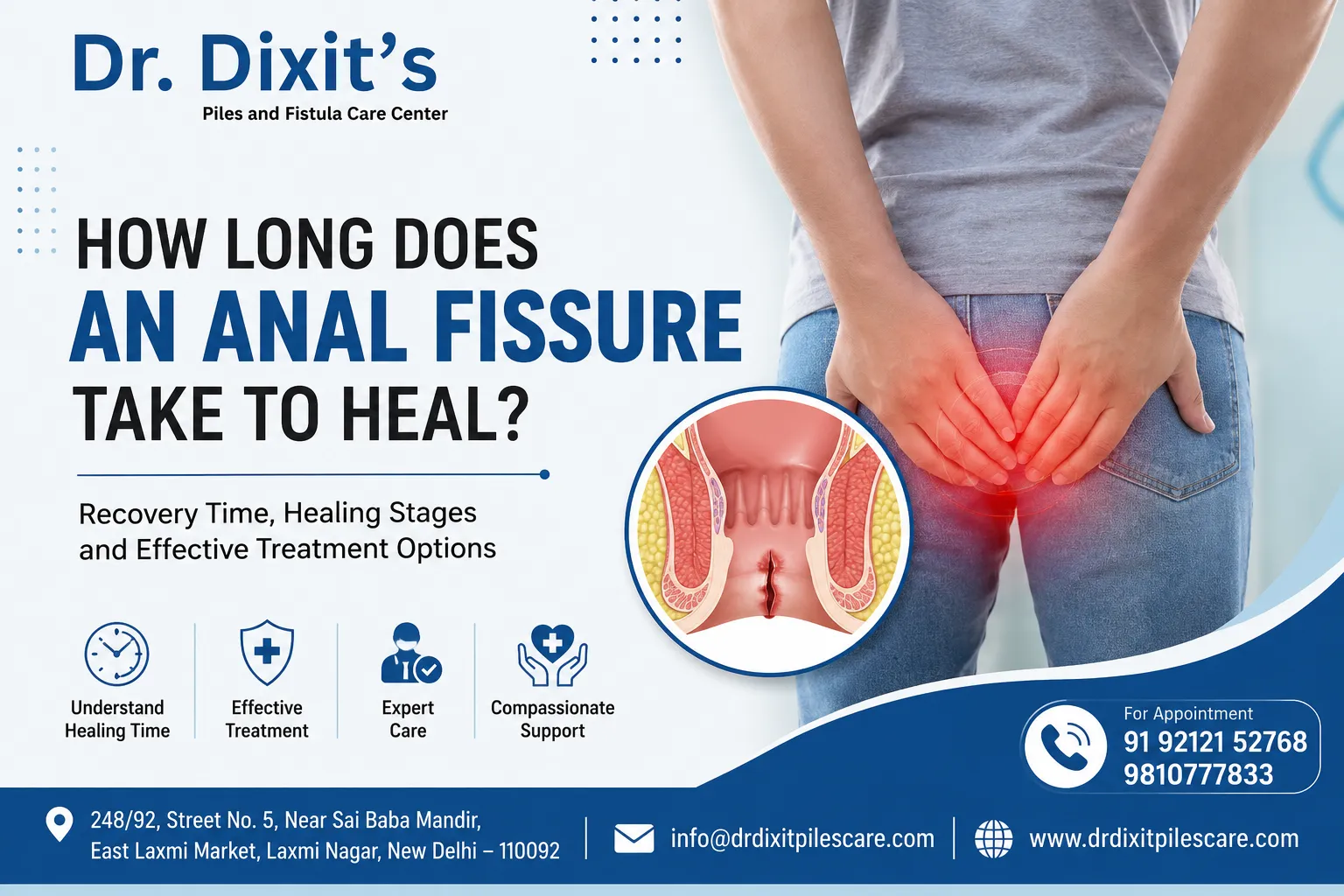

An anal fissure is a small tear in the delicate tissue around the anus, but the discomfort it causes can be much greater than its size suggests. Pain during bowel movements, burning sensations, itching, and bright-red bleeding can make everyday activities uncomfortable. One of the most common questions people have after experiencing these symptoms is, how long does an anal fissure take to heal? The healing period depends on several factors, including whether the fissure is acute or chronic, the underlying cause, bowel habits, diet, and whether appropriate treatment is started promptly. While many acute fissures improve within a few weeks, persistent or recurring fissures may require professional medical treatment.
How Long Does an Anal Fissure Take to Heal?
A new or acute anal fissure may begin improving within a few days after the factors causing irritation are addressed. In many cases, an acute fissure can heal within approximately four to six weeks with appropriate conservative care. However, there is no fixed healing period because every person's condition is different. Constipation, hard stools, frequent straining, diarrhea, inadequate fiber intake, and repeated irritation can all slow recovery. If an anal fissure continues for several weeks, repeatedly returns, or becomes increasingly painful, it may have developed into a chronic fissure and should be evaluated by a healthcare professional.
What Causes an Anal Fissure?
An anal fissure commonly develops when the anal lining is stretched or injured. Passing a hard or unusually large stool is one of the most common causes, especially in people who experience constipation. Repeated diarrhea can also irritate the area and contribute to fissure formation. Other possible causes include childbirth, inflammatory bowel conditions, and certain medical problems affecting the anal or intestinal region. Understanding the underlying cause is important because simply treating the pain may not prevent the fissure from reopening.
Acute and Chronic Anal Fissures
The difference between an acute and chronic anal fissure can have a significant effect on healing time. An acute fissure is generally a recent tear that has not caused long-term changes to the surrounding tissue. When constipation and other triggers are controlled, acute fissures often respond well to conservative measures and may heal within a few weeks. A chronic anal fissure, on the other hand, has persisted for a longer period or repeatedly reopened. Chronic fissures may be accompanied by a small skin tag or thickened tissue and can be more difficult to heal because persistent anal sphincter spasm may interfere with local blood flow.
Factors That Affect Anal Fissure Healing Time
Several factors can determine how quickly an anal fissure heals. Stool consistency is particularly important because hard stools can repeatedly stretch and reopen the injured tissue. At the same time, frequent loose stools can cause irritation and prevent the area from recovering. Maintaining soft, formed stools can therefore support the healing process. Dietary fiber is another important consideration because it can help regulate bowel movements and reduce constipation. Fruits, vegetables, whole grains, oats, beans, lentils, and other fiber-rich foods can be included as part of a balanced diet.
Adequate fluid intake also supports healthy bowel function. When a person does not consume enough fluids, stools may become harder, particularly when dietary fiber intake is increased without sufficient hydration. Avoiding excessive straining is equally important. Forceful pushing during bowel movements can place additional pressure on the affected tissue and may cause a partially healed fissure to reopen. Regular physical activity and a consistent bathroom routine can also support healthier bowel habits.
The Role of Anal Sphincter Spasm
Anal sphincter spasm can play an important role in the persistence of an anal fissure. When a fissure develops, pain can cause the internal anal sphincter to tighten. This increased muscle tension may contribute to reduced blood flow in the affected area, potentially making healing more difficult. It can also create a cycle in which pain leads to muscle tightening, muscle tightening contributes to delayed healing, and the fissure remains vulnerable to further injury. For people with persistent symptoms, medical evaluation can determine whether sphincter spasm or another underlying issue is contributing to delayed recovery.
How to Support Anal Fissure Healing
Several simple measures may help create better conditions for an anal fissure to heal. Keeping bowel movements soft is one of the most important steps, which may involve increasing dietary fiber, drinking adequate fluids, and following medical advice regarding stool-softening treatments when necessary. Avoiding prolonged sitting on the toilet and excessive straining can also reduce pressure on the affected area.
Warm sitz baths may provide temporary relief from pain and discomfort. Sitting in comfortably warm water for around 10 to 20 minutes can help relax the anal muscles and may be particularly soothing after a bowel movement. Gentle hygiene is also recommended because excessive wiping or the use of irritating soaps and products can aggravate sensitive tissue. If a healthcare professional prescribes medication, following the recommended treatment plan consistently can improve the likelihood of recovery.
When Should You Consult a Doctor?
Although many anal fissures improve with conservative measures, persistent symptoms should not be ignored. You should consider consulting a healthcare professional if anal pain continues, bleeding persists, symptoms repeatedly return, or the condition does not appear to be improving. Medical evaluation is especially important if there is significant bleeding, swelling, pus or discharge, unexplained changes in bowel habits, or severe and persistent pain.
Not every instance of anal discomfort is caused by an anal fissure. Hemorrhoids, anal fistulas, infections, inflammatory bowel conditions, and other disorders can produce similar symptoms. Getting an accurate diagnosis can therefore prevent inappropriate self-treatment and help ensure that the underlying condition receives appropriate care.
Can a Chronic Anal Fissure Heal on Its Own?
Some fissures may improve without advanced treatment, particularly when they are recent and the underlying cause is corrected. However, chronic fissures can be more resistant to conservative care. Continued constipation, repeated trauma, and persistent sphincter spasm may prevent the wound from closing properly. In such cases, a healthcare professional may recommend prescription treatment or other procedures depending on the individual's symptoms and medical history.
People searching for reliable information about anal fissure treatment and recovery can also explore the educational resources available from Dr. Dixit's Piles and Fistula Care Centre, which provides information about anal fissures and related anorectal conditions.
How Can You Tell If an Anal Fissure Is Healing?
Pain is often one of the earliest symptoms to improve when an anal fissure starts healing. A person may notice that bowel movements become less painful, burning after bowel movements decreases, and bleeding becomes less frequent or disappears. However, symptom improvement does not always mean that the fissure has completely healed. A hard bowel movement can reopen tissue that has only partially recovered, causing symptoms to return.
For this reason, maintaining healthy bowel habits even after symptoms improve can be important. Continuing to manage constipation, avoiding excessive straining, maintaining adequate fiber and fluid intake, and following medical recommendations can help reduce the risk of recurrence.
Conclusion
So, how long does an anal fissure take to heal? For many people with an acute fissure, recovery can take several weeks, particularly when constipation, hard stools, straining, and other triggers are controlled. Chronic fissures may take considerably longer and sometimes require medical treatment. Paying attention to bowel habits, maintaining adequate fiber and fluid intake, avoiding excessive straining, and seeking professional advice when symptoms persist can all support a healthier recovery.
If anal pain, bleeding, or discomfort continues to interfere with your daily routine, it is better to seek an accurate diagnosis rather than continue self-treatment indefinitely. A qualified healthcare professional can assess your symptoms, identify the underlying cause, and recommend an appropriate treatment approach for your individual condition.
Frequently Asked Questions About Anal Fissure Healing
Can an anal fissure heal within one week?
Some people may notice significant improvement in pain and irritation within a week, especially when the underlying cause is quickly addressed. However, complete healing often takes longer, and there is no guarantee that a fissure will completely heal within seven days.
How long does an anal fissure take to heal naturally?
An acute anal fissure may heal within approximately four to six weeks when bowel movements remain soft and the area is protected from repeated irritation. Chronic or recurring fissures may require longer treatment and professional medical assessment.
Why is my anal fissure not healing?
A fissure may fail to heal because of continued constipation, hard stools, diarrhea, repeated straining, inadequate bowel management, or persistent anal sphincter spasm. If symptoms continue despite appropriate self-care, a medical examination can help identify the reason for delayed healing.
Can diet help an anal fissure heal?
A balanced diet containing sufficient fiber can help maintain softer and more regular bowel movements, which may reduce repeated trauma to the fissure. Adequate fluid intake is also important. However, diet alone may not resolve every chronic fissure.
Is bleeding from an anal fissure normal?
A small amount of bright-red blood during or after a bowel movement can occur with an anal fissure. However, persistent, heavy, dark, or unexplained bleeding should not automatically be attributed to a fissure and should be assessed by a healthcare professional.
When should I seek treatment for an anal fissure?
If symptoms are severe, persistent, recurrent, or not improving with basic measures, professional evaluation is recommended. Early assessment can help determine whether the problem is an acute fissure or another anorectal condition requiring different treatment.
























Sign in to leave a comment.