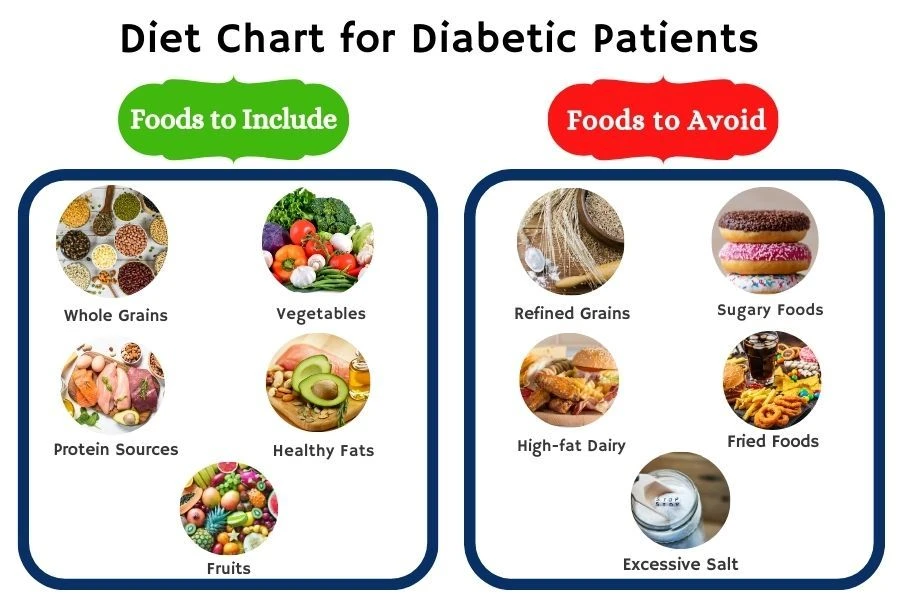

When people think about blood sugar management, the first thing that usually comes to mind is what they eat. Carbohydrates are counted, sugar is reduced, and food labels are scrutinized. While food choices certainly matter, there is another equally important factor that often goes unnoticed: when you eat.
Meal timing plays a powerful role in how the body processes glucose, releases insulin, and maintains steady energy levels throughout the day. For individuals managing diabetes, prediabetes, or age-related metabolic changes, understanding meal timing can be just as important as following a well-balanced diet plan to control blood sugar.
Why Blood Sugar Is Not Just About Food Choices
Blood sugar levels rise and fall based on how efficiently the body uses glucose for energy. This process is influenced by insulin sensitivity, hormone release, and the body’s internal clock - also known as the circadian rhythm.
Eating the right foods at irregular times can still lead to blood sugar spikes. Conversely, consistent meal timing can help stabilize glucose levels even without drastic dietary changes. This is why many healthcare professionals now recommend structured eating schedules alongside a diet plan to control blood sugar.
Meal timing helps:
Improve insulin efficiency
Reduce sudden glucose spikes
Maintain steady energy levels
Support long-term metabolic health
How the Body Responds to Meals at Different Times of the Day
The body does not process food the same way in the morning as it does at night. Insulin sensitivity is generally highest earlier in the day and decreases as the day progresses.
Morning Meals and Blood Sugar Control
Eating a balanced breakfast helps “switch on” the metabolism and improves glucose handling throughout the day. Skipping breakfast can lead to higher blood sugar levels after later meals, even if those meals are healthy.
A well-timed morning meal supports:
Better insulin response
Reduced cravings later in the day
Improved blood sugar stability
Late-Night Eating and Its Impact
Eating heavy meals late at night can disrupt blood sugar regulation. At night, insulin sensitivity is lower, which means glucose stays in the bloodstream longer. This is particularly relevant for older adults, where nighttime glucose spikes can increase long-term health risks.
Meal Frequency: Does Eating More Often Help?
There is no universal rule for how many meals a person should eat per day. However, long gaps between meals can cause blood sugar to drop sharply, followed by spikes after eating.
For many people, especially seniors, smaller and evenly spaced meals work better than one or two large meals. This approach supports smoother glucose control and reduces stress on the pancreas.
A structured diet plan to control blood sugar often includes:
Regular meal intervals
Balanced portions
Planned snacks when needed
Consistency matters more than frequency. Irregular eating patterns can confuse the body’s insulin response, even if the food choices are appropriate.
Why Meal Timing Matters More With Age
As people grow older, metabolic processes naturally slow down. Muscle mass decreases, insulin sensitivity declines, and glucose regulation becomes less efficient. This makes meal timing especially important for older adults.
For seniors, irregular eating patterns may lead to:
Increased blood sugar fluctuations
Fatigue and dizziness
Higher risk of complications related to diabetes
This is one reason why preventive care strategies are closely tied to structured nutrition planning. In India, rising awareness around health insurance senior citizens India has brought greater focus on lifestyle-based prevention, including nutrition timing and metabolic health.
Meal Timing, Prevention, and Long-Term Healthcare Costs
Blood sugar instability is not just a short-term concern. Over time, frequent glucose spikes can contribute to complications affecting the heart, kidneys, eyes, and nerves. These conditions increase medical needs and healthcare expenses.
From a preventive healthcare perspective, meal timing is a low-cost, high-impact strategy. A sustainable diet plan to control blood sugar reduces the likelihood of long-term complications, supporting healthier aging and financial preparedness.
This is particularly relevant in discussions around health insurance senior citizens India, where managing chronic conditions proactively can improve quality of life and reduce dependency on intensive medical interventions.
Creating a Blood Sugar-Friendly Eating Schedule
An effective meal timing strategy does not require strict rules or extreme restrictions. Instead, it focuses on rhythm and awareness.
General principles include:
Eating meals at consistent times each day
Avoiding long fasting periods unless medically advised
Prioritizing earlier dinners
Allowing enough time between the last meal and sleep
When combined with balanced nutrition, these habits form the foundation of a practical diet plan to control blood sugar that is easier to follow over the long term.
Why Timing Complements, Not Replaces, Nutrition Quality
It is important to note that meal timing does not replace healthy food choices. Eating sugary or highly processed foods at “the right time” will still negatively affect blood sugar.
However, even a nutritious diet can fall short if meals are consumed at erratic hours. The best results come from combining quality nutrition with consistent timing - especially for individuals managing diabetes or age-related metabolic concerns.
Conclusion
So, does meal timing really impact blood sugar control? The answer is a clear yes. While food quality remains essential, when you eat significantly influences how your body manages glucose throughout the day.
By adopting consistent meal timing alongside a thoughtful diet plan to control blood sugar, individuals can support better metabolic balance, reduce health risks, and improve overall well-being. This approach becomes even more valuable as people age, aligning closely with preventive health goals emphasized in discussions around health insurance senior citizens India.
In the end, blood sugar control is not about perfection - it is about alignment. When eating patterns align with the body’s natural rhythms, better health outcomes naturally follow.




























Sign in to leave a comment.