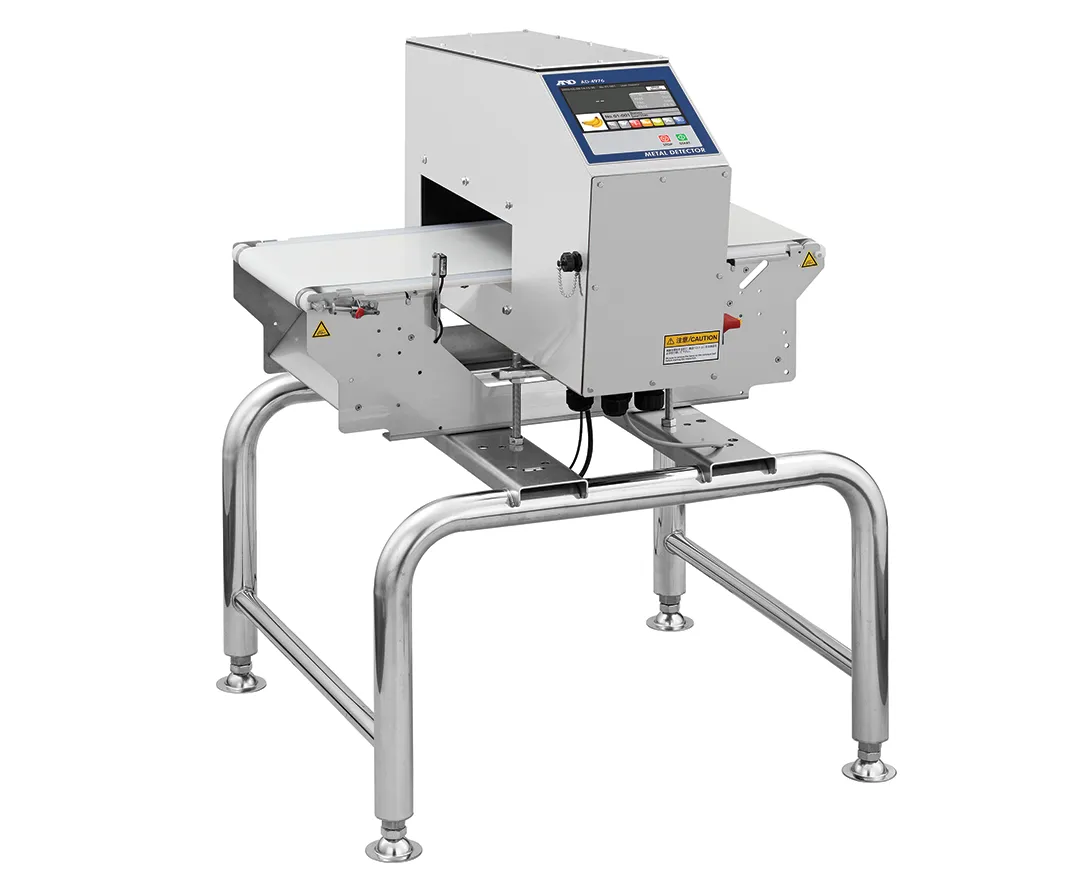

Manufacturers in the food, pharmaceutical, plastics, textile, and packaging sectors depend on industrial metal detectors to maintain product quality, comply with industry standards, and protect their brand reputation. While investing in a high-quality metal detection system is essential, regular metal detector service is equally important. Without scheduled servicing and calibration, even the most advanced inspection equipment can experience reduced sensitivity, unexpected failures, or compliance issues.
A professional metal detector service helps businesses identify potential problems before they become costly production stoppages. Preventative maintenance ensures equipment operates at peak performance, reducing the risk of false rejects, missed contaminants, and expensive downtime.
Why Metal Detector Reliability Matters
Industrial metal detectors play a critical role in quality assurance by identifying and rejecting products contaminated with ferrous, non-ferrous, or stainless-steel particles.
These systems are commonly used in:
- Food processing plants
- Meat and poultry production
- Dairy manufacturing
- Bakery production
- Pharmaceutical manufacturing
- Plastic recycling
- Textile production
- Packaging facilities
A malfunctioning metal detector can lead to:
- Product recalls
- Customer complaints
- Regulatory non-compliance
- Damaged equipment
- Production delays
- Increased operational costs
Routine servicing significantly reduces these risks by ensuring the detector performs exactly as intended.
The Hidden Cost of Unexpected Downtime
Many businesses only arrange servicing when equipment fails. Unfortunately, reactive maintenance often results in:
- Emergency repair costs
- Lost production hours
- Missed delivery deadlines
- Overtime labour expenses
- Wasted raw materials
- Lost customer confidence
For food manufacturers operating around the clock, even one hour of unexpected downtime can cost thousands of dollars in lost production.
Preventative servicing helps identify worn components, calibration drift, electrical faults, and software issues before they affect production.
How Regular Metal Detector Service Prevents Downtime
1. Early Detection of Wear and Tear
Industrial environments expose inspection systems to:
- Dust
- Moisture
- Vibration
- Temperature fluctuations
- Cleaning chemicals
- Continuous operation
Over time these conditions can affect:
- Conveyor components
- Search heads
- Electrical connections
- Sensors
- Reject systems
- Control panels
Routine inspections allow technicians to replace worn parts before they fail.
2. Maintaining Detection Sensitivity
Sensitivity is one of the most important performance indicators of any industrial metal detector.
Over time:
- Electronic components age.
- Product characteristics change.
- Environmental conditions vary.
- Calibration can drift.
Professional servicing ensures the detector continues identifying contaminants according to manufacturer specifications.
Maintaining optimal sensitivity reduces the chance of contaminated products reaching customers.
3. Preventing False Rejects
False rejects are expensive.
When a metal detector incorrectly rejects products, manufacturers experience:
- Product waste
- Reduced productivity
- Extra labour
- Packaging losses
- Higher operating costs
Routine servicing helps technicians optimise:
- Product effect settings
- Detection thresholds
- Conveyor timing
- Reject mechanisms
The result is improved accuracy with fewer unnecessary product rejections.
4. Ensuring Reliable Reject Systems
Finding metal contamination is only part of the process.
The reject system must also operate correctly.
Technicians inspect:
- Air-operated reject arms
- Pushers
- Diverters
- Flaps
- Bin full sensors
- Confirmation sensors
If reject mechanisms fail, contaminated products may remain in the production line.
Routine servicing ensures every rejected item is successfully removed.
5. Reducing Emergency Repairs
Preventative maintenance identifies:
- Loose wiring
- Failing power supplies
- Software issues
- Damaged cables
- Motor wear
- Conveyor problems
Replacing inexpensive parts during scheduled maintenance is far more cost-effective than emergency repairs during production.
Supporting Food Safety Compliance
Food manufacturers must comply with strict food safety standards.
Routine servicing supports compliance with:
- HACCP (Hazard Analysis and Critical Control Points)
- BRCGS Food Safety Standards
- SQF (Safe Quality Food)
- ISO 22000
- Customer audit requirements
Servicing provides documented evidence that inspection equipment has been maintained and verified.
These maintenance records are often requested during third-party food safety audits.
Calibration Improves Inspection Accuracy
Calibration confirms the detector responds correctly to certified metal test pieces.
During calibration, technicians verify detection of:
- Ferrous metal
- Non-ferrous metal
- Stainless steel
Testing is performed using certified standards appropriate for the production line.
Accurate calibration helps ensure:
- Consistent inspection performance
- Reliable contaminant detection
- Audit compliance
- Reduced production risk
Common Problems Identified During Servicing
Routine maintenance often uncovers issues before they become major failures.
Examples include:
- Damaged conveyor belts
- Loose electrical terminals
- Worn bearings
- Water ingress
- Sensor faults
- Poor grounding
- Software configuration errors
- Pneumatic leaks
- Faulty reject confirmation sensors
- Mechanical alignment issues
Correcting these issues early helps avoid unexpected shutdowns.
Benefits of Scheduled Preventative Maintenance
Businesses that implement scheduled servicing often experience:
Increased Equipment Reliability
Consistent servicing keeps inspection systems operating efficiently throughout the year.
Longer Equipment Life
Replacing worn components early reduces stress on major system parts and extends equipment lifespan.
Lower Maintenance Costs
Preventative maintenance is considerably less expensive than emergency repairs or equipment replacement.
Improved Product Quality
Reliable metal detection ensures contaminated products are removed before reaching customers.
Better Production Efficiency
Fewer breakdowns mean:
- Higher throughput
- Less waste
- Improved productivity
- Reduced labour costs
What Is Included in a Professional Metal Detector Service?
A comprehensive service generally includes:
Visual Inspection
- Search head condition
- Conveyor inspection
- Electrical connections
- Mechanical components
Performance Testing
- Detection sensitivity
- Signal stability
- Product effect optimisation
Calibration
- Certified test piece verification
- System adjustment
- Performance validation
Reject System Testing
- Reject timing
- Pneumatic operation
- Confirmation sensors
- Reject bin monitoring
Software Review
- Settings verification
- Backup configuration
- Firmware updates where applicable
Documentation
Service reports usually include:
- Calibration results
- Test records
- Repairs completed
- Recommended maintenance
- Compliance documentation
Choosing the Right Metal Detector Service Provider
Not all service providers offer the same level of expertise.
When selecting a provider, look for:
- Manufacturer-trained technicians
- Experience across multiple detector brands
- NATA-traceable or certified calibration where applicable
- Fast response times
- Preventative maintenance programs
- Genuine replacement parts
- Comprehensive reporting
- Emergency repair support
A trusted service partner helps maximise equipment uptime and maintain consistent inspection performance.
Best Practices for Minimising Downtime
Manufacturers can further reduce downtime by following these best practices:
- Schedule preventative servicing at regular intervals.
- Perform daily performance verification using certified test pieces.
- Keep maintenance records organised.
- Train operators to recognise warning signs.
- Replace worn components before failure.
- Review equipment performance trends.
- Arrange annual calibration by qualified technicians.
Combining daily operational checks with professional servicing creates a proactive maintenance strategy that keeps production lines running efficiently.
Frequently Asked Questions
How often should industrial metal detectors be serviced?
Most manufacturers recommend professional servicing every 6 to 12 months, depending on production volume, operating conditions, and regulatory requirements. High-use environments may require more frequent inspections.
Does servicing improve detection accuracy?
Yes. Regular servicing includes calibration, sensitivity verification, and performance testing to ensure the metal detector consistently identifies contaminants in accordance with the required detection standards.
Can regular servicing reduce production downtime?
Absolutely. Preventative maintenance helps identify worn components, electrical issues, and calibration drift before they lead to unexpected equipment failures, minimising costly interruptions.
Why are maintenance records important?
Service records demonstrate that inspection equipment has been maintained and verified, supporting compliance during food safety audits and customer quality assessments.
What industries benefit from metal detector servicing?
Food processing, pharmaceutical manufacturing, plastics, recycling, textiles, packaging, agriculture, and other industrial sectors that rely on contamination detection benefit from regular servicing.
Conclusion
Industrial metal detectors are a vital part of quality assurance and product safety, but their effectiveness depends on regular maintenance and calibration. A proactive metal detector service program helps businesses avoid unexpected breakdowns, maintain inspection accuracy, support food safety compliance, and reduce costly production downtime.
Rather than waiting for equipment to fail, manufacturers should adopt a preventative maintenance strategy that includes routine inspections, calibration, performance testing, and detailed service documentation. Investing in regular servicing not only extends the life of your equipment but also safeguards product quality, operational efficiency, and customer confidence.
By partnering with experienced service technicians and following a scheduled maintenance plan, food and manufacturing businesses can keep production lines running smoothly while minimising risk and maximising long-term productivity.


























Sign in to leave a comment.