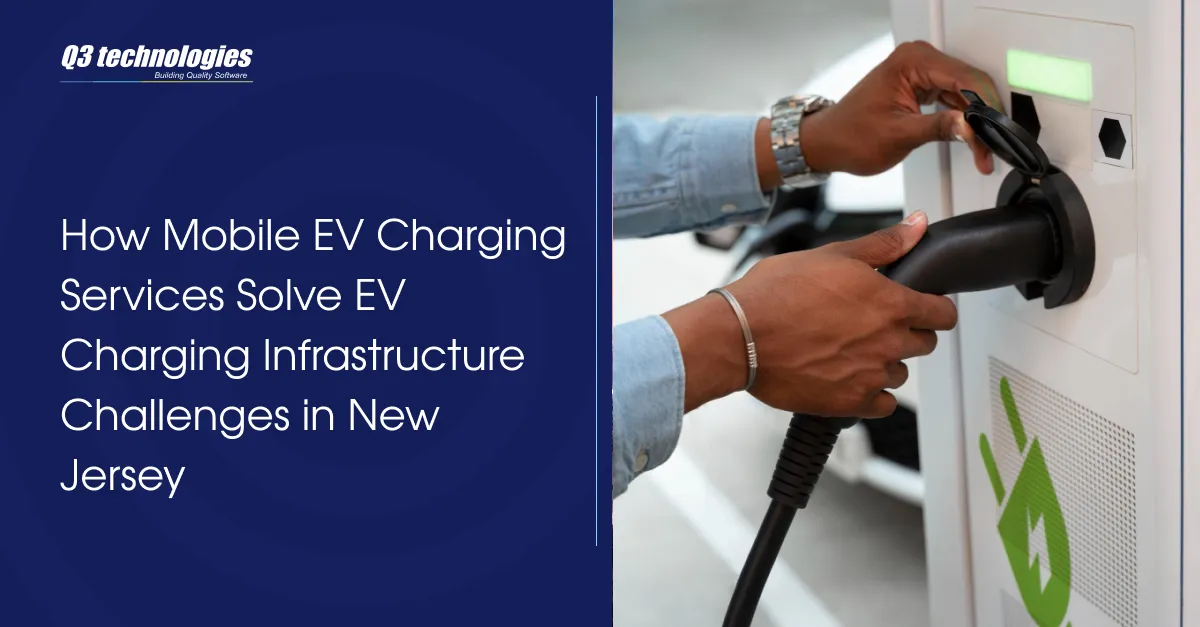


New Jersey's electric vehicle boom is accelerating, outpacing the state's charging network. Nearly 174,000 EVs are registered statewide, but there are only 5,946 public charging stations to accommodate them. This equates to about 3.4 chargers for every 100 EVs on the road, one of the highest ratios in the nation. The number of charging stations has increased almost 60 percent in the last year alone—one of the fastest increases in the country—and new EV owners continue to sign up faster than new plugs are installed.
The cost of EV charging tells a similar story. The average price for public charging in New Jersey is now approaching $0.46 per kWh, significantly higher than the average $0.15 per charge overnight at home. Drivers in other major cities, such as Hoboken, New Jersey, and Jersey City, often go around the block to find an available plug during peak evening traffic hours, and apartment renters who don't have a carport or garage have virtually no convenient charging option available. It has become a daily headache instead of a minor pain for the everyday driver, delivery fleets, and businesses who are attempting to go electric.
The Growing Gap Between EV Owners and Charging Stations
There's a lot to be proud of in New Jersey's EV efforts. When coupled with drivers' demand, the forecast elimination of new gas cars in 2035, and state rebates, the growth has been consistent each quarter. But the challenge is that it takes time to develop the new charging stations. Installing a charger can take months to complete due to permits, utility upgrades, construction crews, and site approvals. Meanwhile, electric vehicle owners in Bergen, Hudson, and Essex in the north compete with each other at times of high demand for the few available spaces.
Why Fixed Charging Stations Fall Short
Electric Vehicle owners don't live fixed lives, and traditional charging stations are created to sit in a single spot. Whether it's a commuter waiting at a train station, a fleet vehicle that's parked at a depot overnight, or a family with a dead battery on the highway shoulder, they all require power in areas a standard charger was never designed for. Mark, digging up parking lots, rewiring old buildings, and waiting for utility approvals just isn't growing at the pace at which New Jersey's EV population is expanding.
What Is Mobile EV Charging, and Why Does It Work Better?
Mobile EV charging services disrupts the traditional charging infrastructure. A fully charged mobile unit drives to the vehicle (no matter where it is parked) and connects to the vehicle's socket. A trained technician arrives with a Level 3 DC fast charger, makes the connection, and provides power on location: no digging and no permits, no waiting weeks for construction. Think of fuel delivery – but for the electric age.
That's why mobile EV charging service in New Jersey is on the rise in the past year. Even people who do not own a car and live in an apartment complex without a dedicated parking space, commuters who can't make it to the station in time, or sightseers visiting the Jersey Shore now have a viable alternative when the public charging station is busy or unavailable. As opposed to having to schedule an entire day to find a plug, a technician arrives, charges the car in less than an hour in most situations, and the driver resumes their day.
On-Demand Charging: A Faster, Simpler Way to Power Up
This is different from a standard tow truck or roadside fix because of the booking process itself. Most EV charging delivery service in New Jersey operate via an easy-to-use app or website. Like the rideshare model, drivers enter their location and vehicle information, select a time, and then receive real-time information as a tech approaches them. It is always displayed, with no hidden charges, and most batteries reach around 80% charge in 20 to 45 minutes. That's the speed and simplicity that's more important for those who must stay at a mall parking garage, corporate campus, or roadside shoulder.
Solving the Bigger Problem: Fleets, Logistics, and Businesses
Drivers aren't alone in feeling the pinch. For companies with delivery vans, rental cars, or corporate fleets, the downtime while waiting for a charge is even more costly. This is where fleet EV charging New Jersey solutions are proving their worth. Instead of investing in expensive on-site charging infrastructure, which can take months to install and years to pay off, fleet managers can hire out mobile charging teams to replenish the charge overnight, between shifts, or at logistics hubs – with no construction, no permits. For warehouses, dealerships, and last-mile delivery companies that want to keep vehicles on the road, the ability to scale into full fleet coverage in days, rather than quarters, is a major factor.
Why This Matters for New Jersey's Electric Future
Ensuring that New Jersey's climate goals are achieved is more than just about getting drivers to purchase electric vehicles. The charging infrastructure needs to catch up, and that's not the case right now. But mobile charging will not supplant the need for installing more permanent stations throughout the state; it will just be a missing link until the buildout is completed. It provides a working solution now, rather than a promise for next year, for those who live in, commute to, and work in these areas, and relieves the pressure on already cramped public stations during evening peak hours.
Conclusion
The math is simple: New Jersey has far more electric vehicles than it has places to charge them, and that gap isn't closing overnight. Jooser offers a practical way to bridge this gap with mobile EV charging, whether you're an apartment renter with nowhere to plug in, a commuter caught in a low-battery emergency, or a fleet manager trying to keep vehicles moving without a six-month construction project. As more drivers discover how convenient on-demand charging can be, solutions like Jooser are likely to become a normal part of how New Jersey powers its electric future, not just a backup plan.






















Sign in to leave a comment.