

India's logistics industry is undergoing significant transformation as e-commerce, direct-to-consumer brands, quick commerce, and digital retail continue to expand. Customers today expect faster deliveries, accurate tracking, flexible delivery options, and seamless service. Meeting these expectations requires businesses to build efficient and responsive supply chains.
Modern logistics is no longer limited to transporting goods from one location to another. It involves inventory planning, warehousing, technology, transportation management, order fulfillment, and customer-focused delivery systems.
The Changing Logistics Landscape
The growth of online commerce has created new requirements for logistics operations. Businesses now serve customers across large geographical areas while managing increasing order volumes and shorter delivery timelines.
Technology has become an important part of this transformation. Warehouse management systems, real-time tracking, automated order processing, route optimization, and data analytics are helping businesses improve visibility and operational efficiency.
These developments have also encouraged businesses to work with specialized logistics providers rather than managing every supply chain function independently.
Why Last-Mile Delivery Matters
Last-mile delivery is the final stage of the supply chain, where a shipment travels from a fulfillment center, warehouse, or distribution hub to the customer's location.
Although it represents only one part of the overall logistics process, it can have a major impact on customer satisfaction. A delayed shipment or failed delivery attempt can affect the customer's perception of the entire brand.
For this reason, businesses are focusing on improving delivery accuracy, reducing transportation delays, and providing customers with real-time shipment updates.
Technology Improving Delivery Efficiency
Technology is changing how delivery networks operate. Route optimization software can help delivery teams identify efficient routes based on distance, traffic conditions, delivery locations, and time windows.
Real-time tracking also gives businesses and customers greater visibility into shipment progress. Automated notifications can communicate important updates such as dispatch, estimated arrival, and successful delivery.
Data collected from delivery operations can further help businesses identify recurring problems and improve future planning.
The Importance of Strategic Warehousing
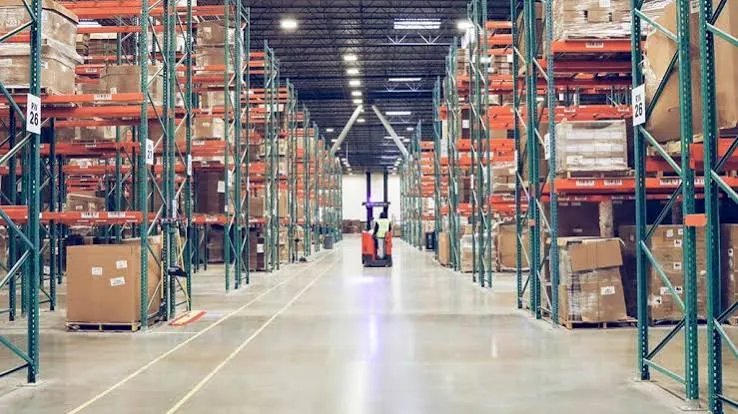
Efficient delivery begins long before a shipment reaches the customer. Warehouse location plays an important role in determining delivery speed and transportation costs.
Businesses can position inventory closer to areas with high customer demand. A distributed fulfillment network can reduce delivery distances and help companies serve customers more efficiently.
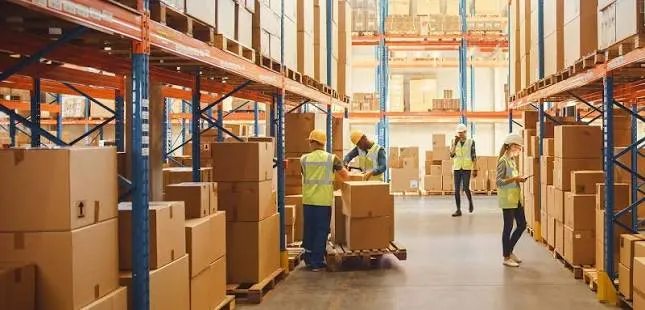
Modern warehouses also use automation and digital inventory systems to improve picking, packing, and dispatch operations. Better coordination between warehouses and transportation networks can contribute to faster order fulfillment.
Supporting E-Commerce Growth
The expansion of e-commerce has increased the need for dependable logistics infrastructure. Online businesses must manage everything from inventory storage to returns and customer deliveries.
A reliable logistics network enables brands to expand into new markets without having to establish their own transportation infrastructure in every region.
This is particularly important for smaller and growing businesses that need scalable solutions as their order volumes increase.
Choosing the Right Logistics Provider
Selecting a logistics provider requires businesses to evaluate several factors. Geographic coverage, technology infrastructure, service reliability, scalability, warehouse capabilities, and customer support should all be considered.
Businesses should also evaluate the provider's experience with their specific industry and product category. Different products may require different storage, handling, packaging, or transportation processes.
Clear service-level expectations can also help businesses monitor performance. Metrics such as delivery timelines, order accuracy, shipment visibility, and successful first-attempt delivery can provide useful indicators of service quality.
The Growing Role of Data
Data has become an essential resource for modern supply chains. Businesses can analyze order volumes, delivery times, inventory movement, customer locations, and transportation performance to make better decisions.
Predictive analytics can help companies anticipate demand and allocate inventory more effectively. Delivery data can also reveal areas where additional transportation resources or strategically located fulfillment facilities may be required.
Combining data with operational expertise can make logistics networks more adaptable and efficient.
Sustainability in Logistics
Sustainability is becoming another important consideration for modern logistics operations. Businesses are exploring ways to reduce fuel consumption, optimize delivery routes, consolidate shipments, and introduce electric vehicles.
Efficient route planning can reduce unnecessary travel while helping businesses lower transportation costs. Environmentally conscious logistics strategies can also support broader corporate sustainability goals.
Future of India's Logistics Industry
The future of logistics in India will increasingly depend on technology, infrastructure, automation, and customer-focused operations. Artificial intelligence, real-time analytics, robotics, electric mobility, and digital logistics platforms are likely to play a greater role in supply chain management.
The top logistics companies in India are adapting to these changing requirements by focusing on technology-enabled operations, scalable infrastructure, and integrated supply chain solutions.
At the same time, last mile delivery companies in India are becoming increasingly important as businesses compete to provide faster, more reliable, and more convenient delivery experiences.
Conclusion
India's logistics sector is moving toward a more connected and technology-driven future. Businesses that invest in efficient warehousing, intelligent transportation, real-time visibility, and reliable delivery networks can create stronger supply chains.
As customer expectations continue to evolve, logistics will remain an important factor in business growth. Companies that combine technology with operational expertise will be better positioned to deliver products efficiently while maintaining a positive customer experience.





















Sign in to leave a comment.