How Modern Patient Monitoring Supports Safer Healthcare

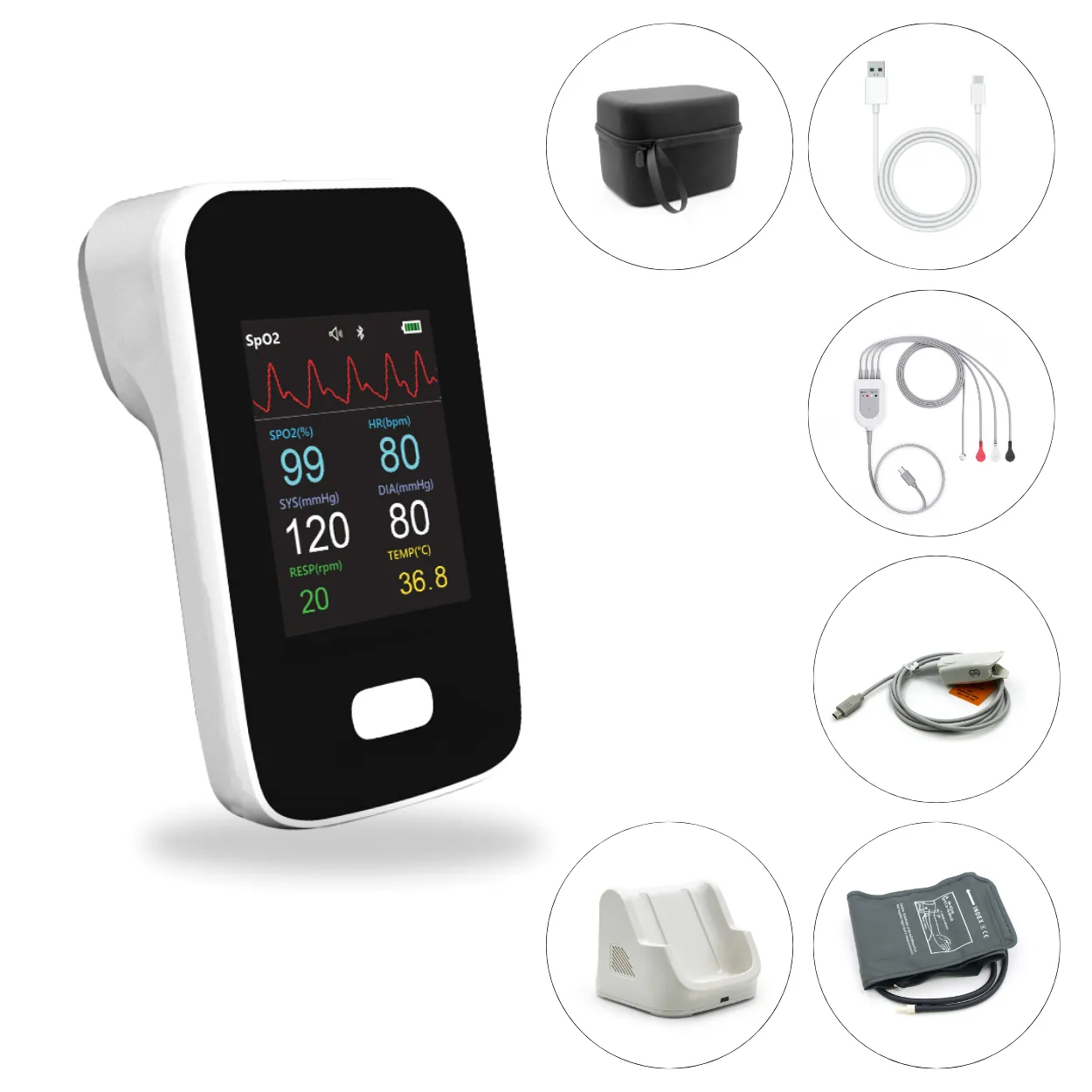
Every clinical decision begins with information. Whether a patient arrives for a routine examination, undergoes a medical procedure, or requires observation during recovery, healthcare professionals depend on accurate measurements to understand what is happening inside the body. Modern vital signs monitors help collect and display essential physiological readings, giving medical teams a clearer picture of a patient's condition and supporting timely clinical assessment.
As healthcare environments become more demanding, reliable monitoring has become an important part of hospital operations, outpatient services, and selected home healthcare programs. Understanding how these systems work, what they measure, and which features matter most can help healthcare providers make informed decisions about patient observation.
Why Physiological Monitoring Matters
Vital signs provide essential information about the body's basic functions. Changes in these measurements can sometimes indicate infection, respiratory difficulties, cardiovascular problems, dehydration, or other conditions that require further evaluation.
The four traditional vital signs are body temperature, heart rate, respiratory rate, and blood pressure. Oxygen saturation is also commonly measured because it helps assess how effectively oxygen is being carried in the blood.
Each parameter provides a different perspective on a patient's health. Temperature can help identify fever, while heart rate reflects the frequency of cardiac contractions. Blood pressure indicates the force exerted by circulating blood against arterial walls, and respiratory rate provides information about breathing patterns. Oxygen saturation estimates the percentage of hemoglobin carrying oxygen.
Healthcare professionals interpret these measurements alongside symptoms, medical history, medications, age, and physical examination findings. A single reading rarely provides a complete diagnosis, but repeated measurements can help reveal meaningful changes over time.
How Modern Monitoring Equipment Works
Patient monitoring equipment uses sensors and electronic measurement techniques to collect physiological information. The exact process depends on the parameter being measured.
Blood pressure is commonly measured using an inflatable cuff that temporarily restricts blood flow before estimating pressure. Temperature sensors detect body temperature, while pulse oximeters use light absorption to estimate oxygen saturation and pulse rate.
Some systems combine several measurement functions into one unit. The readings appear on a digital display, allowing healthcare professionals to review multiple parameters without operating separate instruments for every measurement.
More advanced platforms may store readings, display historical trends, generate alerts when measurements cross configured thresholds, or transfer information to connected clinical systems. These functions can improve documentation and help staff organize patient observations.
However, automated measurement does not eliminate the need for proper technique. Incorrect cuff size, patient movement, poor peripheral circulation, and unsuitable measurement conditions can affect results. Equipment must be used according to manufacturer instructions and appropriate clinical procedures.
Where Monitoring Systems Provide the Greatest Value
Hospitals and Emergency Departments
Hospitals use patient monitoring equipment during admission, routine ward observations, emergency assessment, and postoperative recovery. In emergency settings, quickly obtaining basic physiological measurements helps clinicians evaluate the urgency of a patient's condition.
For patients who need closer supervision, repeated or continuous monitoring can help identify changes that require investigation. The appropriate monitoring method depends on the patient's clinical status and the level of care being provided.
Outpatient Clinics and Medical Practices
Clinics often collect blood pressure, pulse, temperature, respiratory rate, and oxygen saturation before or during consultations. Efficient measurement procedures allow healthcare professionals to establish baseline readings and compare them with previous appointments.
This information can support follow up for patients with chronic conditions and help clinicians evaluate responses to treatment. Consistent documentation is particularly useful when several healthcare professionals contribute to a patient's care.
Home Healthcare and Remote Observation
Selected patients can benefit from measuring physiological parameters outside traditional medical facilities. Portable devices may support home monitoring programs for people with chronic conditions or those recovering after discharge.
When readings are shared securely with healthcare professionals, they can provide additional information between scheduled appointments. Nevertheless, home monitoring requires clear instructions, appropriate clinical oversight, and a defined process for responding to concerning results.
Remote measurements should never delay emergency care when severe symptoms develop.
Essential Features to Consider Before Choosing Equipment
Selecting appropriate monitoring equipment involves more than comparing prices or counting available functions. Healthcare providers should consider how the device will be used, who will operate it, and which measurements are clinically necessary.
Accuracy and validation should be the first priorities. Equipment should have appropriate evidence supporting its intended use and comply with applicable medical device requirements.
Ease of use is also important. Clear displays, intuitive controls, and straightforward measurement procedures can reduce training demands and help staff work efficiently in busy clinical environments.
Portability and durability matter when equipment must move between rooms or serve multiple departments. Battery performance, cleaning requirements, and the availability of replacement components should be considered during procurement.
Data management and connectivity can support consistent documentation. Providers should evaluate compatibility with existing electronic health records, access controls, and safeguards for sensitive patient information.
Maintenance and technical support influence long term reliability. Healthcare organizations should understand calibration requirements, servicing schedules, warranty conditions, and the availability of qualified support.
The best choice is the equipment that meets the clinical requirements of the intended setting while remaining dependable, practical, and straightforward to maintain.
Improving Patient Safety Through Better Monitoring Practices
Technology alone cannot guarantee safer care. Effective monitoring depends on correct measurement techniques, suitable observation intervals, and the ability to recognize clinically important changes.
Healthcare facilities should establish clear procedures for documenting readings, checking unexpected results, and escalating concerns. Alarm thresholds must be appropriate for the patient and the clinical environment to reduce unnecessary notifications without overlooking significant deterioration.
Staff training is equally important. Healthcare professionals need to understand the limitations of each measurement, recognize possible sources of error, and know when additional assessment is necessary.
Regular equipment inspections and maintenance help preserve performance. Combined with appropriate clinical judgment, these practices allow monitoring technology to contribute meaningfully to patient safety.
The Future of Connected Patient Care
Developments in digital health are making it easier to collect, organize, and review physiological information. Wireless connectivity, portable sensors, and analytical software may help healthcare teams recognize trends and coordinate care across different settings.
Artificial intelligence is also being explored to identify patterns in complex clinical data. Such tools require careful validation and should support, rather than replace, professional decision making.
As these technologies develop, successful implementation will depend on reliable measurements, secure information handling, and integration into established clinical workflows. The objective is not simply to collect more data, but to provide useful information that improves the quality and timeliness of patient care.
Frequently Asked Questions
What measurements can patient monitoring equipment record?
Depending on the model, equipment may measure blood pressure, heart rate, respiratory rate, body temperature, and oxygen saturation. Additional capabilities vary by device.
How often should a patient's vital signs be checked?
The frequency depends on the patient's condition, clinical needs, and care setting. Stable patients may require periodic measurements, while critically ill patients may need continuous observation.
Can monitoring equipment be used at home?
Some devices are designed for home use. Patients should follow the manufacturer's instructions and any monitoring schedule provided by their healthcare professional.
Why is equipment accuracy important?
Reliable measurements help clinicians make informed decisions, compare readings over time, and identify changes that may require further assessment. Incorrect readings can lead to unnecessary concern or delayed recognition of a problem.
Conclusion
Effective patient monitoring connects accurate physiological measurements with informed clinical decisions. From emergency departments and outpatient clinics to selected home healthcare programs, modern monitoring equipment helps healthcare professionals assess patients, document changes, and organize care more efficiently. By choosing suitable technology, maintaining equipment properly, and combining automated measurements with professional judgment, healthcare providers can build safer and more consistent monitoring practices.





Sign in to leave a comment.