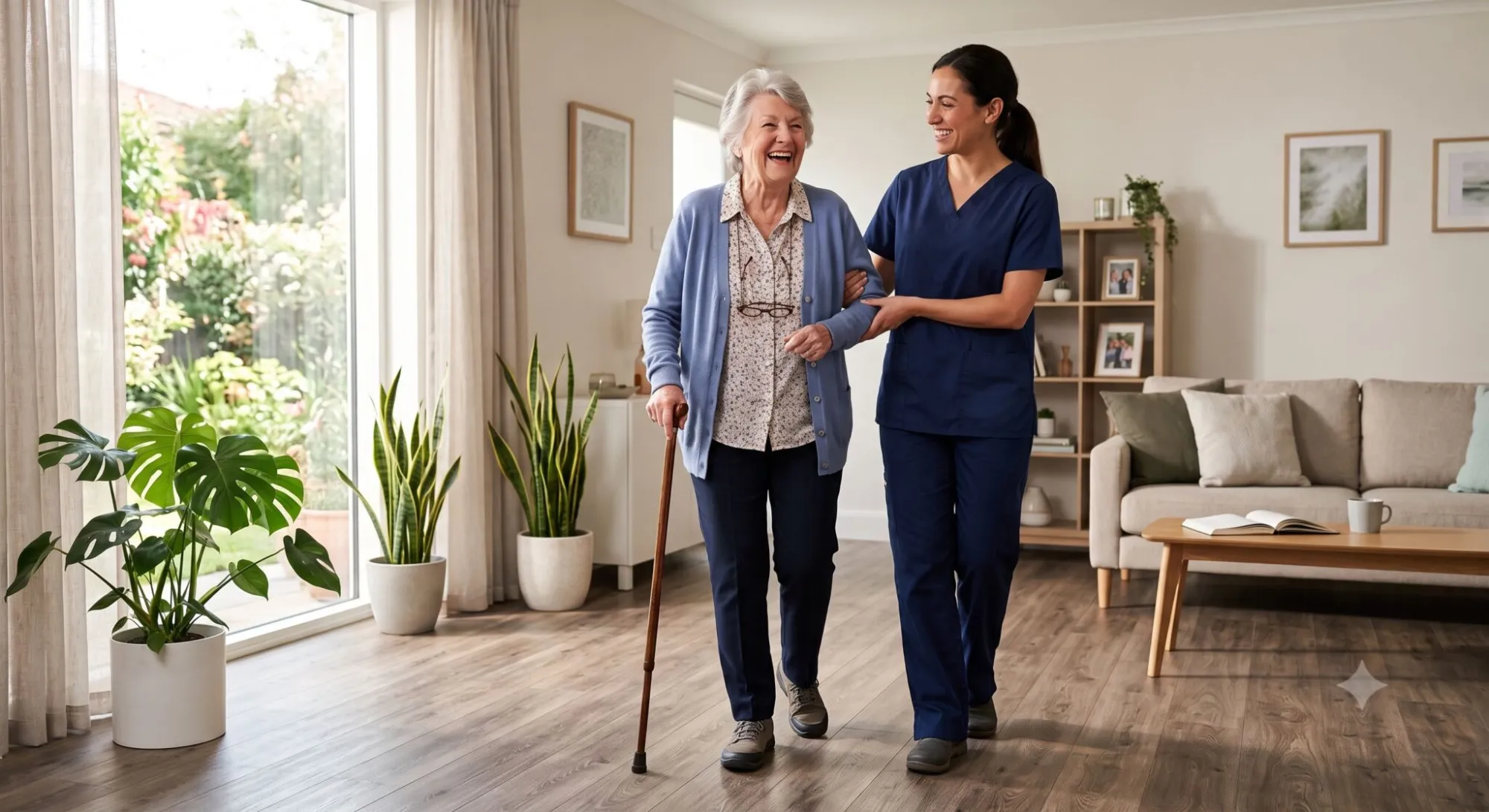

When advanced age approaches, many seniors often find themselves wondering whether they would be able to remain home or if they will be required to move to a residential assisted living facility. Living at home is not a luxury for kids, but a necessity, because today, in-home care and modern technologies have made it possible for seniors to continue to live independently at home.
Modern technology offers several devices and home modifications that help seniors stay safe at home when family members are away. Seniors who spend most of their time alone at home benefit from these technologies in many ways. This blog discusses how modern technology helps seniors stay home independently.
Why Does Home Safety Technology Matter?
Aging at home often involves balancing independence with changing physical or health needs. Technology cannot replace human care, but it can help identify potential problems, provide reminders, and make it easier for seniors and their families to respond when assistance is needed.
The most useful technology is not necessarily the most complicated. A simple device that a senior understands and feels comfortable using can be far more valuable than an advanced system that creates confusion.
The goal should be to choose technology that fits the individual's lifestyle rather than requiring the individual to change their routine completely.
Modern Options To Ensure Senior Safety at Home
Here are some options that you can explore:
Wearable Emergency Response Devices
Medical alert systems have evolved considerably. Many modern devices can be worn as pendants, wristbands, or other discreet accessories.
Features include an emergency call button, two-way communication, fall detection, GPS location services, and connections to designated contacts or response centers.
For someone who lives alone, having a way to quickly request assistance provides reassurance. Family members also feel more comfortable knowing their loved one has an accessible way to contact help.
These tools are mere safety tools and can’t guarantee protection against falls or injuries.
Smart Lighting Reduces Household Hazards
Lower vision is a common problem among seniors. Poor lighting around the house makes it worse by making it harder for seniors to navigate the home, especially at night.
Smart lighting systems make everyday movement easier by automatically illuminating hallways, stairways, entryways, or bathrooms. Motion-activated lights are particularly useful because people do not need to search for a switch in the dark.
Timers and voice-controlled lighting provide additional convenience, especially for individuals who have difficulty reaching traditional switches.
Smart Home Devices and Daily Reminders
Smart speakers and other voice-enabled devices can help seniors manage aspects of their daily routine.
They can set reminders for appointments, medication, and even hydration. Seniors can also use voice commands to contact family members, make calls, control lights, or access information.
These tools are particularly useful for individuals who find smartphones or complicated interfaces difficult to operate.
Medication Reminder Technology
Medication management can be complicated when prescriptions involve different schedules. Electronic pill dispensers, reminder systems, and medication-management applications can help organize a routine.
Some systems provide alerts when medication is due, while others can notify a designated family member if a dose is missed.
Smart Doorbells and Home Monitoring
Video doorbells and smart security systems help seniors identify visitors without opening the door immediately. Depending on the system, family members can also receive alerts when someone approaches the property.
Indoor monitoring technology requires more consideration because privacy matters. Families should discuss the purpose of monitoring with their loved one and use cameras only where appropriate.
Technology Works Best With Human Support
Even the best technology has limitations. A wearable device cannot provide companionship. A smart speaker cannot prepare lunch. A motion sensor cannot help someone safely get dressed or assist with everyday personal care.
This is why technology works best as part of a broader home-care strategy.
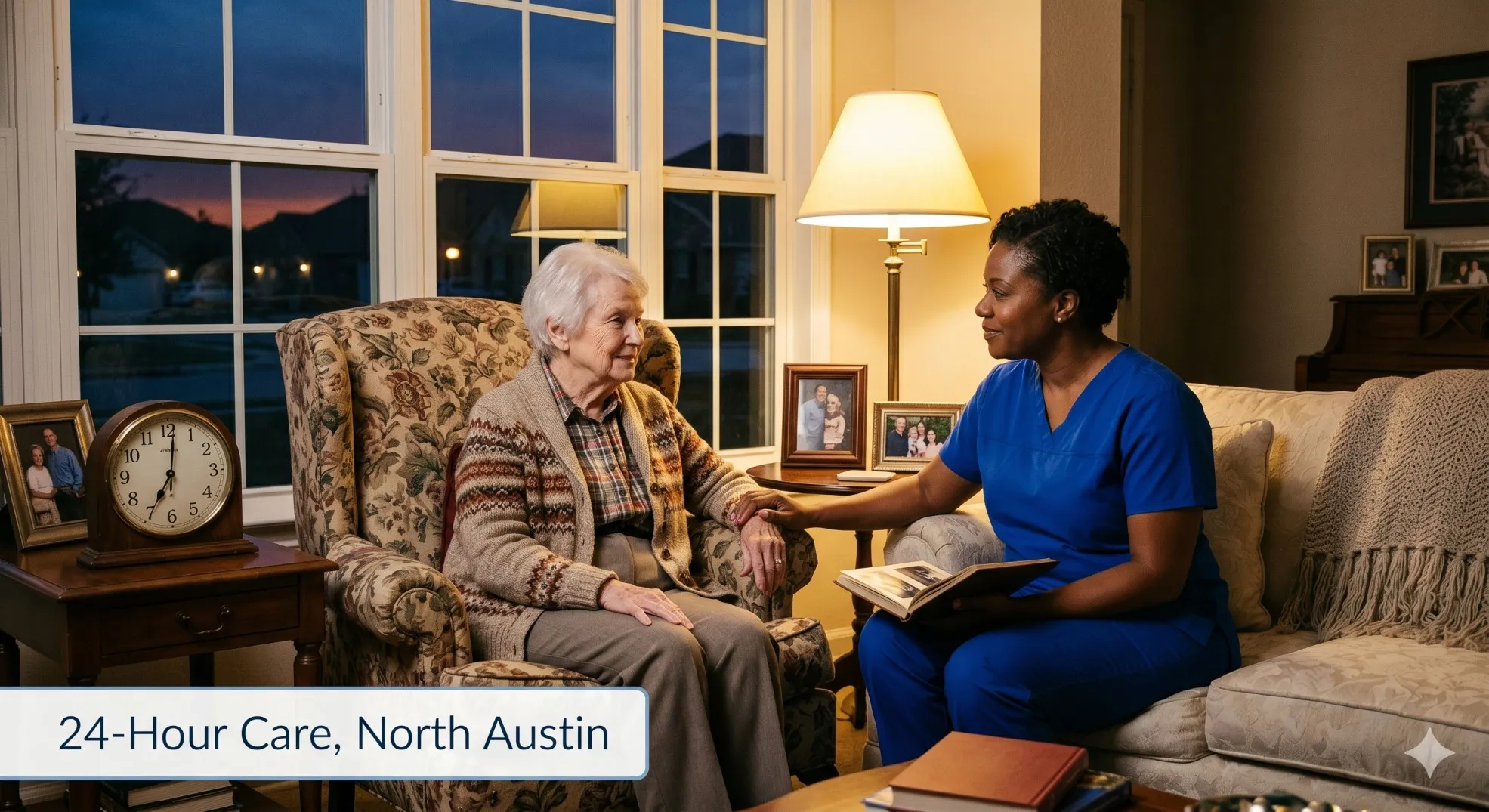
Professional in-home senior care in North Austin can provide the human support that technology cannot. Caregivers can assist with personal care, meals, mobility, companionship, transportation, light housekeeping, and daily routines.
They can also help seniors use safety technology confidently and alert family members if they notice meaningful changes in a loved one's routine or abilities.
Choosing Technology That Fits the Senior
Before purchasing a device or making changes around the house, you must ascertain seniors’ needs and comfort with technology. Talk to them about the options, what they can do for them, whether they're easy to use, and whether they are willing to use them.
Identify a problem, look for multiple solutions, and choose one that suits seniors because they are the ultimate users and should be comfortable with it.
Introducing one tool at a time can also prevent technology from becoming overwhelming.
Final Thoughts
Modern safety technology can make aging at home feel more manageable for seniors and family members. These tools are multi-purpose and, when used carefully, can help immensely in avoiding a mishap. However, remember that technology can only complement care, not replace it. As seniors age, they need help around the house with multiple tasks and proper in-home senior care in North Austin. While technology can help with certain aspects, caregivers cover others, ensuring seniors’ safety and comfort and even offering companionship.
You need to strike the right balance between the two to find the best care for your loved ones.
















Sign in to leave a comment.