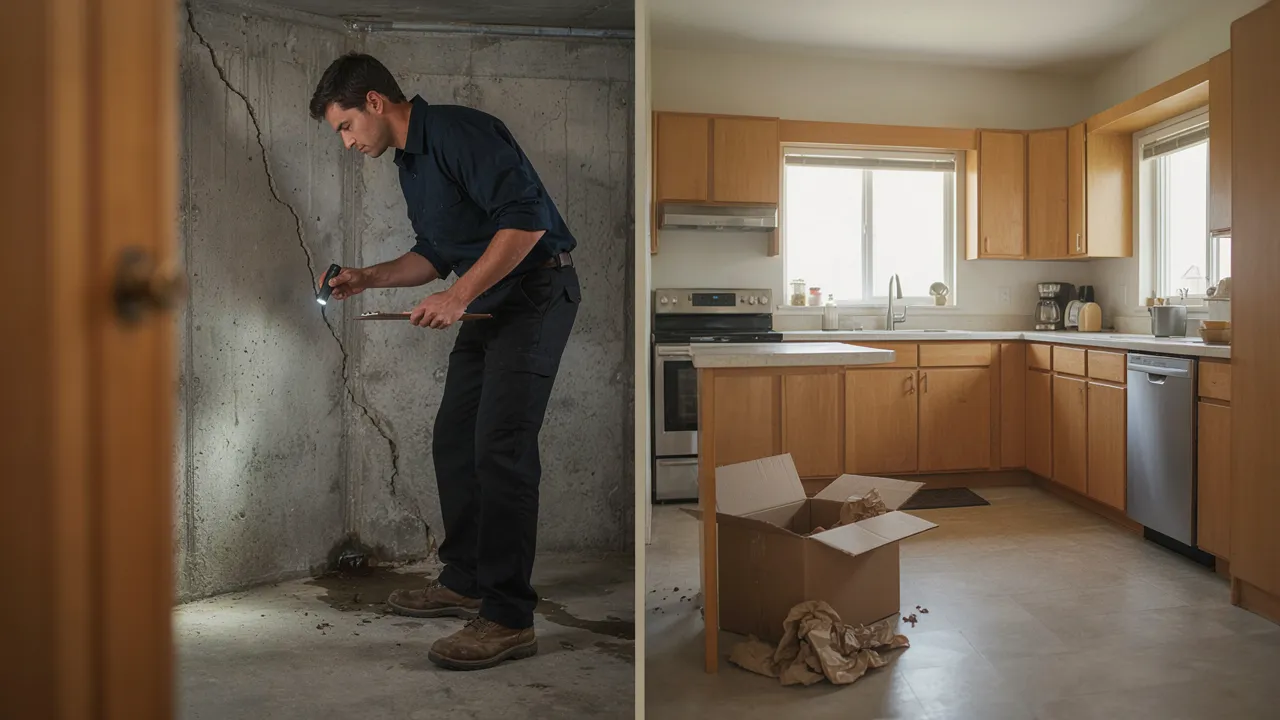

When pests appear inside a home, it is easy to assume that food is the main reason they are there. While accessible food can certainly attract insects and rodents, it is only part of the picture. Pests are often drawn to homes because they provide several basic necessities at once: moisture, shelter, warmth, and reliable access points.
Small issues that seem harmless—such as a slow plumbing leak, a crack around a window, or an overcrowded storage area—can gradually create an environment where pests feel comfortable. Understanding these conditions can make it easier to identify problems early and reduce the likelihood of recurring infestations.
For homeowners, recognizing the hidden causes of pest activity is an important part of long-term pest prevention.
Moisture Creates an Ideal Environment for Many Pests
Water is one of the most important factors influencing pest activity. Damp areas can provide insects with the humidity and moisture they need to survive, particularly in places that remain wet for long periods.
Bathrooms, kitchens, basements, laundry rooms, crawl spaces, and areas beneath leaking pipes are common trouble spots. Even condensation around poorly ventilated areas can contribute to persistent dampness.
Cockroaches, silverfish, mosquitoes, ants, and other pests may take advantage of moisture-rich environments. Rodents can also be attracted to properties where water is easily accessible.
These moisture-related pest problems are not always caused by major leaks. A dripping faucet, damaged seal, clogged gutter, or condensation problem may be enough to increase moisture levels over time.
Regularly checking plumbing fixtures, improving ventilation, repairing leaks, and addressing standing water can make a property considerably less attractive to moisture-loving pests.
Cracks and Gaps Can Become Pest Entry Points
A pest does not need a large opening to get inside. Many insects can enter through surprisingly small gaps, while mice and other rodents can squeeze through openings around pipes, vents, doors, foundations, and utility lines.
Exterior cracks around foundations and walls deserve particular attention. Gaps around windows and doors can also provide easy access, especially when weatherstripping or seals have deteriorated.
Once pests find a dependable entry route, they may repeatedly use the same pathway. This is why simply removing visible insects may not solve the underlying problem.
Inspect the exterior of your property periodically. Look for cracks in masonry, gaps around utility penetrations, damaged screens, loose door sweeps, and spaces around pipes. Sealing appropriate openings can help reduce opportunities for pests to enter.
It is also important to remember that sealing entry points works best as part of a broader prevention strategy. If pests already have access to food, water, and shelter inside, they may continue searching for other ways to remain established.
Clutter Provides Shelter and Hiding Places
Clutter does more than make a space difficult to organize—it can create convenient hiding areas for pests.
Stacks of cardboard, unused furniture, piles of paper, stored fabrics, and crowded storage spaces can give insects and rodents places to hide undisturbed. Boxes stored directly on floors or against walls can also make it harder to notice signs of pest activity.
Storage areas, garages, basements, and attics are particularly vulnerable because they are often visited less frequently than living areas.
Reducing clutter does not mean keeping your home completely empty. Instead, focus on making stored items easier to inspect. Use sealed plastic containers where practical, keep boxes elevated from damp floors, and leave some space between stored materials and walls.
A more organized storage area makes it easier to spot droppings, shed insect skins, damaged packaging, nesting material, or other warning signs before a small issue becomes a larger infestation.
Food and Waste Can Reinforce Pest-Friendly Conditions
Moisture and shelter may bring pests into a property, but food sources can encourage them to stay.
Crumbs beneath appliances, uncovered trash, overflowing garbage bins, pet food left out overnight, and improperly stored pantry products can provide easy meals. Even tiny food particles can matter to certain insects.
Kitchen hygiene should therefore be part of any pest-prevention routine. Wipe counters regularly, clean spills promptly, store food in sealed containers, and keep garbage in containers with secure lids.
Don't overlook less obvious sources. Grease buildup behind appliances, food residue inside cabinets, and forgotten pantry items can all contribute to pest-friendly conditions.
Outdoor waste matters too. Compost, fallen fruit, pet waste, and poorly managed garbage can attract pests near the exterior of a home and potentially increase the chance of indoor activity.
Look for the Combination, Not Just One Problem
One of the biggest mistakes homeowners make is focusing on a single symptom.
For example, seeing ants near a kitchen sink may lead someone to search only for an ant nest. But the larger issue could involve a combination of moisture, an unsealed pipe opening, and accessible food residue.
Likewise, finding a mouse in a basement may indicate more than a single accidental entry. A combination of foundation gaps, cluttered storage, and accessible water could be creating conditions that make the area particularly attractive.
Pests respond to environments, not isolated problems. The more favorable conditions a property provides, the more likely pest activity can become persistent.
This is why identifying the hidden causes of pest activity is often more valuable than simply addressing the pests that are visible.
Prevention Starts With Identifying the Source
Effective pest prevention begins with understanding why pests are present in the first place. Walk through your property with a simple checklist: Are there leaks or damp areas? Are cracks and gaps properly sealed? Is clutter creating undisturbed hiding places? Are food and waste stored securely? Could outdoor conditions be attracting pests toward the building?
Addressing these factors can significantly reduce the resources pests need to survive and reproduce.
However, recurring activity may indicate that pests have already established nesting areas or access routes that are difficult to identify without a thorough inspection. In those situations, professional pest management can help determine where activity is originating and which conditions need to be corrected.
The goal should not simply be to eliminate pests that are visible today. Long-term prevention means making the property less attractive to pests tomorrow.
By controlling moisture, repairing cracks, reducing clutter, improving sanitation, and addressing potential entry points, homeowners can remove many of the environmental factors that encourage pest activity. A few routine maintenance steps can go a long way toward protecting a home from unwanted visitors.


























Sign in to leave a comment.