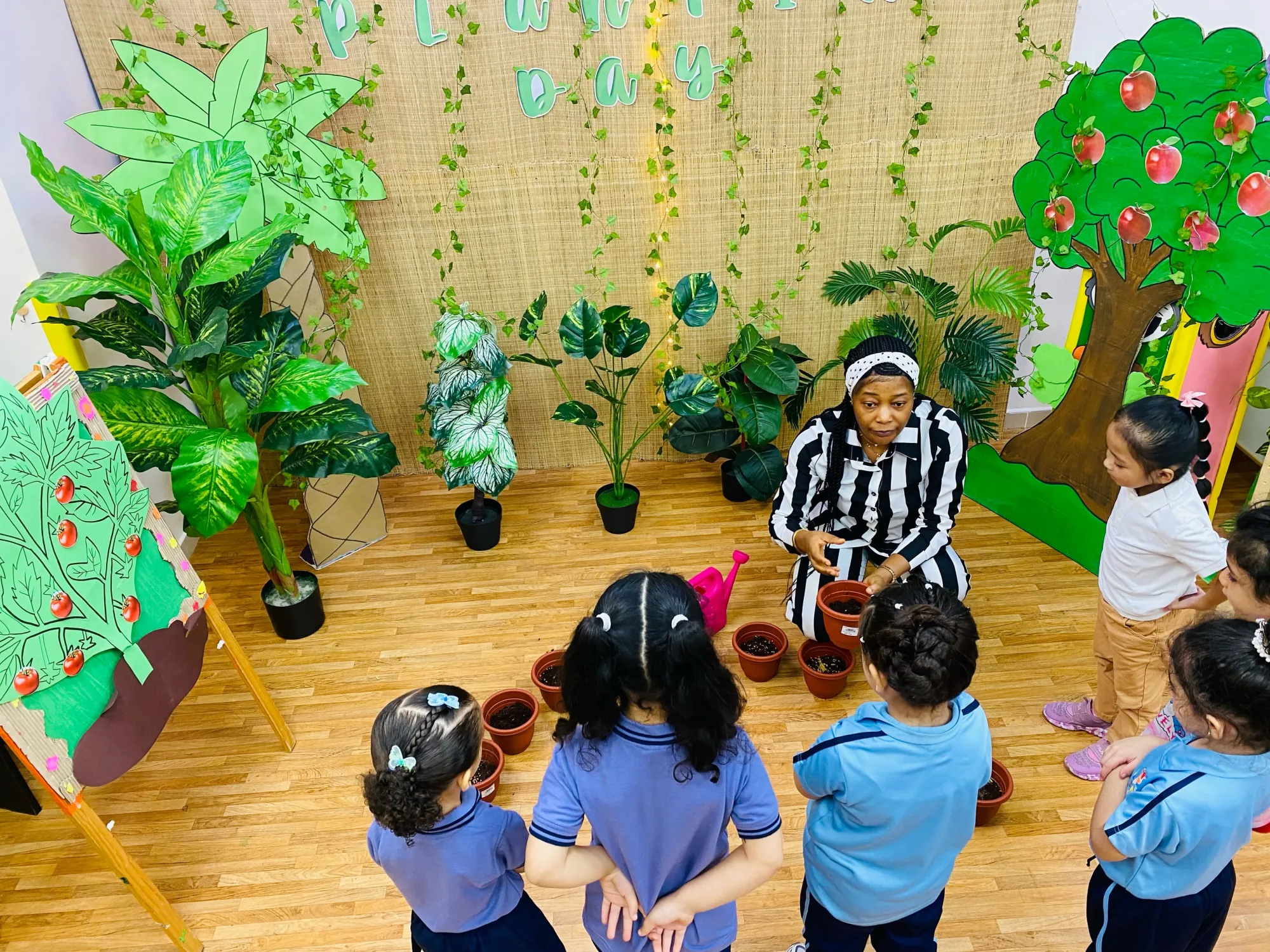

Early childhood is an important stage for developing everyday skills, confidence and independence. Children learn through exploration, observation and practical experiences that help them understand the world around them. A Montessori learning environment encourages children to participate actively, make age-appropriate choices and develop responsibility at their own pace.
For parents exploring Montessori daycare in Ajax, understanding how Montessori education supports independence can help them make an informed decision about their child's early learning.
What Makes Montessori Education Different?
The Montessori approach emphasises hands-on learning, purposeful activities and opportunities for children to work independently. Rather than relying only on direct instruction, educators prepare an environment where children can explore materials, practise skills and learn through experience.
Children may participate in activities involving practical life skills, language, mathematics, sensory exploration and creative work. Educators observe their progress and provide guidance when needed.
Families researching Oakville Montessori can explore the school's information and ask how its learning environment supports children's individual development.
1. Practical Life Activities Encourage Independence
Practical life activities help children practise everyday tasks in an age-appropriate setting. Examples may include pouring water, organising classroom materials, putting away toys and caring for personal belongings.
These activities allow children to practise coordination, concentration and responsibility. Completing a task independently can also help them feel more confident in their abilities.
At home, parents can encourage similar skills by inviting children to put away their belongings, help with simple household routines or choose between suitable activities.
The goal is not to expect children to do everything perfectly. It is to give them time to practise and learn with appropriate support.
2. Freedom of Choice Builds Decision-Making Skills
Montessori classrooms often provide opportunities for children to choose from suitable learning activities within clear boundaries. This helps them begin making decisions and understanding that their choices influence what they do next.
For example, a child may choose a puzzle, a sorting activity or a practical life task. After finishing, they may return the materials and select another activity according to classroom routines.
These small decisions can encourage responsibility, confidence and engagement.
Parents considering Montessori in Ajax can ask how children are guided when choosing activities and how educators balance independence with classroom expectations.
3. Hands-On Learning Encourages Concentration
Children often learn by handling materials, repeating activities and observing what happens. Montessori materials are designed to give children opportunities to explore concepts through practical experiences.
For example, sorting objects can introduce classification, while counting materials can help children explore early mathematical ideas. Matching activities may encourage observation and visual discrimination.
Working with materials can also give children opportunities to practise concentration. Educators can support this by allowing suitable periods of uninterrupted activity while remaining available to help.
4. A Prepared Environment Supports Responsibility
A well-organised learning environment can help children understand where materials belong and how to use them appropriately. When activities are accessible and arranged consistently, children can gradually take more responsibility for their learning space.
Simple routines, such as returning materials after use and keeping work areas tidy, can encourage respect for shared resources.
Parents exploring Montessori Oakville may wish to ask how classroom materials are organised and how children are encouraged to care for their surroundings.
5. Social Interaction Helps Children Learn Respect
Independence does not mean learning alone all the time. Children also benefit from interacting with classmates, listening to others and practising cooperation.
Everyday classroom experiences can help children learn to wait, share resources, ask for assistance and respect different needs. Educators can model calm communication and guide children through disagreements.
These experiences help children understand how their actions affect others while developing social awareness.
Parents can reinforce these lessons at home by encouraging children to express their feelings, listen to others and participate in simple shared activities.
6. Montessori Learning Respects Individual Progress
Children develop at different rates and may show different interests, strengths and learning preferences. A Montessori-inspired approach can provide opportunities for children to practise skills repeatedly and move forward as their abilities develop.
Observation helps educators understand when a child may be ready for a new challenge or need additional guidance.
When comparing Oakville Montessori options, parents can ask how educators monitor progress, communicate with families and adapt learning experiences to children's needs.
It is also useful to discuss the programme, classroom routines and expectations for the child's age group.
7. How Parents Can Encourage Independence at Home
Children can continue practising independence outside the classroom through simple, everyday experiences.
Parents can support this development by:
- Giving children small, age-appropriate responsibilities.
- Allowing them time to try tasks before stepping in.
- Offering two suitable choices instead of making every decision for them.
- Encouraging children to tidy up after activities.
- Recognising effort rather than expecting perfect results.
- Keeping daily routines predictable and manageable.
Consistent encouragement helps children understand that learning takes practice. It also gives parents opportunities to observe which tasks their children can manage independently and where they may need assistance.
Questions to Ask Before Choosing a Montessori School
Before enrolling, parents may find it helpful to ask:
- How are Montessori principles reflected in the daily programme?
- What practical life activities are offered?
- How do educators encourage independence and concentration?
- How are children's individual needs and progress supported?
- What are the classroom routines and supervision arrangements?
- How do educators communicate with parents?
- What age groups, timings and admission options are available?
A school visit can help families observe the classroom environment and discuss whether the programme suits their child's needs.
Frequently Asked Questions
1. How does Montessori education encourage independence?
Montessori learning environments give children opportunities to practise everyday tasks, choose suitable activities and care for learning materials with guidance from educators.
2. What are practical life activities in Montessori?
These are age-appropriate tasks that help children practise coordination, order and self-care, such as pouring, sorting, tidying and caring for belongings.
3. Does Montessori education allow children to work independently?
Children are often encouraged to work independently when appropriate, while educators observe, provide guidance and support their learning.
4. How can parents support Montessori learning at home?
Parents can provide simple responsibilities, encourage independent attempts, maintain predictable routines and allow children to make suitable choices.
5. What should parents look for during a Montessori school visit?
Observe the learning materials, classroom organisation, educator-child interactions, safety practices and how children are supported in their activities.
Conclusion
Montessori education places importance on active learning, practical experiences and opportunities for children to develop independence. Through everyday activities, organised environments and supportive guidance, children can practise responsibility, concentration and decision-making.
Parents exploring Montessori education in Ajax or Oakville can review Cedarbrook Montessori School's website, learn about its programmes and arrange a visit to discuss their child's needs and learning journey.
















Sign in to leave a comment.