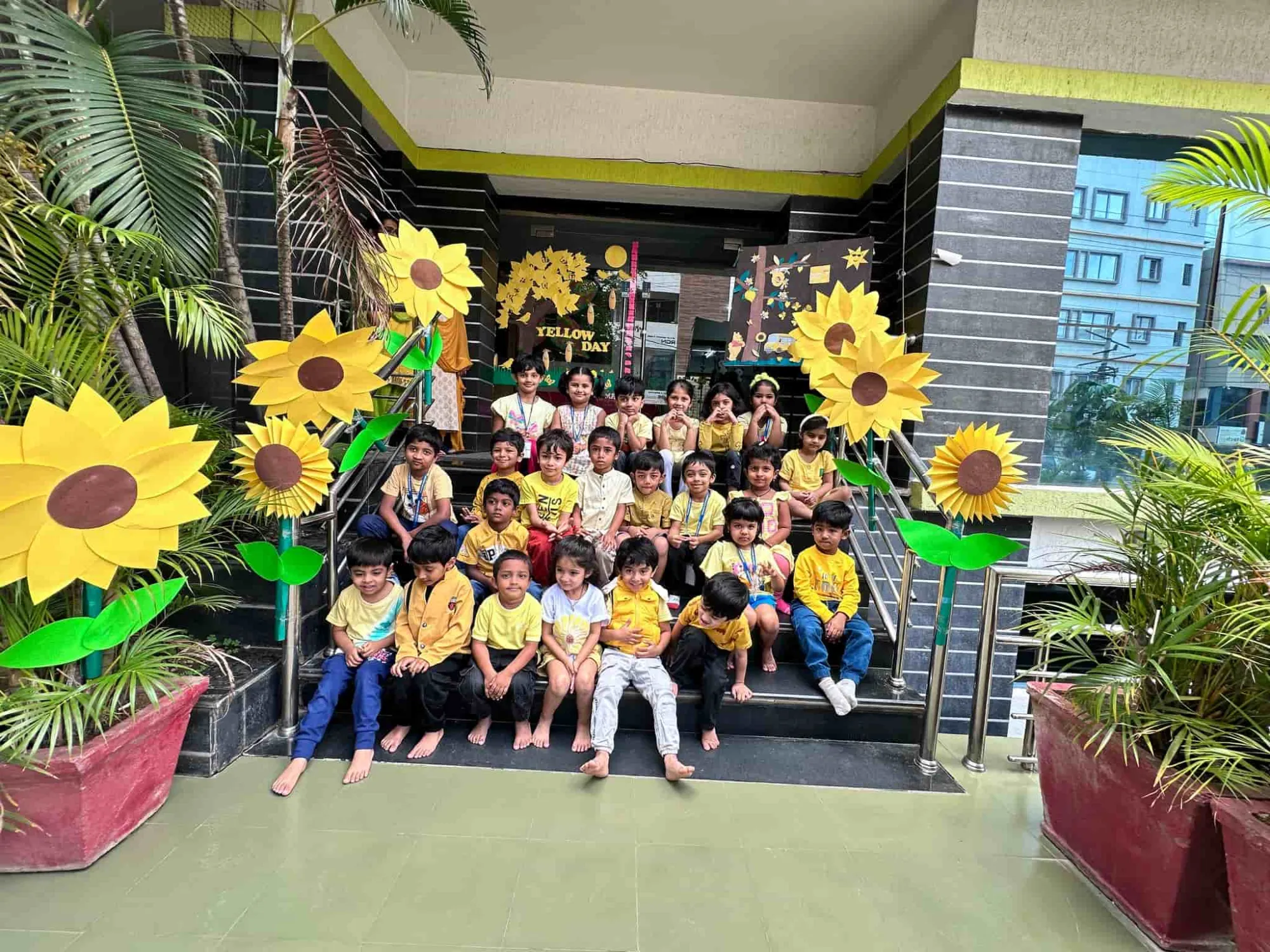

Early childhood is a crucial stage for developing habits, emotional skills, and attitudes toward learning. Montessori education supports this development by giving children opportunities to explore, make choices, complete meaningful activities, and learn at their own pace. Instead of relying mainly on direct instruction, the Montessori approach creates a prepared environment where children can gradually take responsibility for their learning and everyday tasks. This approach can support independence, confidence, concentration, coordination, and problem-solving skills when implemented thoughtfully and consistently. Research and professional Montessori guidance also highlight these areas as important outcomes of quality Montessori education.
How Montessori Education Develops Independence
Independence begins when children are given opportunities to do appropriate tasks for themselves. Montessori classrooms use child-sized furniture, accessible learning materials, and practical activities that allow children to participate actively rather than always depending on an adult. Simple activities such as arranging materials, caring for belongings, preparing food, or cleaning an area can help children develop coordination and responsibility.
A key principle is to provide help without unnecessarily taking over. Children are encouraged to attempt tasks, make choices, correct mistakes, and try again. Over time, these experiences can strengthen their ability to initiate activities and manage simple responsibilities independently.
How Montessori Builds Confidence
Confidence develops through real experiences of achievement. Montessori learning allows children to work with materials that match their developmental stage and gradually move toward more challenging activities. When children complete a task through their own effort, they experience a sense of accomplishment rather than simply receiving praise for getting an answer right.
This approach also gives children opportunities to make meaningful choices within clear boundaries. Having some control over what they work on can encourage ownership and self-direction. The American Montessori Society notes that child-directed work and personal accomplishment can support self-confidence and intrinsic motivation.
For families looking for a supportive early-learning environment, a Montessori preschool in HSR Layout Bangalore can provide children with opportunities to develop these skills through age-appropriate activities and carefully prepared classroom experiences.
How Montessori Strengthens Concentration
Young children can develop concentration when they have enough time and freedom to engage deeply with an activity. Montessori classrooms commonly provide uninterrupted work periods, allowing children to select an appropriate activity, focus on it, complete it, and return materials afterward. This reduces unnecessary interruptions and encourages sustained attention.
Montessori materials are also designed around specific skills and concepts. Because activities often involve hands-on manipulation, observation, repetition, and problem-solving, children have opportunities to practise focusing on one task at a time. Repetition can help children refine movements and gradually gain greater control over their work.
The Role of the Montessori Teacher
The teacher plays an important role by observing children, introducing materials appropriately, demonstrating activities carefully, and allowing children to work independently. Rather than constantly directing every action, the teacher provides guidance when necessary and creates an environment where children can explore within clear limits. This balance between freedom and structure helps children develop self-discipline alongside independence.
Why These Skills Matter Beyond Preschool
Independence, confidence, and concentration are not isolated classroom skills. They can support children as they approach new academic tasks, social situations, and everyday responsibilities. Montessori education aims to develop the whole child by combining academic learning with practical skills, problem-solving, self-direction, and social development. Evidence reviewed by the American Montessori Society also indicates positive academic and non-academic outcomes in some Montessori research, particularly when programs follow Montessori practices with strong fidelity.
Conclusion
Montessori education supports young children by creating opportunities to learn through purposeful activity, choice, repetition, and hands-on experiences. Independence grows as children take responsibility for age-appropriate tasks, confidence develops through genuine accomplishment, and concentration strengthens when children receive time to engage deeply with meaningful work. The quality of implementation matters, including the prepared environment, teacher training, appropriate materials, and respect for each child's developmental needs. For parents evaluating early education, understanding these principles can help them look beyond academic preparation and consider how a learning environment supports the child's broader development.
























Sign in to leave a comment.