

New parents soon find out that the cost of baby rearing goes beyond just nappies and formula. Cot, pram, car seat, high chair, bassinet, baby monitor, and bouncer are all things that will cost you thousands of dollars before your baby turns one year old. What is even more irritating is that all of this will only be used for a relatively brief period of time—a bassinet will probably last four months at best; capsule car seats will have to be replaced after a year. The fact that the period of usage is so short is the reason why more and more Kiwi parents are opting to rent baby items in New Zealand rather than purchase them anew.

The sharing economy trend has silently revolutionized the way households handle big investments, and baby equipment is one of the most evident cases in point.
The Real Cost of Buying Baby Gear New
New parents wanting to buy everything new can end up spending a significant amount on baby equipment in the first year.
It is quite frustrating to know that all this equipment is used only for several months before the baby gets too large and it becomes useless. Unlike the clothes, which can be sold without difficulties, other baby equipment is left in garages and storerooms, where it takes up space without any sense.
Why Renting Makes Financial Sense
The concept of rentals reverses the process. Rather than spending the full retail value of the product on an item for temporary use, one only pays a portion of the retail value for the exact duration of the use. Over the course of the average six months to twelve-month period during which the item is used, the total rental fee comes to between 20% and 40% of the retail value, which works out to a solid saving for a full set of baby products.
This is exactly the model behind the increase in the number of parents renting items in New Zealand, where there is no need to rationalize buying expensive equipment for temporary use.
The Rise of Community-Based Rental Platforms
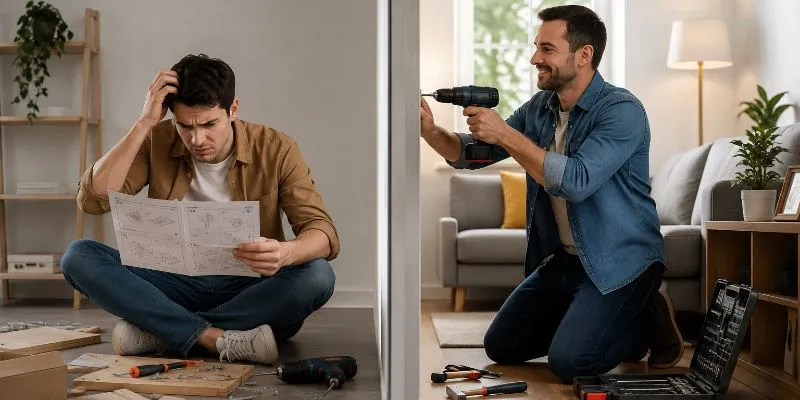
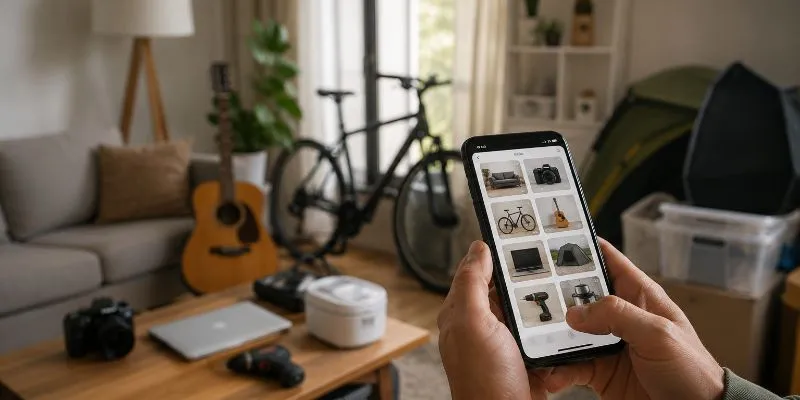
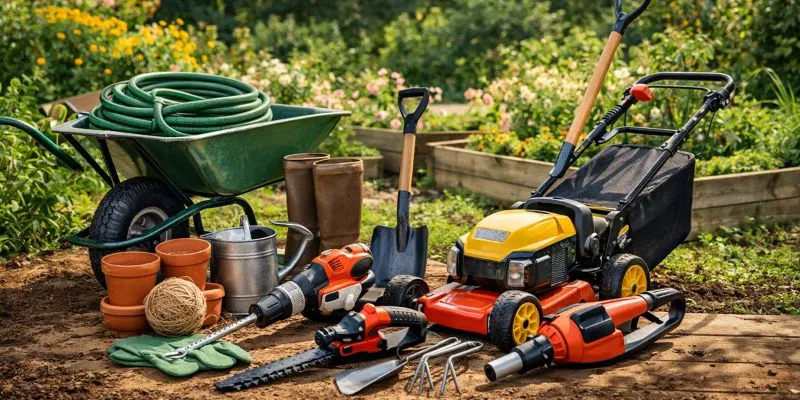
The reason why such a change became possible lies in the formation of a new model of community tool rental, which has evolved from renting tools to renting household goods and baby items. Initially created as an opportunity to exchange power tools, ladders, and garden tools between neighbors, the system has logically evolved to provide rental of baby items, camping equipment, and other goods, which users might need temporarily and not keep permanently.
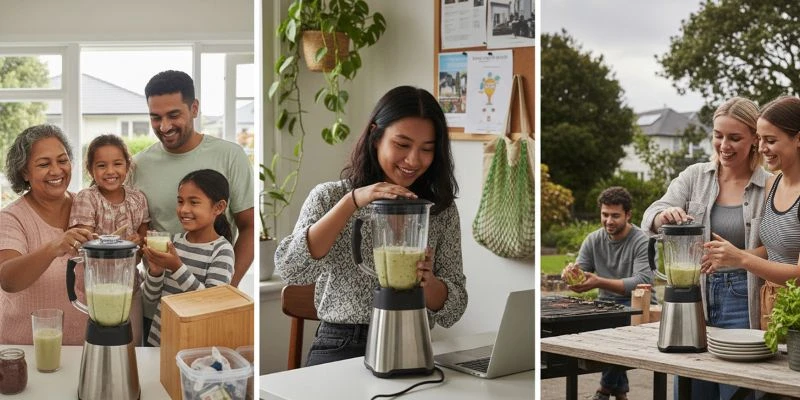
This business model is based on connecting users with quality equipment, which sits idle at the moment, with those who need the exact equipment for a particular period of time. Thus, for parents, there is an opportunity to get all kinds of baby items, which are often of better quality than what they can buy for themselves.
How Culture of Tool Sharing Prepared the Ground
It must be noted that the overall trend of using shared tools on a nationwide scale is worth mentioning when evaluating the benefits of the shift in consumption habits. The Kiwi people have always been known for their practicality in financial issues, and this trend proved to be not only useful but sustainable as well—fewer things are produced, transported, and ultimately discarded, which also applies to baby items.
As the network of renters began to gain trust from parents, new types of shared goods were introduced organically. It became quite natural for the families who have already rented a lawnmower or drill to use the same service in order to rent a bassinet or a high chair for the baby, using the same rationale—why spend money to buy something that would be needed for only a few months?
Quality Without the Price Tag
An aspect of baby equipment rental that is not widely known is the ability to have access to superior-quality equipment compared to what most parents can afford to buy. An expensive pram or a car seat may be outside one's financial capacity to own; however, renting the exact expensive product for some months will prove to be very affordable. Therefore, babies end up getting better equipment through baby equipment rentals than through purchasing cheap products due to lack of financial resources.
It is one of the major reasons why equipment rental in New Zealand has become mainstream from being just an alternative option for cost-conscious parents.
Reducing Waste and Storage Stress
Apart from the financial savings, renting provides an important solution to a very practical issue of storing. Baby equipment is big, and after a child grows out of some of the things, parents often find themselves in need of dealing with the cot, pram, or a bouncer, which takes up space in the garage. If one opts for selling, he will have to spend both time and effort with a result of getting back only part of the initial cost of purchase. This problem gets completely eliminated when renting—all a person has to do is return the thing back to the owner or the platform when it is not needed anymore.
It is one more reason why the community tool rental platform idea worked out so well for growing families.
Final Thoughts
Renting instead of purchasing new can cut costs significantly in the initial stages of parenthood while at the same time solving problems related to space and disposal of the items at the end of use. In relation to the increasing popularity of the idea of renting as an alternative source of equipment in New Zealand, many people have realized that it is not mandatory to own equipment to provide the best to their children.
Starting with the idea of renting tools and later expanding the idea of renting baby equipment and other household equipment, the principle involved is the same—access is far more important than owning, especially in cases of products with a relatively short lifespan. In relation to parents trying to decide whether or not they should spend a lot of money on buying nursery equipment, the answer is definitely renting.




















Sign in to leave a comment.