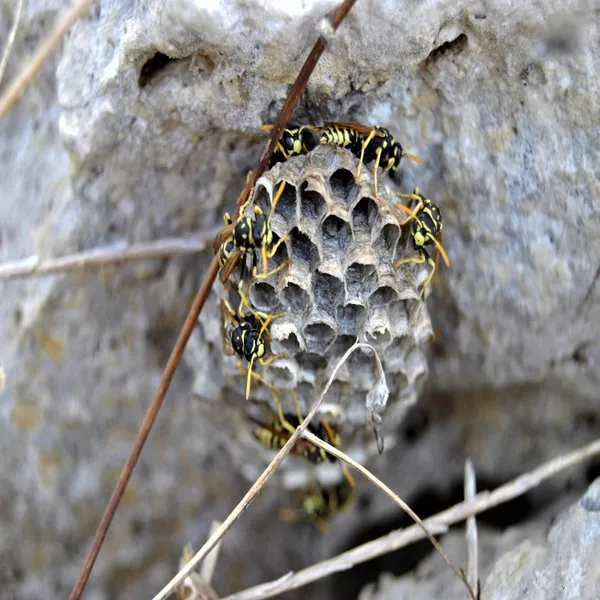

The cost of bee removal cannot be calculated by counting the insects outside.
A dozen visible bees may belong to a large colony inside a wall. A cluster containing thousands of bees may be a temporary swarm that has not built a hive.
The price depends on what is happening behind the visible activity.
A professional bee removal service in Katy will normally consider the insect species, colony location, structural access, amount of comb, removal method, cleanup, repairs, and follow-up before giving a reliable quote.
What Is the Average Cost of Bee Removal?
There is no accurate flat rate for every bee problem.
A simple swarm collection from an accessible branch generally involves less work than removing an established colony from a two-storey wall. Structural work may require access equipment, opening building materials, removing comb, cleaning the cavity, and completing exclusion repairs.
A responsible provider should inspect or carefully assess the property before confirming the final scope.
The Main Factors That Affect Bee Removal Cost
1. Swarm or Established Colony
This is one of the biggest pricing differences.
A temporary swarm has gathered while searching for a nesting site. It may not yet have built wax comb.
An established colony has occupied a cavity and may contain:
- Adult bees
- A queen
- Brood
- Wax comb
- Honey
- Pollen
- Hive debris
Removing an established colony is normally more involved.
2. Nest Location
Location affects access, safety, and labour.
Common locations include:
- Trees
- Shrubs
- Wall cavities
- Rooflines
- Attics
- Chimneys
- Soffits
- Columns
- Sheds
- Utility enclosures
- Spaces beneath siding
A colony inside a wall may require controlled access to reach the comb. A cluster on a low branch may not.
3. Height and Accessibility
A nest close to the ground may be easier to inspect and reach.
Higher locations may require:
- Extension ladders
- Scaffolding
- Lifts
- Roof access
- Additional safety equipment
- More than one technician
Restricted access can also increase the complexity. Narrow side yards, steep roofs, fragile surfaces, and landscaping may affect how the work is performed.
4. Colony Size
A recently established colony may contain less comb than one that has occupied the structure for a long period.
However, visible flight activity alone does not provide a reliable measurement. A small opening can lead to a large interior cavity.
5. Structural Opening
Some removals require a section of the building to be opened.
This could involve:
- Siding
- Soffit panels
- Interior drywall
- Exterior sheathing
- Roofing material
- Chimney components
- Decorative columns
The quote should explain whether opening and closing the structure are included.
6. Comb and Honey Removal
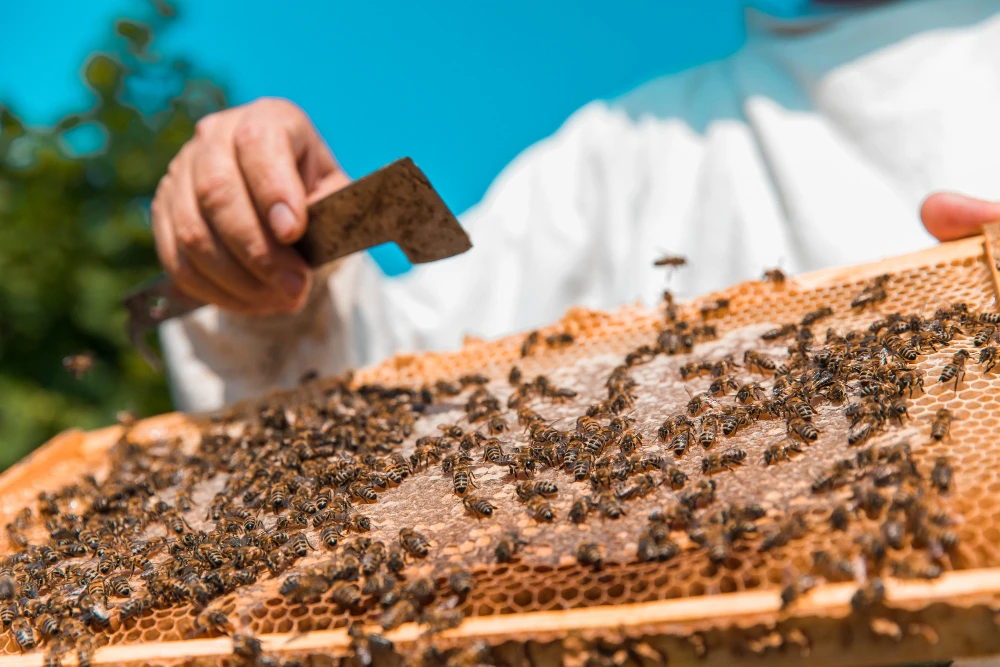
Removing adult bees without removing accessible hive material may leave honey, wax, brood, and debris inside the building.
Texas A&M Life explains that honey bees build wax combs for raising young and storing food. An established structural colony therefore involves more than a group of flying insects.
Comb cleanup can add labor, but it is often important for a complete result.
7. Building Repairs
Removal and repair are not always included in the same price.
Ask whether the provider will:
- Replace siding
- Close drywall
- Repair a soffit
- Seal roof gaps
- Reinstall trim
- Match paint
- Screen vents
- Seal utility penetrations
A lower initial quote may exclude these tasks.
8. Exclusion Work
Exclusion prevents future colonies from accessing the same cavity.
It may include sealing the original entrance and nearby openings after the colony has been removed.
The property may have several related gaps. Closing only one hole may not address the wider vulnerability.
9. Emergency or Priority Scheduling
A colony inside an occupied room creates a different level of urgency than a low-risk swarm at the rear of a large property.
Priority scheduling may affect the service cost, especially outside regular operating hours.
10. Follow-Up Visits
Structural colonies may require monitoring.
The provider should explain:
- Whether follow-up is included
- How long activity may continue
- When to report renewed activity
- Whether exclusion will happen immediately or later
- What warranty or service terms apply
What Should a Bee Removal Quote Include?
When comparing a bee removal service near me, make sure each company is quoting the same scope.
A detailed estimate should state whether the following are included:
- Inspection
- Species identification
- Swarm or colony assessment
- Access equipment
- Colony removal
- Hive or comb removal
- Honey cleanup
- Structural opening
- Structural repair
- Entry-point sealing
- Debris disposal
- Follow-up
- Warranty terms
A vague quote can make a service appear less expensive than it really is.
Why Very Low Quotes Require Careful Review
A low price is not automatically a problem. It may be appropriate for a simple, accessible swarm.
Concern is justified when the quote ignores obvious structural work.
For example, a provider may propose killing visible bees at the entrance without discussing the comb behind the wall. That may stop activity temporarily while leaving the hive material in place.
Partial work can lead to:
- Honey leakage
- Wall staining
- Odors
- Secondary pests
- Bees entering interior rooms
- New swarms using the same cavity
- Additional repair costs
The most useful question is not, “Who has the lowest price?”
It is, “What problem does this price fully solve?”
Is Live Bee Removal More Expensive?
The cost depends on the situation rather than the label.
Collection or relocation may be practical for an accessible swarm. Structural colonies can require more complex work to remove bees and hive materials safely.
Not every colony can be handled in the same manner. The provider should explain what is feasible based on:
- Species
- Colony condition
- Location
- Access
- Safety
- Structural damage
- Weather
- Available receiving arrangements
Avoid guarantees made before the colony has been evaluated.
Does Homeowners Insurance Cover Bee Removal?
Coverage varies by insurer and policy.
Some policies may exclude pest removal. Others may cover certain resulting damage but not the removal service itself.
Homeowners should ask their insurer:
- Is insect removal covered?
- Is damage caused by honey or hive material covered?
- Is wall access covered?
- Are resulting repairs covered?
- Is preventive exclusion covered?
- What documentation is required?
Obtain the answer directly from the insurer. Do not assume coverage based on another homeowner’s experience.
How Can You Reduce the Cost of Bee Removal?
The safest way to limit costs is to respond before the colony causes wider structural problems.
Arrange an Early Inspection
Do not wait until honey stains appear or bees enter occupied rooms.
Avoid DIY Sprays
Unsuccessful treatment may scatter activity, contaminate the hive, or make removal more difficult.
Do Not Seal the Entrance
Trapped bees may move deeper into the structure or emerge indoors.
Provide Clear Access
Remove stored items, furniture, or vehicles from the work area when instructed.
Share Relevant Information
Tell the provider:
- When activity began
- Where bees enter
- Whether bees are indoors
- Whether anyone applied chemicals
- Whether the area was repaired before
- Whether a colony occupied the site previously
Good information can make the inspection more efficient.
Why Licensing Matters
Texas regulates structural pest control work performed for compensation. The licensing requirements can cover inspection, identification, recommendations, pesticide applications, prevention, and control around structures.
Ask the provider to explain the credentials applicable to the proposed work.
Licensing does not replace the need to ask about:
- Bee-specific experience
- Structural access
- Comb removal
- Repairs
- Exclusion
- Follow-up
These are separate but equally important considerations.
Should You Pay for an Inspection?
An inspection fee may be reasonable when the situation requires travel, technical assessment, access equipment, or detailed diagnosis.
The value depends on what the inspection provides.
A useful inspection should identify:
- The insect
- The likely colony location
- Access requirements
- Safety risks
- Removal options
- Cleanup needs
- Repair requirements
- Prevention opportunities
Ask whether the inspection fee is applied to the service price if you proceed.
How Long Should a Quote Remain Valid?
The colony may continue growing or expanding its comb after the inspection.
A quote may need revision when:
- Several weeks pass
- Bee activity changes significantly
- New entrances appear
- Interior staining develops
- Construction blocks access
- Additional colonies are found
- The structure has hidden damage
The provider should state how long the estimate remains valid.
What Is Not Usually Included?
Do not make assumptions.
Items that may be excluded include:
- Drywall finishing
- Painting
- Roofing repair
- Brickwork
- Electrical work
- Insulation replacement
- Mould remediation
- Extensive cleaning
- Landscaping repair
- Insurance documentation
Clarify these points before work begins.
Frequently Asked Questions
Why can’t a bee removal company quote from one photograph?
A photograph may show the entrance or visible cluster. It cannot always show the colony size, comb position, cavity depth, structural damage, or number of access points.
Is swarm removal cheaper than hive removal?
It often involves less work when the swarm is accessible and has not established comb. Final cost still depends on height, location, access, and safety.
Does the price include repairing the wall?
Not automatically. Ask whether opening, temporary closure, full repair, finishing, and painting are included.
Why should honeycomb be removed?
Comb can contain honey, pollen, brood, and debris. Leftover material may leak, smell, attract pests, or draw future colonies.
Can I lower the cost by sealing the hole myself?
No. Sealing an active colony may force bees into the home and increase the required work.
Will one treatment solve the problem?
It depends on the species and nest location. A complete structural service may require removal, cleanup, exclusion, and follow-up.
Does a larger number of flying bees always mean a higher price?
No. A temporary swarm may contain many visible bees but no established comb. A large hidden colony may show relatively little exterior traffic.
How do I compare two estimates?
Compare the exact scope. Check colony removal, comb cleanup, structural access, repairs, exclusion, follow-up, and warranty terms.
Request a Bee Removal Assessment in Katy
The most reliable quote starts with accurate identification.
Raul The Bees Guy can assess the bee activity, locate the likely nesting area, and explain which parts of the service are necessary for your property.
Contact us when you need a professional bee removal service in Katy or are comparing options after searching for a bee removal service near me.
A complete estimate should explain both the immediate removal and the work needed to prevent the same problem from returning.
























Sign in to leave a comment.