How Much Does an HBOT Chamber Cost? A Complete Price Guide


Purchasing a hyperbaric oxygen therapy chamber is a significant investment, whether you are considering equipment for home use, a wellness facility, or a professional medical center. Understanding the HBOT chamber price involves more than comparing the initial purchase cost. Chamber design, operating pressure, oxygen delivery systems, safety features, installation, and ongoing maintenance can all influence the total expense.
This guide explains the main factors affecting hyperbaric chamber prices and offers practical tips for comparing available options.
What Is the Average HBOT Chamber Price?
The price of a hyperbaric oxygen therapy chamber varies considerably depending on its construction, specifications, and intended use. Smaller soft-shell chambers generally cost less than large, rigid medical-grade systems. Professional chambers may require additional installation, specialized equipment, and operational training.
As a general budgeting guide, prospective buyers may encounter the following broad price ranges in the United States. These are illustrative estimates, not verified current quotes, and actual prices can vary significantly by manufacturer and configuration.
- Soft-shell chambers: Approximately $5,000–$25,000 or more.
- Hard-shell single-person chambers: Approximately $20,000–$100,000 or more.
- Advanced clinical or multiplace chambers: $100,000 to several hundred thousand dollars or more.
The final HBOT chamber price depends on the specific model, included accessories, shipping, installation, warranty, and other requirements. Buyers should request a written quotation before making a purchasing decision.
Factors That Influence Hyperbaric Chamber Prices
1. Chamber Construction
Construction is one of the biggest factors affecting cost.
Soft-shell chambers use flexible materials and are often marketed for mild-pressure applications. Their purchase price may be lower than that of rigid chambers, although features and quality differ among manufacturers.
Hard-shell chambers feature rigid pressure vessels and are available in various configurations. Systems designed for higher operating pressures or specialized medical applications may require more complex engineering, controls, and safety systems.
When comparing products, consider the complete equipment package rather than price alone.
2. Operating Pressure and Specifications
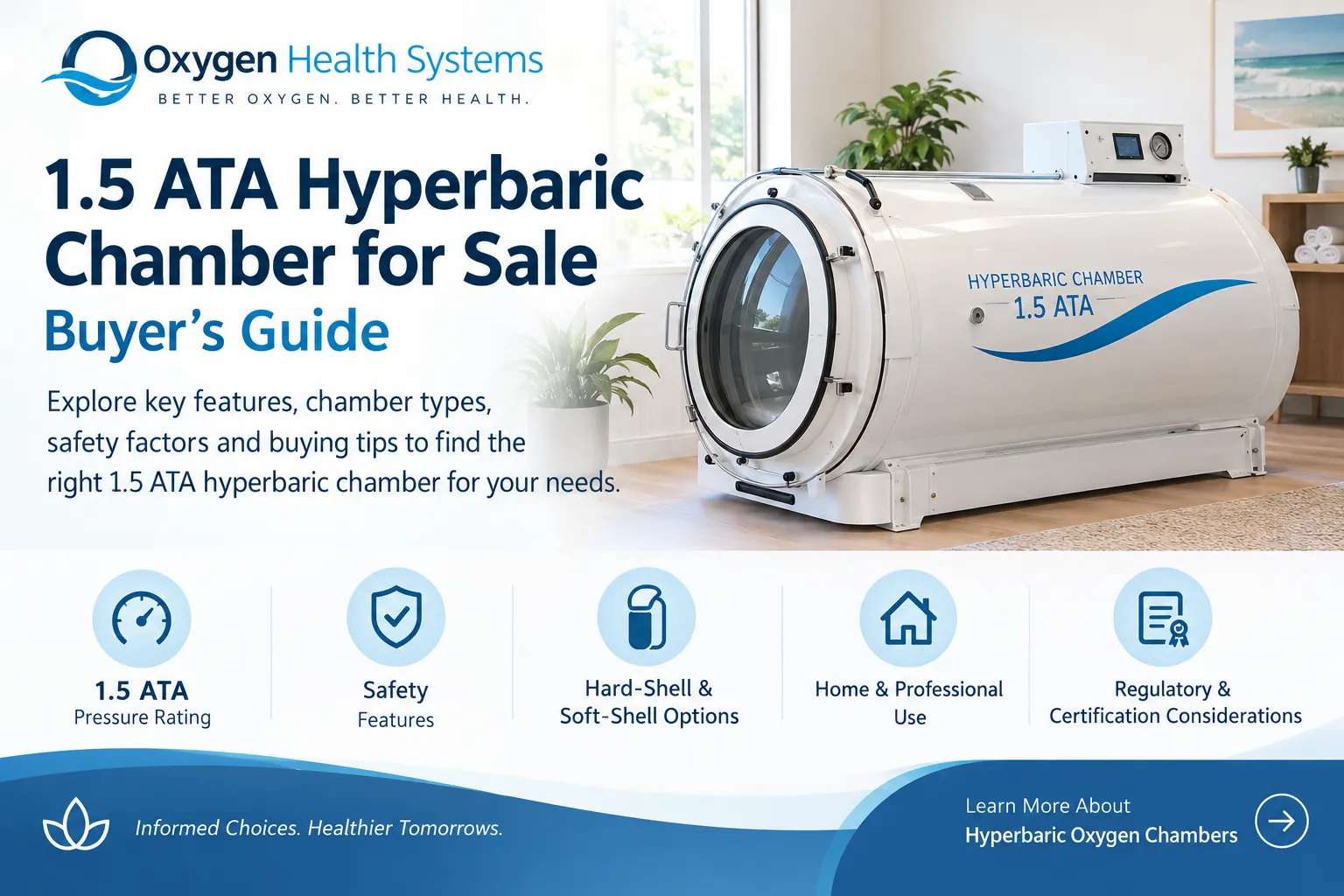
Hyperbaric chambers may be advertised with different pressure ratings, including 1.3 ATA, 1.5 ATA, and 2.0 ATA.
ATA stands for atmospheres absolute. A higher pressure rating does not automatically mean a chamber is more appropriate for every user or application.
Equipment designed for different pressure ranges may require different construction, components, operating procedures, and safety considerations. Buyers should verify the actual operating specifications and intended use of each system.
3. Oxygen Delivery Equipment
Oxygen delivery is another important consideration when evaluating the HBOT chamber price.
Depending on the design, a chamber may use compressed air to pressurize the enclosure while providing supplemental oxygen through a separate breathing system. Other configurations may differ.
Ask the manufacturer what is included in the quoted price, such as oxygen concentrators, masks, breathing equipment, pressure monitoring, and accessories. Confirm whether additional components must be purchased separately.
4. Size and Chamber Configuration
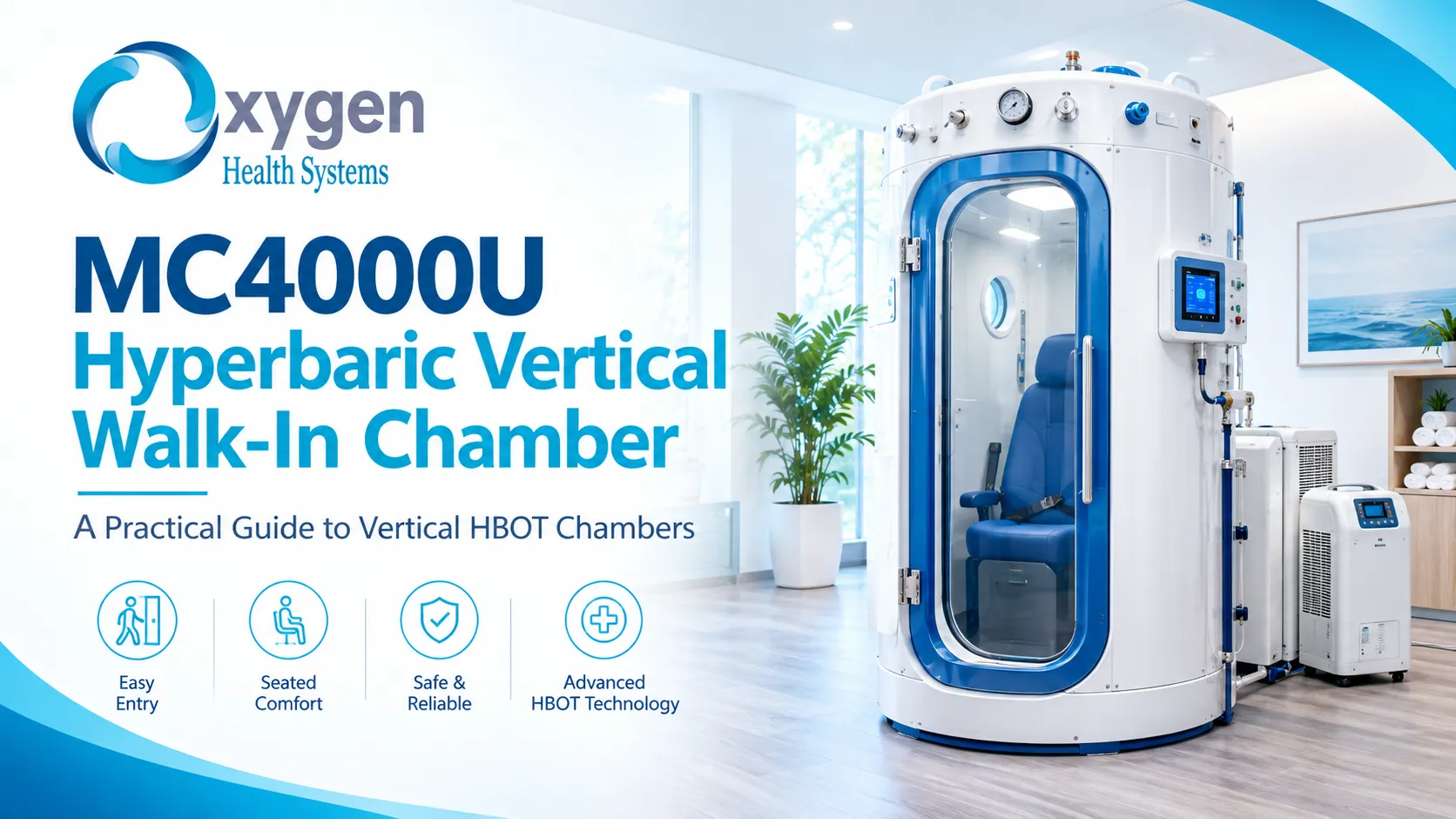
Chambers are available in sitting, reclining, and larger multiplace configurations.
A compact chamber may suit a space-limited environment, while a larger system may be designed for a clinic or specialized treatment facility. Multiplace chambers can accommodate multiple occupants and may require more extensive installation and operating arrangements.
The intended setting should guide the selection process. Buying a larger or more expensive system is not necessarily beneficial if its capabilities exceed the actual requirements.
Additional Costs Beyond the Purchase Price
The initial chamber price is only one part of the total cost of ownership.
Before buying, account for these potential expenses:
- Shipping and installation: Large or specialized equipment may involve freight, site preparation, and professional installation.
- Accessories: Oxygen delivery components, monitoring equipment, and other accessories may not be included in the base price.
- Maintenance: Seals, valves, filters, and other components may require inspection, servicing, or replacement.
- Training: Some systems require operator training and established operating procedures.
- Facility requirements: Professional installations may need suitable space, electrical capacity, ventilation, and fire-safety arrangements.
- Warranty and technical support: Review coverage, service availability, replacement-part costs, and response times.
For commercial buyers, additional expenses may include staffing, insurance, facility compliance, and operational planning. These costs should be considered before estimating the return on an investment.
Is a Home HBOT Chamber Worth the Investment?
A home hyperbaric chamber may appeal to people researching convenient access to hyperbaric technology. However, suitability depends on the intended use, the equipment's specifications, safety requirements, and the evidence supporting the proposed application.
Before purchasing a home system, consider the following questions:
- What specific purpose will the chamber serve?
- Is the chamber appropriate for that intended use?
- What pressure and oxygen delivery specifications does it offer?
- What safety features and emergency procedures are provided?
- What are the long-term maintenance and operating costs?
- What support does the manufacturer provide?
- Are its regulatory status and certifications independently verifiable?
Hyperbaric oxygen therapy is an established medical treatment for certain conditions, but many general wellness applications remain under investigation or have limited supporting evidence. A chamber should not be purchased with the expectation of guaranteed medical results.
Consult a qualified healthcare professional before considering HBOT for a medical condition, and do not substitute home equipment for prescribed treatment.
How to Compare HBOT Chamber Manufacturers
Choosing a manufacturer requires evaluating more than the advertised price. Reliable documentation, clear specifications, and ongoing support are important considerations.
Request a detailed quotation that identifies the chamber model, operating pressure, oxygen delivery configuration, included accessories, installation costs, warranty terms, and maintenance requirements.
Also ask for documentation supporting any claims about FDA clearance, authorization, or other certifications. Regulatory status can vary by model and intended use, so avoid assuming that one product's status applies to an entire product line.
Oxygen Health Systems is one resource for exploring hyperbaric oxygen chamber options for home and professional environments. When researching available systems, compare documented specifications and obtain current pricing directly from the supplier.
Conclusion
The Hyperbaric Oxygen Chambers depends on construction, pressure capability, oxygen delivery equipment, chamber size, safety features, and intended application. While soft-shell systems may offer a lower entry price, rigid chambers and professional installations can require a substantially larger investment.
The smartest approach is to compare the complete cost of ownership rather than focusing exclusively on the purchase price. Verify specifications, understand additional expenses, investigate regulatory documentation, and seek appropriate professional guidance.
With careful research, buyers can make a more informed decision about which hyperbaric chamber, if any, fits their requirements and budget.



Sign in to leave a comment.