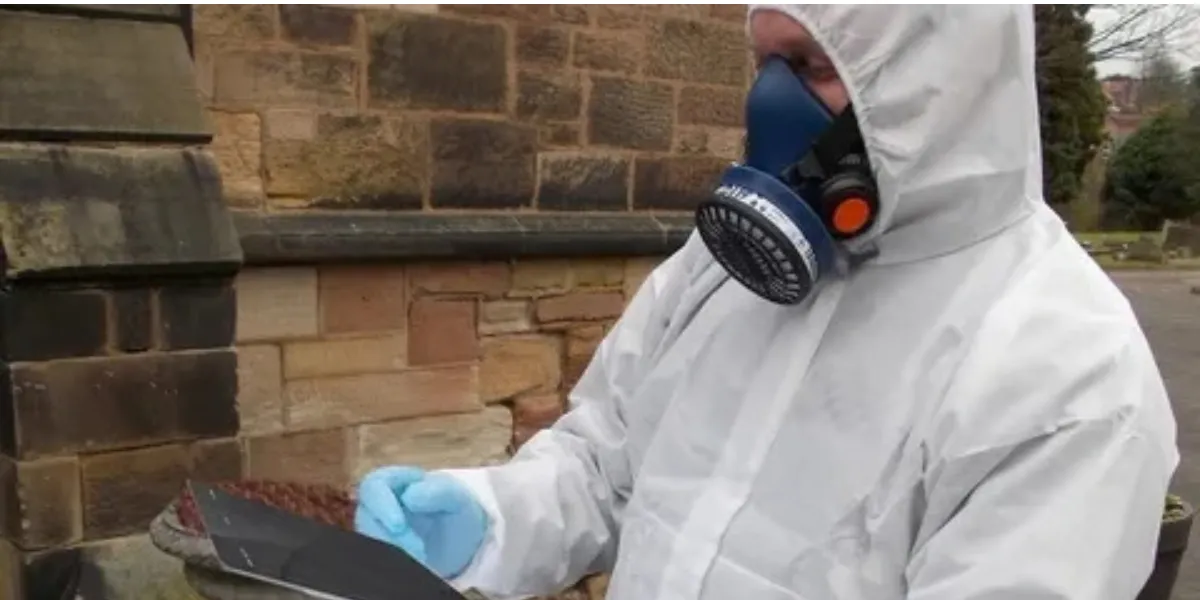

If you own an older home or are planning a renovation, you may be wondering whether asbestos testing is necessary—and, if it is, how much it will cost. Asbestos was widely used in many building products because of its strength, insulation properties, and resistance to heat. It can be found in materials such as flooring, ceiling products, insulation, siding, roofing materials, and pipe insulation.
The important thing to understand is that asbestos cannot reliably be identified just by looking at a material. According to the U.S. Environmental Protection Agency (EPA), the only way to determine whether a suspect material contains asbestos is through appropriate testing by a qualified laboratory.
For homeowners, the cost of asbestos testing is usually much more manageable than the potential cost and disruption of discovering asbestos after a remodeling project has already started. Understanding what affects the price can help you plan ahead and avoid unexpected expenses.
What Is the Average Cost of Asbestos Testing?
Asbestos testing prices can vary considerably depending on the size of your home, the number of materials that need to be sampled, your location, and the type of testing required.
Current 2026 cost information from Angi places professional residential asbestos testing at approximately $231 to $776, with an average of about $483. Another current pricing source, Thumbtack, reports a national range of approximately $255 to $579, with an average around $369. These figures demonstrate why homeowners should treat online cost estimates as general guidelines rather than guaranteed prices.
A basic inspection involving a limited number of samples may cost less, while a larger home with multiple suspect materials can cost considerably more.
What Does Asbestos Testing Include?
When you hire a professional, asbestos testing generally involves more than simply collecting a material sample.
A typical service may include:
- A visual inspection of areas containing suspect materials
- Identification of materials that may require sampling
- Collection of appropriate samples
- Laboratory analysis
- Documentation of laboratory findings
- A report explaining the test results
- Recommendations regarding the next steps when asbestos is identified
The exact services included in a testing package can vary between companies. Before scheduling an appointment, homeowners should ask what is included in the quoted price.
For example, one company may provide a price that includes several samples and laboratory analysis, while another may charge separately for each additional sample.
Why Does the Number of Samples Affect the Cost?
One of the biggest factors affecting asbestos testing costs is the number of samples that need to be collected.
A home may contain several different materials that could potentially contain asbestos. For example, you might have older floor tile in one room, textured ceiling material in another area, and insulation around pipes in a basement.
These materials may need to be evaluated separately.
EPA guidance explains that sampling should be sufficient to determine whether a particular suspect material contains asbestos. Under specific AHERA sampling requirements, multiple samples may be required from a homogeneous area depending on the material involved.
Because of this, a homeowner should not assume that paying for one sample automatically means the entire house has been tested.
Does the Size of Your Home Matter?
Yes. Larger homes may require more time to inspect, particularly if there are numerous areas containing suspect materials.
A small home with one or two easily accessible materials may require a relatively straightforward inspection. A larger property could involve multiple floors, rooms, outbuildings, or difficult-to-access areas.
The condition and accessibility of the material can also affect the amount of work required.
For example, an inspector may need additional time to safely access materials located in a crawl space, attic, basement, or other restricted area.
When requesting a quote, provide as much information as possible about your home. The home's age, planned renovation work, suspected materials, and areas of concern can help an asbestos professional determine what type of inspection may be appropriate.
What Types of Asbestos Testing Are Available?
The type of testing you need can also affect the overall price.
Bulk Material Testing
Bulk testing involves collecting a physical sample of a suspect building material and having it analyzed by a laboratory.
This is commonly used when a homeowner wants to know whether a particular material—such as flooring, insulation, or ceiling material—contains asbestos.
For many homeowners, this is the most relevant type of testing when preparing for renovation work.
Air Testing
Air testing is different from bulk material testing. Instead of testing the material itself, air samples are collected and analyzed for airborne asbestos fibers.
Air testing may be appropriate in certain circumstances, such as when evaluating potential contamination or assessing conditions after asbestos-related work.
Current consumer cost estimates place air testing at roughly $200–$800, although actual pricing can vary based on the project and location.
Homeowners should discuss their specific situation with a qualified professional before assuming that air testing is necessary.
Dust Testing
Dust or debris testing may sometimes be used when there is concern that asbestos-containing material has been disturbed and fibers or contaminated dust may have spread.
The appropriate testing method depends on the circumstances, so homeowners should ask a qualified professional what type of testing is suitable for their situation.
When Should a Homeowner Have Asbestos Testing Done?
Not every home needs to be tested simply because it is old.
The EPA recommends testing suspect materials when they are damaged or when planned renovation work could disturb them.
Testing may be particularly important before projects such as:
- Removing old flooring
- Remodeling bathrooms or kitchens
- Replacing ceilings
- Removing textured ceiling materials
- Opening walls
- Replacing insulation
- Renovating basements or attics
- Removing old siding
- Performing demolition
- Installing new electrical or plumbing systems
If an older material will remain completely undisturbed and is in good condition, testing may not always be necessary. The EPA notes that asbestos-containing materials that remain in good condition and are not disturbed generally do not pose the same risk as damaged or disturbed materials.
Can You Test for Asbestos Yourself?
DIY asbestos testing kits may be available, but homeowners should understand that collecting a sample can disturb a potentially hazardous material.
The EPA recommends that samples be collected by properly trained and accredited asbestos professionals. Improper sampling can potentially release fibers into the air and create an exposure concern.
For this reason, saving a little money by collecting a sample yourself may not be worth the potential safety concerns.
If you suspect that a material contains asbestos, avoid cutting, drilling, sanding, scraping, breaking, or otherwise disturbing it until you know what you are dealing with.
What Happens If the Test Comes Back Positive?
A positive asbestos test does not necessarily mean that the material must immediately be removed.
The appropriate response depends on the material's condition, location, and whether it is likely to be disturbed.
In some situations, leaving an intact asbestos-containing material in place and maintaining it properly may be appropriate. In other situations—particularly when material is damaged or renovation work will disturb it—repair, encapsulation, or professional removal may be considered.
The EPA recommends that repair or removal of asbestos-containing material be handled by appropriately trained and qualified professionals.
Importantly, testing costs and asbestos removal costs are separate expenses. If asbestos is identified, removal or remediation can significantly increase the total project budget.
How Can Homeowners Keep Testing Costs Under Control?
There are several practical ways to plan for asbestos testing without sacrificing safety.
1. Explain Your Project Clearly
Tell the inspector why you want the testing performed. If you are remodeling a kitchen, replacing flooring, or opening walls, explain exactly what work you plan to do.
This helps the professional determine which materials may need attention.
2. Ask What the Quote Includes
Before hiring an inspector, ask whether the quoted price includes:
- Inspection time
- Sample collection
- Laboratory analysis
- A written report
- Travel charges
- Additional samples
- Rush laboratory fees, if applicable
Getting these details in writing can prevent surprises later.
3. Ask About Additional Sample Costs
If additional suspect materials are discovered during the inspection, ask how much each additional sample will cost.
This is particularly important for larger or older homes.
4. Don't Choose a Provider Based Only on Price
The cheapest quote is not necessarily the most appropriate option for asbestos testing.
Professional sampling requires care because disturbing suspect materials can potentially release fibers. EPA guidance specifically recommends using trained and accredited professionals for sampling.
Look for professionals who can explain their qualifications, sampling process, laboratory analysis, and reporting procedures.
How to Find Professional Asbestos Testing
If you're searching online for asbestos testing near me, compare several local providers before scheduling an inspection.
Ask questions about their experience, qualifications, laboratory procedures, pricing, and what is included in their service. You should also find out whether your state or local jurisdiction has specific requirements for asbestos-related work.
Remember that inspection and removal are not necessarily the same service. The EPA recommends avoiding conflicts of interest when possible—for example, using separate companies for assessment and removal can help provide an independent evaluation of whether removal is needed.
Final Thoughts
The cost of asbestos testing depends on several factors, including your home's size, the number and type of materials being tested, accessibility, laboratory fees, location, and whether additional testing is necessary.
As a general 2026 guideline, homeowners can expect professional asbestos testing to commonly fall within the $231–$776 range, although individual quotes may be lower or higher depending on the project.
More importantly, homeowners should view asbestos testing as a preventive step rather than simply another remodeling expense. Knowing what materials contain asbestos before starting renovation work can help you make informed decisions, avoid accidentally disturbing suspect materials, and plan your project more responsibly.
If you own an older home and are planning renovation or have concerns about damaged building materials, consider speaking with a qualified asbestos professional about whether testing is appropriate for your situation.






















Sign in to leave a comment.