


If you have typed "how much is my house worth" into Google at two in the morning, you are not alone. It is usually one of two moments that brings people to that search bar. Either you are thinking about selling and want a rough number before you get an estate agent round, or you have just remortgaged and you are curious whether your home has quietly gone up in value while you were busy living in it.
Either way, the honest answer is that a house valuation is part science and part judgement call. There is no single magic number that everyone agrees on. What you get depends on who is doing the valuing, why they are doing it, and what tools they are using. This guide walks through what a valuation actually is, the different types you will come across, what really moves the number up or down, and how to get one that you can actually trust.
What Is a House Valuation, Really?
At its simplest, a house valuation is an estimate of what your property would sell for on the open market at a given point in time. That last part matters more than people realise. A valuation is not a fixed price tag, it is a snapshot. Change the interest rate environment, the number of buyers looking in your area, or even the season, and that same house can be worth a different amount six months later.
Valuations get used for a surprising number of reasons beyond just selling up. Lenders want one before they hand over a mortgage. Solicitors need one for probate or divorce settlements. Some homeowners simply want to know their number for insurance purposes or before they start an extension, so they can weigh up whether the work will actually add value.
The Different Types of Valuation You Will Come Across
This is where a lot of confusion starts, because "valuation" gets used loosely to describe several quite different things.
Online instant valuations are the quickest and easiest to get. You type in your postcode and a few property details, and an algorithm spits out a number based on recent sales in your area, Land Registry data, and general market trends. They are useful as a starting point but they cannot see inside your house, so they miss the details that actually change a sale price.
Estate agent valuations involve someone walking through your home, taking in the condition, the layout, any recent improvements, and comparing it against similar properties they have sold nearby. These are more accurate than online tools because a real person is applying local knowledge, though it is worth remembering that some agents can be a little generous with their estimate to win your business.
Mortgage valuations are done for the lender, not for you. A surveyor checks that the property is worth roughly what you are paying for it and that there is nothing structurally alarming enough to put the lender's money at risk. It is a fairly brief inspection and the report rarely gets shared with the buyer in any useful detail.
RICS valuations, carried out by a chartered surveyor, are the most thorough and the ones courts, solicitors, and lenders take seriously for formal purposes such as probate, shared ownership staircasing, or Help to Buy repayments. If you have ever wondered whether a mortgage valuation and a proper survey are the same thing, they are not, and the difference matters more than most buyers realise before it costs them money. Our homebuyer survey guide for Liverpool buyers explains exactly where the lines are drawn.
What Actually Moves the Number
There is a checklist that most valuers work through, whether they realise it or not.
Location comes first, and not just in the broad "which town" sense. The specific street, whether it backs onto a busy road, proximity to good schools, and even which side of a postcode boundary you sit on can shift a valuation by tens of thousands of pounds.
Size and layout matter, but not always in the way people expect. Two houses with identical square footage can be valued differently if one has an awkward layout with a bedroom you can only reach through another bedroom, while the other flows sensibly.
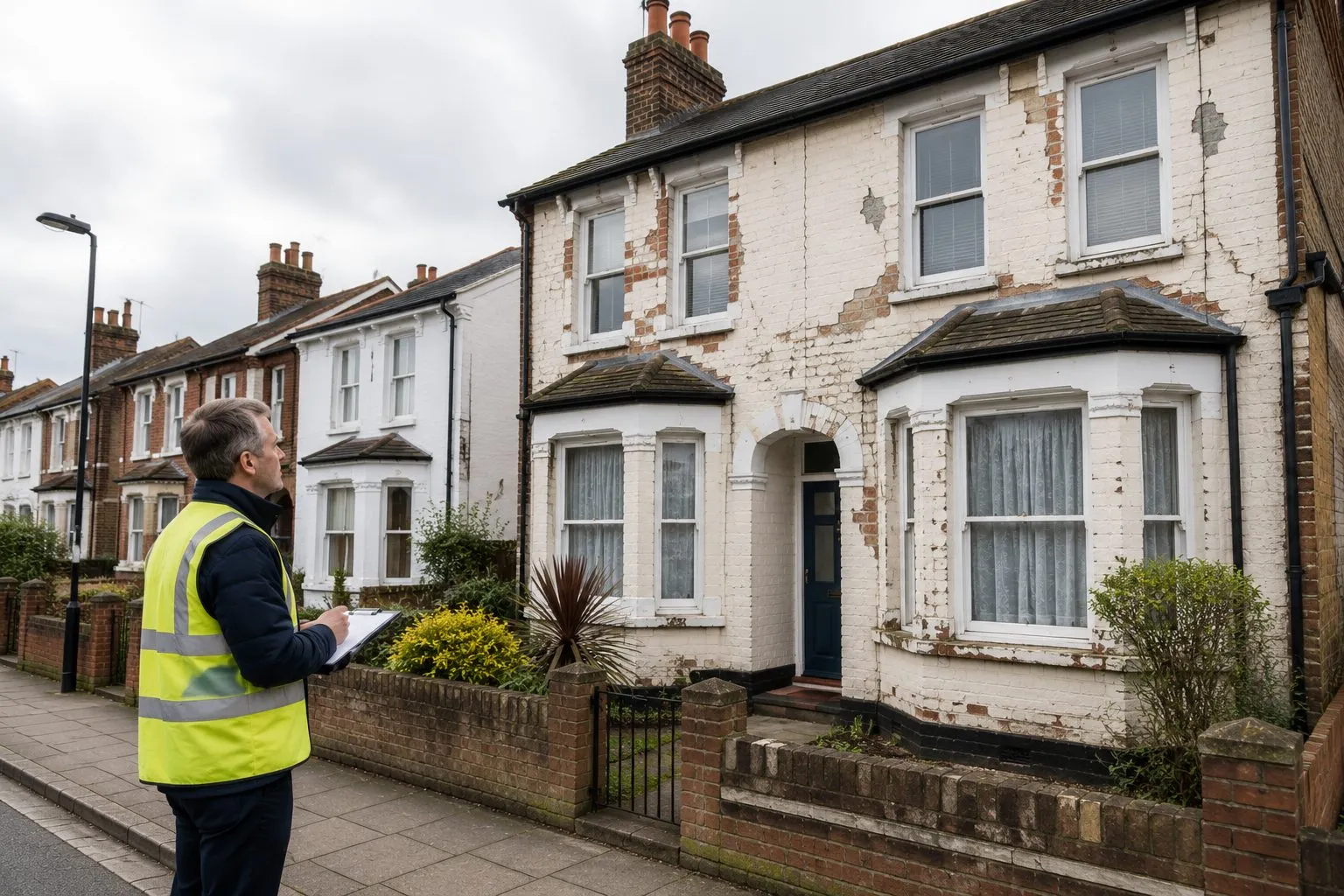
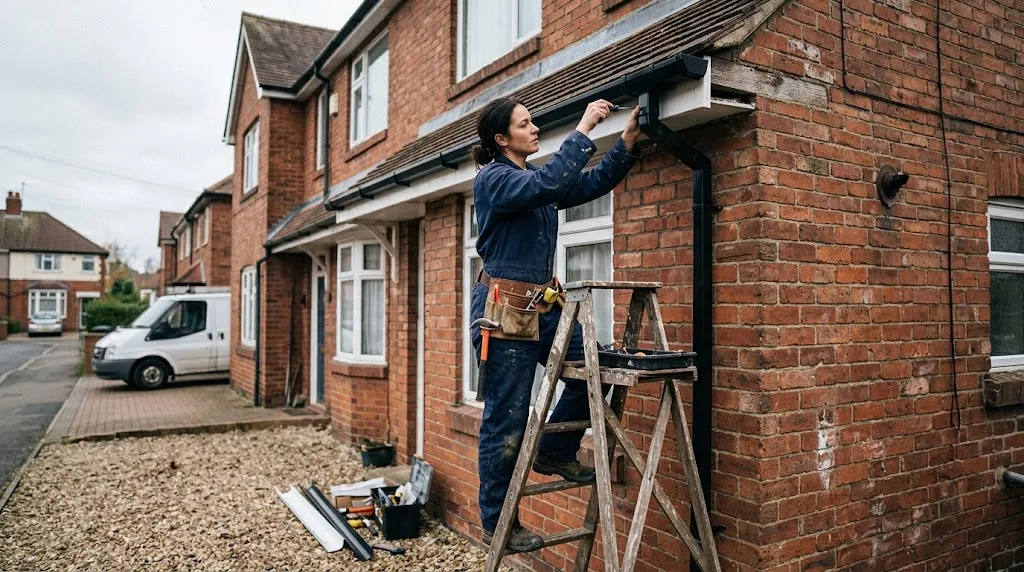
Condition is often underestimated. A tired kitchen or an outdated bathroom will not sink your valuation on its own, but structural issues will. Damp, subsidence, roof problems, or old wiring get noticed quickly by anyone doing a proper inspection, and they tend to knock far more off the price than the cost of fixing them would suggest. This is exactly the kind of thing a structural engineer picks up before it becomes a bigger and more expensive problem, and it is worth understanding what our structural engineering services actually check for if you suspect something is not quite right with the building.
Comparable sales, often shortened to "comps" in the trade, are the backbone of most valuations. Valuers look at what similar properties nearby have actually sold for in recent months, not what they were listed for, because asking prices and selling prices are frequently two different things.
Market conditions round out the picture. Interest rates, buyer demand, and how many similar homes are currently for sale in your area all shape what a realistic figure looks like right now, as opposed to what it might have looked like a year ago.
Is an Online Valuation Actually Accurate?

Short answer, sometimes. Online tools are genuinely useful for getting a ballpark figure quickly, and they are free, which makes them a sensible first step. The problem is they work from data, not from actually seeing your house. They cannot tell that you have knocked through into an open plan kitchen, or that your loft conversion added a proper bedroom rather than a box room, or that the house next door to your comparable sale had a leaking roof that dragged its price down unfairly.
Treat an online figure as a starting point rather than a final answer. If you are seriously considering selling, remortgaging, or need a valuation for legal reasons, it is worth getting an in person assessment to confirm or correct that initial number.
How Long Does a House Valuation Take?
An online instant valuation takes seconds. An estate agent visit usually takes twenty to forty minutes on site, with the written figure following within a day or two. A full RICS valuation report, given the level of detail involved, typically takes a few days from the inspection to the finished document landing in your inbox.
Preparing Your Home for a Valuation
You cannot change your location or your square footage on the morning of a valuation, but there is still plenty you can do to make sure the number reflects your home fairly.
Sort out the obvious clutter and give rooms a proper clean. It sounds superficial, but a tidy, well presented home genuinely helps a valuer see the space properly rather than getting distracted by mess.
Gather any paperwork on improvements you have made. If you have had a new boiler fitted, added double glazing, or completed a loft conversion with the right building control sign off, have the certificates ready. It is proof rather than just a claim.
Fix small, cheap problems before the visit. A dripping tap, a cracked tile, or a door that will not close properly are easy wins that stop a valuer's attention drifting toward maintenance issues instead of the property's strengths.
If you are aware of anything structural, whether that is a hairline crack that has been there for years or something you have only recently noticed, it is worth having a professional look at it beforehand rather than let it come up as a surprise during the visit. Understanding the condition of the building itself, which our residential building surveying team deals with day to day across Merseyside and the wider North West, gives you a much clearer picture before anyone puts a number on your home.
Common Questions About House Valuation
How is a house valued?
By weighing up location, size, condition, layout, and recent comparable sales nearby, then adjusting for current market conditions.
What adds the most value to a house?
Well executed extensions, modernised kitchens and bathrooms, improved energy efficiency, and simply keeping the property well maintained tend to have the biggest impact.
Do estate agents overvalue houses?
Occasionally, particularly when they are competing for your instruction. It is sensible to get more than one opinion and compare them against actual sold prices in your area rather than asking prices.
Is a house valuation the same as a survey?
No. A valuation tells you what a property is worth. A survey tells you what condition it is in. They serve different purposes and one does not replace the other.
Getting a Number You Can Actually Rely On
A house valuation is only as good as the information and expertise behind it. Online tools are a fine starting point, an estate agent gives you a market informed opinion, and a RICS surveyor gives you the most rigorous and defensible figure of the three. If you are planning to sell, remortgage, or simply want to understand your property properly before making a decision, getting the right type of valuation for your situation will save you time, stress, and quite possibly a fair amount of money along the way.
























Sign in to leave a comment.