

A bright, comfortable office can influence how people experience their workplace every day. Natural light office glass is one practical way to bring more daylight into interior areas while maintaining a professional and modern appearance. Glass can help daylight move between rooms that might otherwise depend heavily on artificial lighting. Properly planned glazing can also connect employees with outdoor views, make interiors feel more open, and support a more comfortable visual environment.
Why Natural Light Matters in Modern Office Design
Natural light can make an office feel more welcoming than a space that relies entirely on overhead lighting. Daylight can brighten surfaces, highlight interior finishes, and create a stronger connection with the outside. Workplace design guidance recommends maximizing access to daylight and views while managing glare and excessive heat gain.
The visual effect can be especially noticeable in offices with limited exterior windows. Instead of allowing solid walls to stop daylight at the perimeter, strategically placed interior glazing can help distribute available light farther into the floor plan. This creates a more connected appearance without requiring every room to have a direct exterior window.
How Commercial Glass Partitions Improve Daylight Flow
Commercial glass partitions can separate departments, meeting rooms, offices, and reception areas without creating the same visual barrier as traditional opaque walls. Clear or appropriately selected glazing allows daylight to pass through interior spaces, helping rooms feel less enclosed.
This approach is useful for businesses that need dedicated rooms but still want an open visual environment. A conference room, private office, or manager's workspace can have defined boundaries while maintaining a sense of connection with the surrounding workplace. Guidance from WBDG specifically identifies shared daylight through glazed interior walls as one strategy for improving access to natural light.
Glass partitions can also make smaller offices appear more spacious. Because the eye can see beyond the partition, the overall workspace may feel deeper and less crowded.
Office Glass Walls Create an Open Professional Appearance
Office glass walls can give a workplace a clean and contemporary appearance while supporting practical space planning. Full-height glazing can visually connect different areas, making the office easier to navigate and creating a consistent design throughout the interior.
For example, a company may use glass walls around conference rooms while keeping the reception and collaboration areas visually connected. Frosted bands, decorative films, or partially opaque glass can be added where privacy is important without completely blocking daylight.
This balance is important because an effective office should not simply maximize transparency. Privacy, acoustics, glare, security, and the function of each room also need to be considered during planning.
The Benefits of Natural Light in Office Spaces
Understanding The Benefits of Natural Light in Office Spaces involves more than making a workplace look attractive. Daylight and outdoor views can contribute to a more comfortable and engaging indoor environment. Government workplace guidance notes that access to daylight and views can support occupant comfort and well-being, while appropriate daylighting can also reduce dependence on electric lighting.
Natural light can also change how colors, furniture, flooring, and architectural details appear throughout the day. A well-designed glass layout allows these elements to work together instead of making rooms feel visually separated.
However, more daylight does not automatically mean better daylight. Direct sunlight can create glare, reflections on computer screens, and unwanted heat. Effective design therefore combines glazing with shading, blinds, appropriate glass selection, and lighting controls when necessary.
Glass Design Choices That Balance Light and Privacy
The type of glass selected can significantly affect the final result. Clear glass provides maximum visual connection and daylight transmission, making it suitable for areas where openness is a priority. Frosted or patterned glass offers more privacy while still allowing some light to enter.
For conference rooms, executive offices, healthcare-related workplaces, or areas where sensitive discussions take place, privacy glazing can be especially useful. Another option is to combine clear and frosted sections so that daylight enters above or around the main privacy zone.
Energy performance should also be considered, particularly when selecting exterior glazing. Factors such as visible light transmission, U-factor, and solar heat gain can influence how much daylight enters while helping control heat transfer.
Where Office Glass Works Best for Better Daylight
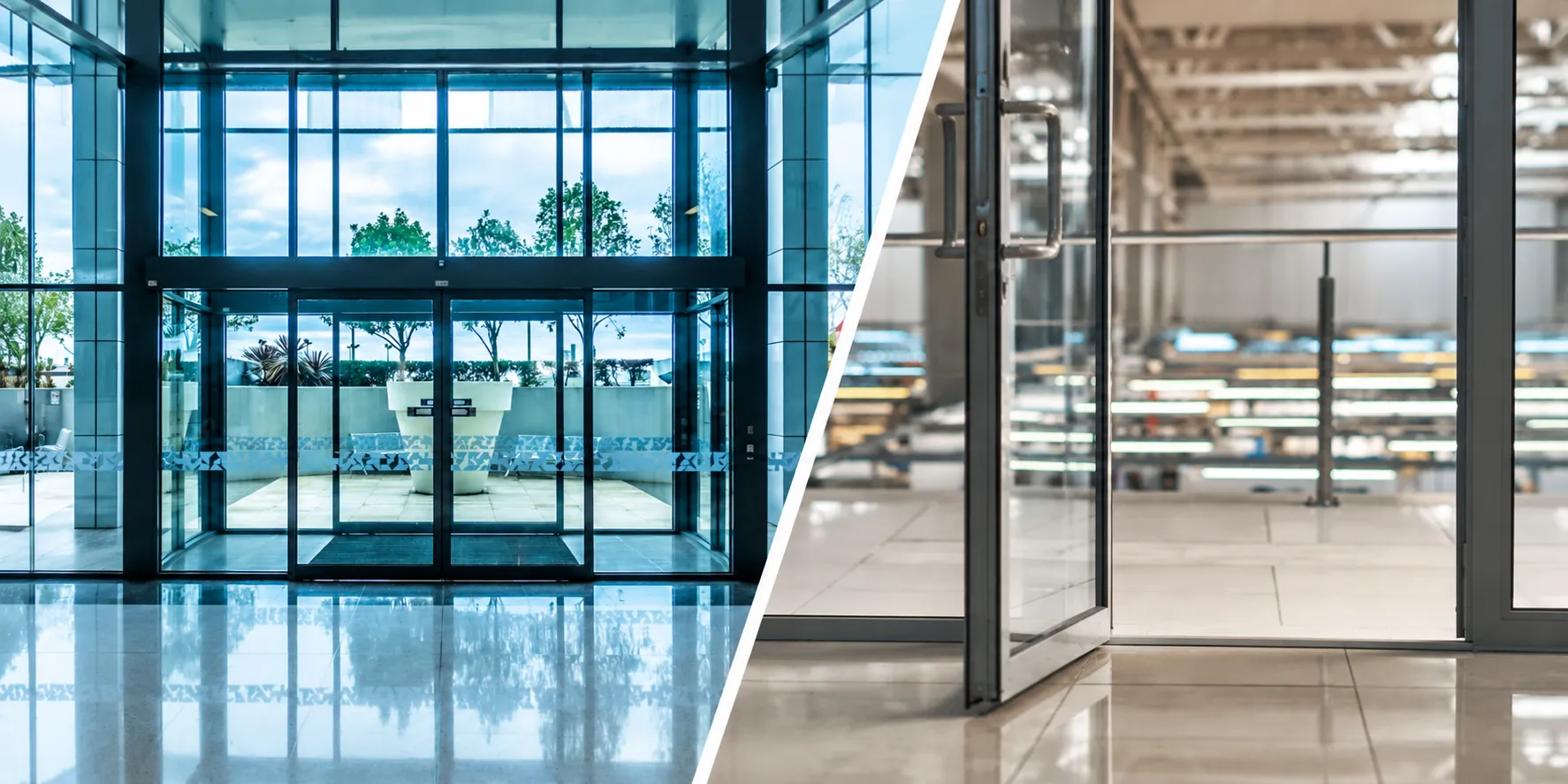
Glass can be incorporated into many parts of an office rather than being limited to one specific application. Interior office fronts, conference rooms, meeting spaces, reception areas, corridors, and collaboration rooms can all benefit from thoughtful glazing.
Interior rooms located away from exterior windows can be particularly suitable for glass walls because glazing can help share available daylight with spaces that would otherwise receive little natural light. GSA guidance similarly recommends using interior glazing for enclosed spaces to maximize access to daylight and views.
The best placement depends on the building layout, window locations, room functions, privacy requirements, and lighting conditions. A professional glass company can help determine where glazing will provide the most practical value.
Make a Workspace Feel Larger Without Removing Walls
One of the visual advantages of office glazing is its ability to create separation without making a workplace feel divided. Solid walls can make smaller rooms appear closed off, while glass maintains sightlines between areas.
This can be particularly valuable when a business needs several private rooms but wants the overall office to retain an open character. Employees can still recognize activity around them, while designated rooms provide the structure needed for meetings, focused work, or management functions.
At Tims Glass and Mirror, thoughtful glass solutions can help businesses combine functional separation with a brighter, more contemporary workplace appearance.
Plan Glass Around Comfort, Glare, and Acoustics
A successful glass installation should consider more than appearance. Computer monitors may reflect direct sunlight, and excessive brightness can cause visual discomfort. Shading, blinds, proper workstation orientation, and suitable glass specifications can help address these concerns.
Sound control is another important consideration. Glass can create excellent visual separation, but offices that require confidential conversations may need glazing and framing systems selected with acoustic performance in mind. Meeting rooms and private offices should therefore be designed according to both visual and acoustic requirements.
Create a Brighter Workspace With Smart Glass Planning
Natural light office glass can be a practical design feature for businesses that want a workplace that feels brighter, more open, and professionally finished. From commercial glass partitions to office glass walls, interior glazing can help distribute daylight while maintaining useful divisions between work areas.
The strongest results come from treating glass as part of the complete office design rather than simply installing as much transparent material as possible. Daylight, privacy, acoustics, glare control, energy performance, and employee comfort should all be considered together. When these factors are balanced, glass can improve both the appearance and everyday experience of a workspace.
Frequently Asked Questions About Office Glass
1. What is natural light office glass used for?
Natural light office glass is commonly used for interior partitions, office fronts, conference rooms, and other areas where businesses want to separate spaces while allowing daylight and visibility to pass between rooms.
2. Can office glass provide privacy and natural light?
Yes. Frosted, textured, patterned, or partially treated glass can provide visual privacy while still allowing daylight into the room. The appropriate option depends on the required level of privacy.
3. Are commercial glass partitions suitable for small offices?
Yes. Commercial glass partitions can be particularly useful in smaller offices because they define separate areas without creating the same enclosed visual effect as solid walls.
4. Do office glass walls cause glare?
They can contribute to glare if direct sunlight reaches workstations or reflective surfaces. Proper workstation placement, shading, blinds, and suitable glass selection can help control this issue.
5. How can businesses choose the right office glass?
Businesses should consider daylight requirements, privacy, acoustics, safety, energy performance, room function, and overall design. A qualified glass professional can evaluate the space and recommend an appropriate glazing solution.
























Sign in to leave a comment.