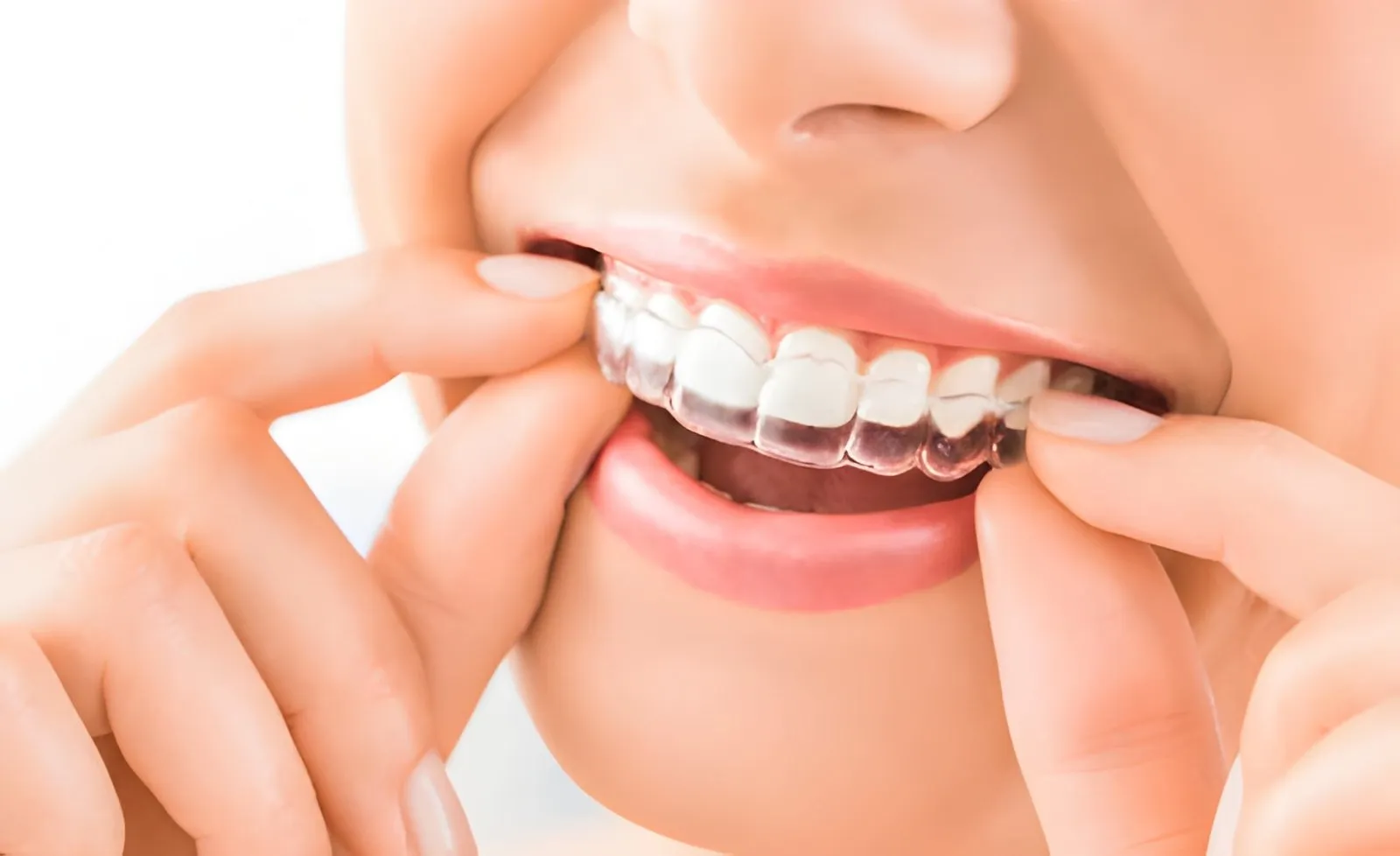

Night guards are oral appliances designed to help protect teeth from excessive pressure and contact, particularly when a person clenches or grinds the teeth during sleep. Repeated grinding can place stress on the teeth, enamel, jaw muscles, and surrounding structures. night guards may provide a protective barrier between the upper and lower teeth, helping reduce direct contact while supporting greater comfort. Understanding their purpose, benefits, care requirements, and suitability can help patients make informed decisions about protecting their smiles.
Understanding Night Guards
Night guards are typically worn over the teeth during sleep. They create a protective layer between the upper and lower dental arches, reducing the amount of direct tooth contact that can occur during clenching or grinding. While they do not necessarily stop every episode of grinding, they can help reduce the effects of repeated pressure. Their design and fit can vary depending on the patient's dental needs, oral health, and level of nighttime grinding.
Some people may grind their teeth without realizing it because the habit often occurs while they are asleep. A patient may only become aware of the problem after noticing morning jaw soreness, tooth sensitivity, headaches, or visible wear on the teeth. A dental evaluation can help identify signs associated with grinding and determine whether a protective appliance may be appropriate. Professional assessment is particularly useful when symptoms are persistent or becoming more noticeable.
Protecting Teeth From Grinding
One of the primary purposes of a night guard is to reduce the impact of tooth to tooth contact. Repeated grinding can gradually wear down enamel and may contribute to chipped, flattened, or sensitive teeth. A properly fitted appliance can create a cushioning barrier that helps protect the tooth surfaces from direct contact. This protection can be particularly valuable for patients who experience frequent or intense nighttime clenching.
Protecting the teeth early can also help reduce the possibility of additional dental complications. Significant tooth wear may eventually affect the shape and function of the teeth, potentially requiring restorative care. A night guard does not repair existing damage, but it may help protect remaining tooth structure from continued mechanical stress. Regular dental examinations can help monitor changes and determine whether additional treatment is needed.
Supporting Jaw Comfort
Teeth grinding can place strain on the muscles and joints involved in chewing. Some patients may wake with tightness or soreness around the jaw after a night of clenching. Others may experience discomfort while chewing or opening the mouth. A night guard may help by reducing direct tooth contact and changing how pressure is distributed during nighttime activity. However, persistent jaw pain should always receive professional evaluation rather than being managed solely with an appliance.
Jaw discomfort can have several possible causes, so determining the underlying issue is important. A dental professional can evaluate the teeth, bite, jaw movement, and surrounding structures to better understand the patient's symptoms. If grinding appears to contribute to the problem, a suitable night guard may become part of the overall management approach. Additional recommendations may be provided when symptoms involve more complex jaw or muscle concerns.
Signs That a Night Guard May Be Helpful
Certain symptoms may suggest that nighttime grinding or clenching is affecting the teeth. Patients may notice tooth sensitivity, small chips, flattened edges, morning jaw soreness, or recurring tension around the face. Some people may also wake with headaches or notice increased discomfort when chewing. These signs do not automatically confirm grinding, but they can indicate that a dental examination may be worthwhile.
Another possible sign is visible wear on the biting surfaces of the teeth. Over time, repeated pressure can change the natural shape of the enamel. Dental professionals can often identify patterns of wear during routine examinations and ask about symptoms or nighttime habits. Early attention can help patients understand what may be causing the changes and whether protective measures such as a night guard could be beneficial.
The Importance of Proper Fit
A night guard needs to fit comfortably and securely to provide useful protection. An appliance that is poorly fitted may feel uncomfortable, move during sleep, or interfere with normal biting. Patients may also be less likely to wear an appliance consistently if it causes irritation or discomfort. A professional fitting can help ensure that the appliance is designed around the patient's dental structure and intended use.
A properly fitted appliance can also make it easier for patients to develop a consistent nighttime routine. Comfort matters because protective benefits depend largely on regular use. If a night guard feels excessively tight, causes unusual soreness, or no longer fits properly, the patient should seek professional guidance. Dental changes, tooth movement, restorations, and appliance wear can all affect how an existing night guard fits over time.
Custom and Store Bought Options
Night guards are available in different forms, including professionally made appliances and products purchased without a dental fitting. Store bought options may appear convenient, but they may not provide the same level of individualized fit as a professionally designed appliance. Patients with significant grinding, dental restorations, bite concerns, or persistent discomfort may benefit from discussing their needs with a dental professional before choosing an appliance.
A custom night guard is created using information about the patient's teeth and bite. This allows the appliance to be designed for greater precision and comfort. The appropriate material and design can vary according to the patient's needs. Rather than choosing an appliance based only on price or convenience, patients should consider fit, durability, comfort, and professional recommendations when deciding which type may be suitable.
Night Guards and Oral Hygiene
Wearing a night guard makes proper oral hygiene especially important. Patients should brush and floss their teeth as recommended before placing the appliance in the mouth. The night guard itself should also be cleaned regularly according to the care instructions provided. Keeping both the teeth and appliance clean can help reduce the buildup of bacteria, plaque, and unpleasant odors.
After use, the appliance should generally be rinsed and stored in a clean, ventilated case when appropriate. Excessive heat can affect certain materials, so patients should follow the manufacturer's or dental professional's cleaning instructions. The appliance should also be inspected regularly for cracks, rough edges, or other signs of deterioration. Proper maintenance can help extend its useful life and support a cleaner oral environment.
Protecting Existing Dental Work
Patients with crowns, bridges, fillings, veneers, or other dental restorations may have additional reasons to discuss nighttime grinding with a dental professional. Excessive pressure can affect natural teeth as well as certain types of restorative work. A properly selected night guard may help reduce mechanical stress and provide an added layer of protection for the smile.
However, patients should not assume that every night guard is appropriate for every restoration. The design of an appliance may need to account for the location and type of dental work present. A professional examination can help determine whether a particular appliance is suitable. This is especially important for patients who have recently received restorative treatment or have experienced changes in their bite.
Night Guards for Long Term Protection
Grinding and clenching can continue for extended periods if the underlying habit is not recognized. Because tooth wear can accumulate gradually, patients may not notice significant changes until damage has already developed. Using an appropriate protective appliance may help reduce the effects of repeated nighttime contact. Regular dental visits remain important because an appliance does not eliminate the need to monitor tooth and gum health.
Long term protection also involves paying attention to changes in symptoms. Increased jaw discomfort, new tooth sensitivity, broken teeth, or changes in the fit of a night guard should not be ignored. Dental professionals can examine these changes and determine whether adjustments or additional treatment are necessary. Combining an appropriate appliance with routine oral care can provide a more complete approach to protecting the smile.
Choosing the Right Night Guard
The right night guard depends on several individual factors. The severity of grinding, dental alignment, existing restorations, comfort preferences, and overall oral health may all influence the recommended design. Patients should discuss their symptoms and concerns openly during an evaluation so the dental professional can consider the most suitable option. A personalized recommendation can be more useful than selecting an appliance based solely on general product descriptions.
Patients should also consider how frequently the appliance needs to be worn and how it should be maintained. Understanding cleaning instructions, storage requirements, replacement expectations, and signs of wear can make long term use easier. Clear guidance can help patients feel more comfortable incorporating a night guard into their bedtime routine and can reduce the likelihood of avoidable problems.
When a Dental Evaluation Is Important
A night guard may provide protection, but it should not replace a professional assessment when symptoms are significant. Persistent jaw pain, severe tooth sensitivity, damaged teeth, frequent headaches, or noticeable changes in the bite may require further evaluation. These symptoms can have multiple causes, and identifying the underlying issue is important for selecting appropriate care.
A dental evaluation can also identify problems that patients may not notice themselves. Early enamel wear, small fractures, gum concerns, and changes in tooth position can sometimes develop without obvious symptoms. Regular examinations give dental professionals an opportunity to monitor these changes and recommend preventive measures when appropriate. For patients experiencing signs of grinding, discussing nighttime symptoms during a routine visit can be an important first step.
Developing Healthy Nighttime Habits
A night guard can be one part of a broader approach to oral health. Patients can support their dental well being by maintaining consistent brushing and flossing habits, attending routine dental appointments, and following professional recommendations. Paying attention to stress, sleep patterns, and daytime clenching may also help patients recognize habits that could contribute to excessive jaw tension.
Daytime awareness can be particularly useful for people who frequently clench their teeth while concentrating or feeling tense. Although nighttime grinding cannot always be consciously controlled, recognizing daytime clenching may help patients become more aware of unnecessary jaw tension. Patients with ongoing symptoms can discuss these patterns with a dental professional to determine whether additional strategies may be appropriate.
Maintaining the Night Guard
A night guard does not last indefinitely. Repeated use can gradually cause changes in the material, particularly for patients who grind heavily. Regular inspection can help identify cracks, thinning, rough edges, or changes in shape. If an appliance becomes damaged or uncomfortable, patients should avoid continuing to use it without professional advice. Replacing a worn appliance may be necessary to maintain appropriate protection and comfort.
Changes in the teeth can also affect the fit of a night guard. Dental restorations, orthodontic treatment, tooth loss, or natural changes in tooth position may cause an older appliance to fit differently. Patients should mention these changes during dental appointments. Periodic evaluation can help determine whether the current night guard remains suitable or whether a replacement should be considered.
Final Thoughts
Night guards can help protect teeth from the effects of nighttime grinding and clenching while supporting greater comfort for some patients. Proper fit, regular cleaning, consistent use, and routine dental monitoring are important for maintaining their benefits. Since grinding can affect teeth, jaw muscles, and existing dental work, professional evaluation can help determine whether a night guard is appropriate. Patients seeking guidance about protective dental appliances can consider Textbook Orthodontics when exploring information related to smile protection and long term oral health.






























Sign in to leave a comment.