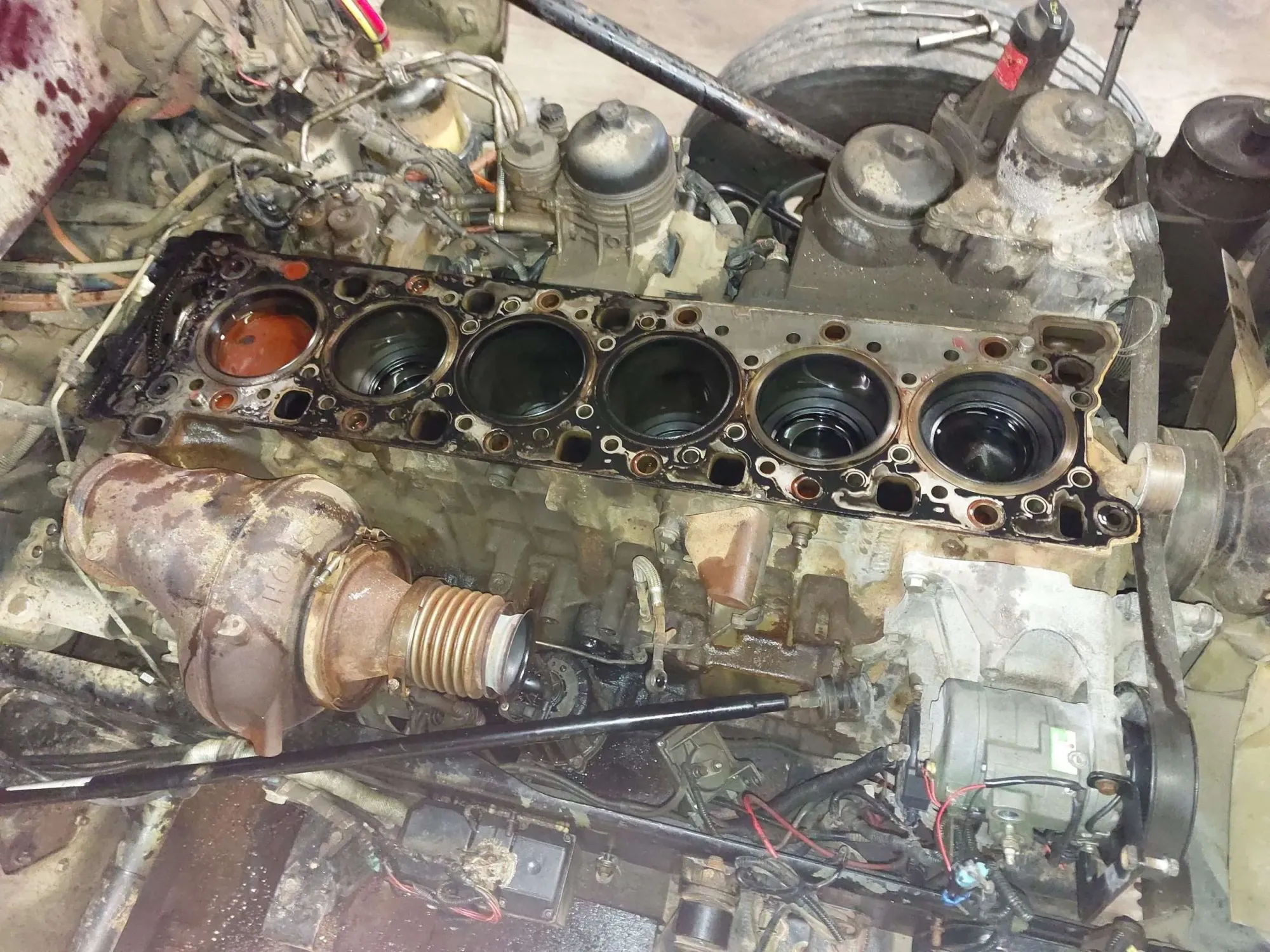

A commercial truck can travel thousands of kilometres every month while carrying heavy loads across Alberta and other parts of Canada. With long highway trips, changing weather, busy work schedules, and demanding operating conditions, regular maintenance is essential. If you are wondering how often should you service a commercial truck, there is no single answer for every vehicle. The right service interval depends on mileage, engine hours, vehicle age, workload, road conditions, and the manufacturer's recommendations. For Alberta fleet owners and owner-operators, following a consistent commercial truck maintenance schedule can help identify mechanical problems early and reduce unexpected downtime.
What Determines How Often a Commercial Truck Needs Service?
Every commercial vehicle is used differently, so its maintenance requirements can vary. A highway tractor travelling long distances may have different service needs compared with a vocational truck that spends most of its time on construction sites or in stop-and-go city traffic. Heavy loads, frequent idling, rough roads, extreme temperatures, and high mileage can all increase wear on important components. When planning heavy-duty truck maintenance, fleet owners should consider the truck's mileage, engine hours, operating environment, load weight, vehicle age, previous repair history, and manufacturer service recommendations. The manufacturer's maintenance schedule should always be the starting point, while a qualified mechanic can help adjust the schedule based on how the truck is actually being used.

When Should You Perform Routine Commercial Truck Maintenance?
Routine maintenance should be planned rather than waiting until something breaks. Regular servicing can include engine oil and filter changes, fluid checks, brake inspections, tire inspections, suspension checks, battery testing, cooling-system checks, and diagnostic testing when required. The exact interval will depend on the truck and manufacturer's recommendations. Some fleets may organize maintenance around mileage, while others also track engine hours because their trucks spend significant time idling or working at low speeds. Keeping a consistent truck service schedule makes it easier to identify upcoming maintenance and prevents small issues from being forgotten.
What Should You Check Before Every Trip?
Drivers also play an important role in commercial vehicle maintenance. Before a trip, drivers should complete the required inspection process and pay attention to the condition of brakes, tires, lights, steering components, suspension, fluid leaks, engine warning lights, and trailer connections. Alberta has specific inspection and maintenance requirements for applicable commercial vehicles, including requirements for trip inspections and maintenance programs. A few minutes spent identifying a problem before leaving the yard can be much better than discovering the same problem beside a highway several hours later. You may already know this, but a truck that "seems fine" is not the same thing as a truck that has actually been inspected.
Why Does Alberta Weather Matter for Truck Maintenance?
Alberta weather can be hard on commercial trucks. Cold winter temperatures can put additional stress on batteries, starting systems, fluids, cooling systems, belts, hoses, and other components. Before winter arrives, fleet owners should pay particular attention to battery condition, coolant protection, block heaters, belts, hoses, windshield washer systems, heating and defrosting equipment, tires, and air systems. Winter diesel truck maintenance can also help prepare vehicles for long periods of cold-weather operation. Summer brings different challenges because high temperatures and long highway runs can increase demands on the cooling system. Seasonal inspections should therefore be considered alongside the regular fleet maintenance program, especially for trucks that operate throughout Alberta.
Which Truck Components Need the Most Attention?
The engine deserves close attention because it is one of the most important and expensive systems on a commercial truck. Regular oil and filter service, coolant checks, leak inspections, and monitoring for unusual noises or warning lights can help identify developing problems. Symptoms such as overheating, excessive smoke, unusual engine sounds, or loss of power should not be ignored because they may indicate a developing diesel engine problem. Brakes are another critical area. Air pressure problems, unusual braking behaviour, warning indicators, or visible damage should be investigated promptly. Tires and suspension components also experience significant stress, particularly on heavily loaded trucks and vehicles travelling over rough roads. Electrical systems deserve attention as well because modern trucks depend on sensors, electronic controls, batteries, alternators, and other electrical components.
Where Should Fleet Maintenance Be Performed?
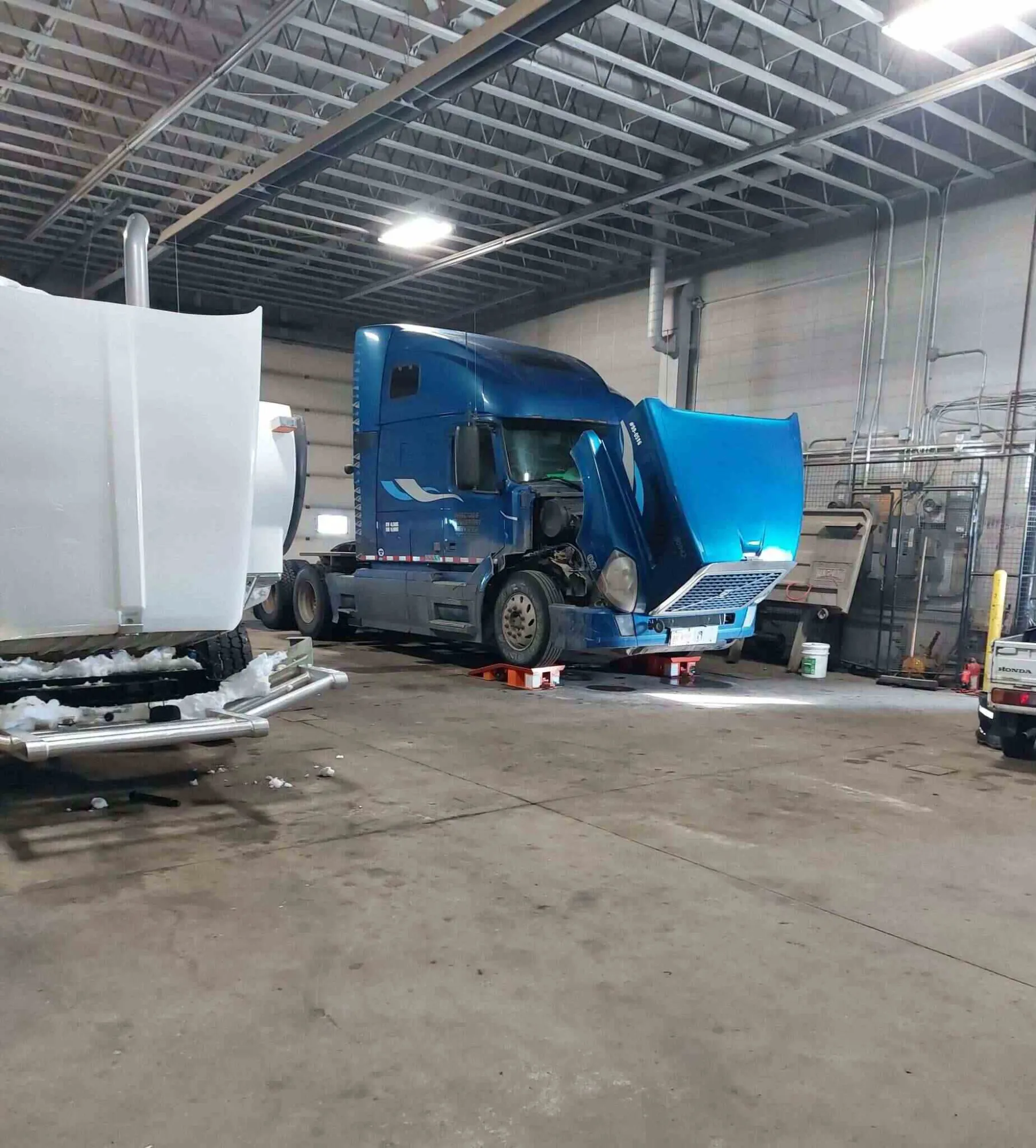
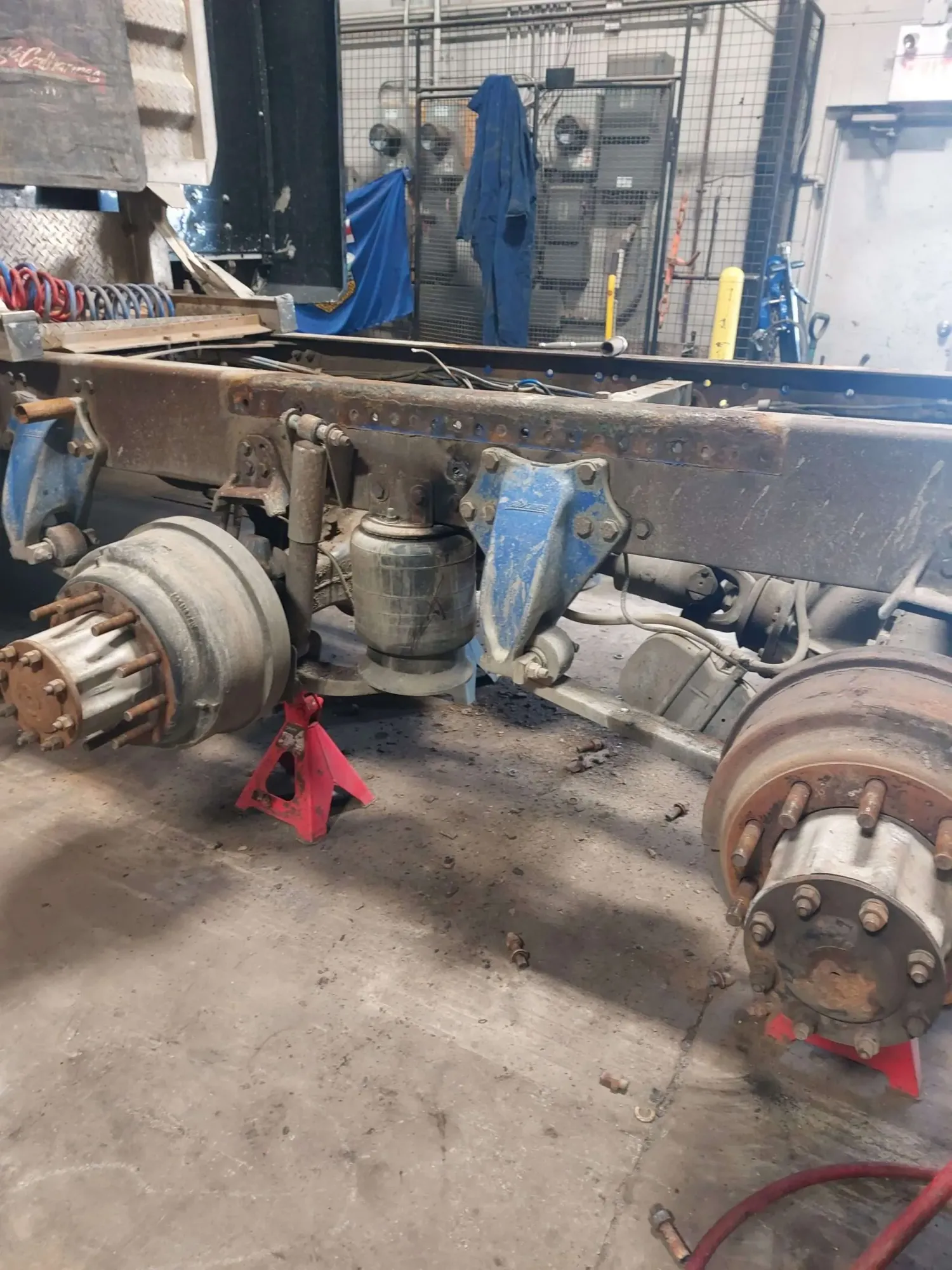
Commercial truck maintenance can be completed at a heavy-duty repair shop, at a fleet's own facility, or through a mobile repair service when the work is suitable for on-site servicing. Mobile maintenance can be useful for fleets that have several vehicles operating from the same location or when moving a truck to a repair facility would create unnecessary downtime. A mobile technician may be able to complete suitable routine maintenance, diagnostics, and repairs directly at a fleet yard or roadside location. More extensive mechanical work, such as major engine or transmission repairs, may require a fully equipped repair facility. For Edmonton-area fleets, SRB Equipment provides heavy-duty truck and trailer repair, mobile service, routine maintenance, diagnostics, engine repair, and other commercial vehicle services.
When Should You Bring a Truck in for Immediate Inspection?
Not every mechanical problem should wait for the next scheduled service. A truck should be inspected promptly if it develops symptoms such as loss of engine power, overheating, unusual engine noises, excessive smoke, fluid leaks, strong vibrations, repeated warning lights, starting difficulties, brake problems, air-pressure issues, steering problems, or unusual fuel consumption. A small mechanical issue can sometimes develop into a much larger repair when a truck continues operating under heavy loads. If a vehicle has a serious mechanical problem or is unsafe to operate, it should be taken out of service until the issue has been properly assessed and repaired.
What About CVIP and Commercial Vehicle Inspections?
Routine maintenance and regulatory inspections are different parts of responsible fleet management. Alberta requires applicable commercial vehicles to have a valid inspection certificate and decal, with annual commercial inspections applying to specified trucks, truck tractors, trailers, semi-trailers, and combinations depending on factors such as registered weight and operating conditions. A CVIP should therefore be considered part of an overall maintenance strategy rather than a replacement for regular servicing. Alberta also requires applicable National Safety Code carriers to establish and implement written safety and maintenance programs. Keeping service and inspection records organized can make it easier for fleet managers to monitor vehicle condition and identify recurring problems.
How Can Fleet Owners Build a Better Maintenance Schedule?
Creating a useful fleet truck maintenance system does not have to be complicated. Start by keeping a maintenance record for every truck and recording mileage, engine hours where applicable, service dates, repairs completed, parts replaced, inspection results, and upcoming maintenance requirements. This information can help fleet managers understand how individual trucks are performing over time. For example, if the same vehicle repeatedly develops cooling-system, electrical, brake, or suspension problems, the maintenance history gives the mechanic useful information for finding the underlying cause. A well-organized maintenance record can also help fleet owners plan repairs instead of reacting to every problem as an emergency.
How Can Regular Maintenance Save a Fleet Money?
Preventive maintenance cannot eliminate every breakdown, but it can help identify worn or failing components before they create larger problems. Regular commercial truck servicing can support better vehicle availability, reduce unexpected downtime, improve maintenance planning, and help extend the useful life of important components. For a fleet operator, the cost of a breakdown is not limited to the repair itself. A truck sitting out of service can also mean driver downtime, delayed loads, missed schedules, and additional operating expenses. This is why regular maintenance should be viewed as part of fleet planning rather than simply another operating cost.
What Is the Best Commercial Truck Service Schedule?
The most suitable maintenance schedule is one that follows the manufacturer's recommendations while also considering the truck's actual working conditions. Drivers should complete required inspections before trips, while fleet managers should schedule routine servicing based on mileage, engine hours, operating conditions, and manufacturer requirements. Seasonal inspections can prepare vehicles for Alberta's winter and summer conditions, while annual or required commercial inspections help ensure applicable vehicles meet provincial requirements. The important thing is to maintain a consistent schedule and respond quickly when a driver or mechanic notices something unusual.
Final Thoughts: How Often Should You Service a Commercial Truck?
So, how often should you service a commercial truck? The answer depends on the vehicle, manufacturer's recommendations, mileage, engine hours, workload, operating environment, and mechanical condition. For Alberta fleets, regular maintenance is especially important because commercial trucks can face long-distance travel, heavy loads, rough roads, extreme winter temperatures, and changing seasonal conditions. A consistent maintenance program can help fleet owners identify problems earlier, plan repairs, and keep their vehicles ready for work.


























Sign in to leave a comment.